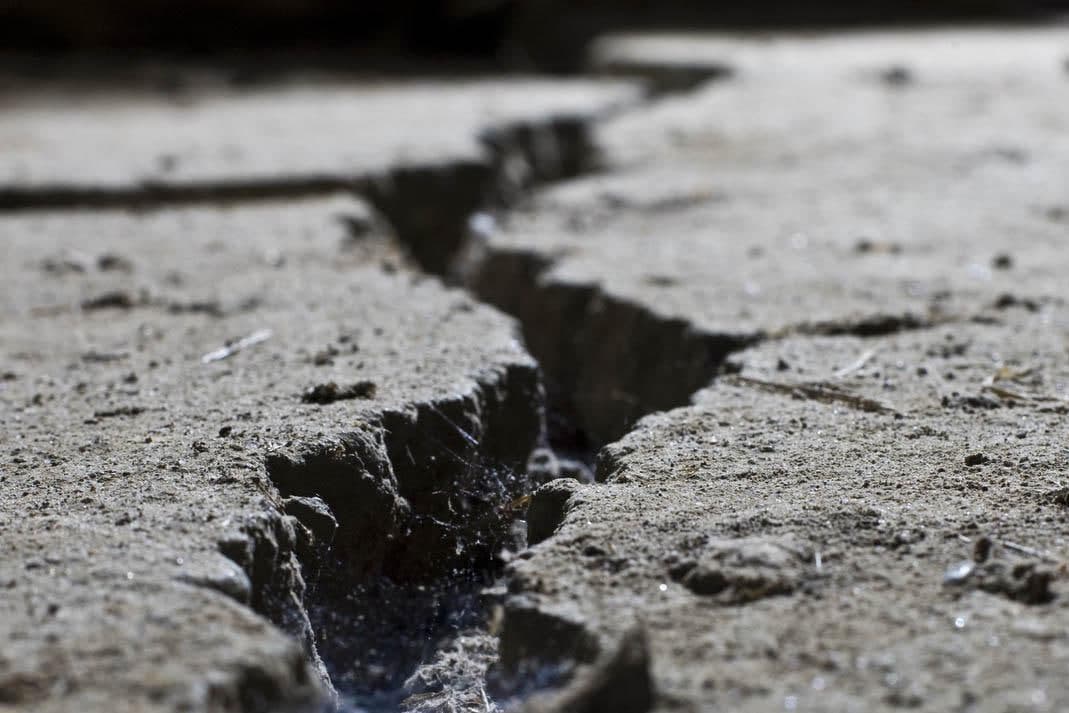
According to the UN, earthquakes accounted for more than half of all deaths caused by natural disasters between 2000 and 2023.
One of the world's greatest areas of concern is Istanbul, a city of more than 15 million people located near the North Anatolian Fault, one of the planet's most active fault systems.
A 2025 study found that the section of the fault beneath the Sea of Marmara could generate an earthquake of around magnitude 7. Researchers estimate the probability of such an event affecting the Istanbul region over the coming decades at 40–60%.
Central Asia remains highly exposed to seismic hazards
The UN stressed that seismic risk extends well beyond Turkey.
Almost the entire territories of Kyrgyzstan and Tajikistan, along with parts of Kazakhstan, Turkmenistan, and Uzbekistan, as well as countries in the South Caucasus, are located in zones of very high seismic risk.
The Fergana Valley is considered particularly vulnerable. Around 11 million people live in the densely populated area where the borders of Kyrgyzstan, Tajikistan, and Uzbekistan converge.
The devastating earthquakes that struck Turkey and Syria in 2023 highlighted the critical importance of keeping hospitals operational during emergencies. If medical facilities become inoperable in the immediate aftermath of a major earthquake, thousands of injured people may be left without life-saving care, the UN noted.
Prevention costs far less than recovery
According to experts from the World Health Organization (WHO), investing in earthquake preparedness is significantly less expensive than dealing with the consequences of a disaster.
UN estimates show that constructing a new hospital to meet seismic resilience standards increases the overall project cost by no more than 4%. Retrofitting existing buildings requires investment of only about 1% of their value while substantially improving their ability to remain operational after a major earthquake.
In addition to strengthening healthcare infrastructure, the UN recommends maintaining emergency medical teams in a constant state of readiness, conducting regular emergency drills, expanding international cooperation, and giving special attention to protecting vulnerable groups, including older people and persons with disabilities.