Hidden passages and robust design: Unveiling Tashkent Metro’s secrets and safety as a potential shelter
|01:33 / 22.04.202514,55615 min
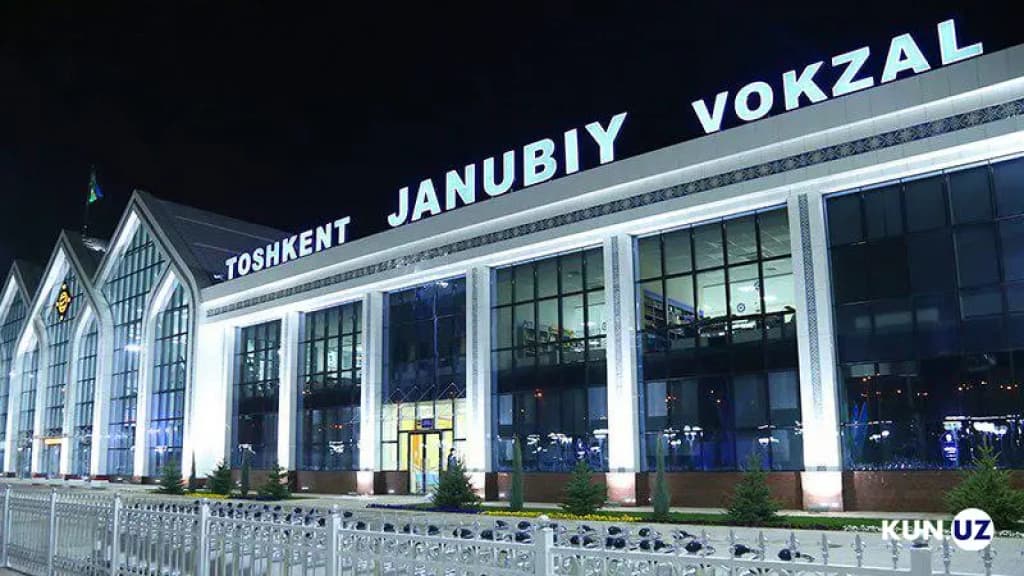
Did you know that the Tashkent Metro, bustling with crowds during the day, comes alive at night as well? Have you ever heard whispers of secret pathways hidden within its tunnels? Perhaps you’ve wondered if there are concealed doors or mysterious corridors at its stations. How close are these speculations to reality? The Kun.uz team spent 24 hours observing the metro’s operations, uncovering many of its lesser-known facets.
On November 6, 1977, the first metro system in Central Asia – the Tashkent Metro – opened its doors to passengers. Now, 47 years later, it remains a vital transportation lifeline in the capital, helping alleviate the city’s traffic congestion.
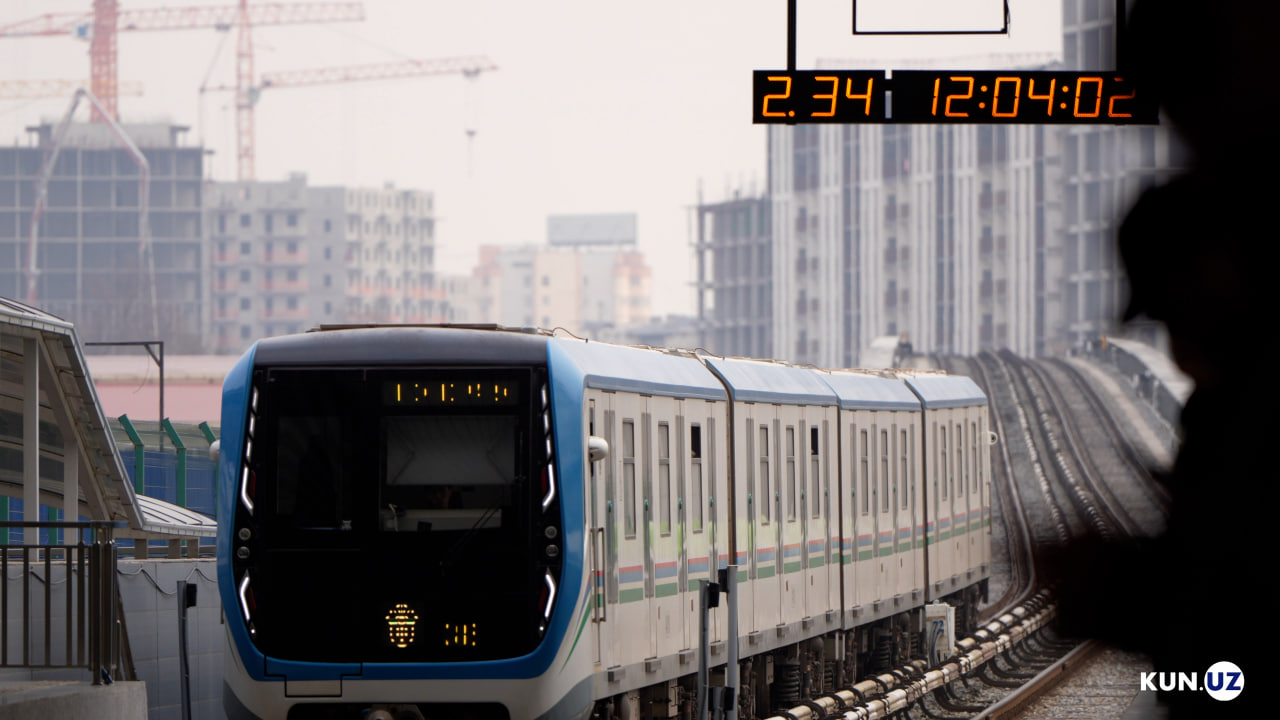
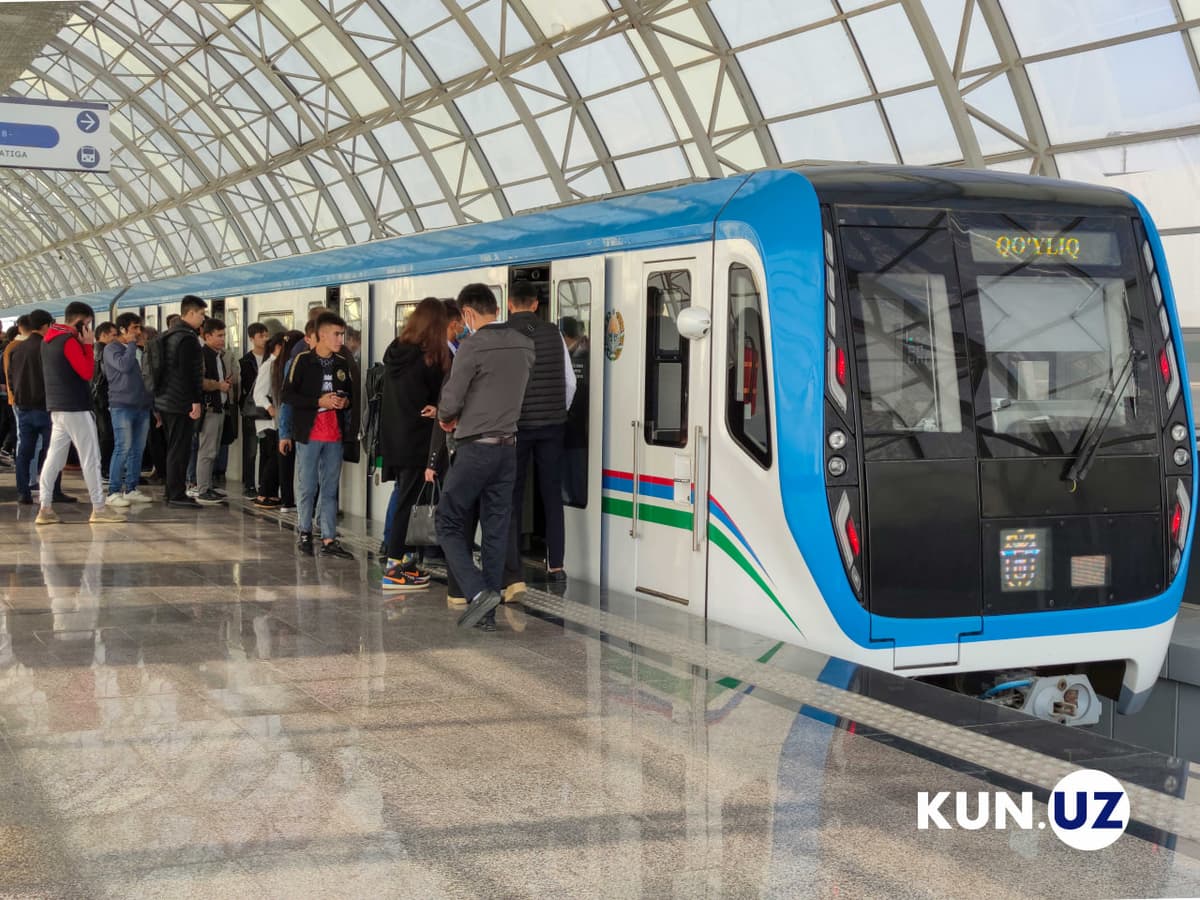
Initially, this underground transport system featured nine stations along the Chilanzar line. Over the years, the network expanded: the Uzbekistan line was launched in 1984, the Yunusabad line in 2001, and the above-ground Circle Line in 2020, bringing the total to four lines. Today, the Tashkent Metro spans 71 kilometers of tracks and 50 stations, connecting various parts of the city. For just 3,000 UZS, passengers can travel from one end of the city to the other faster than by taxi, saving both time and money.
The Tashkent Metro is one of the world’s most affordable metro systems. Yet, its stations rival the grandeur of the world’s largest metro in Shanghai, are safer than New York’s, cleaner than Paris’s, and quieter than Moscow’s. And its durability? It matches the earthquake resistance of metro systems in Tokyo and Istanbul. Built in a seismic zone, its underground and above-ground lines are designed with resilient structures and thick concrete layers. Although some stations are located several meters below ground, you’ll hardly notice dampness or stuffiness. In short, the capital’s metro is engineered for high durability and long-term use.
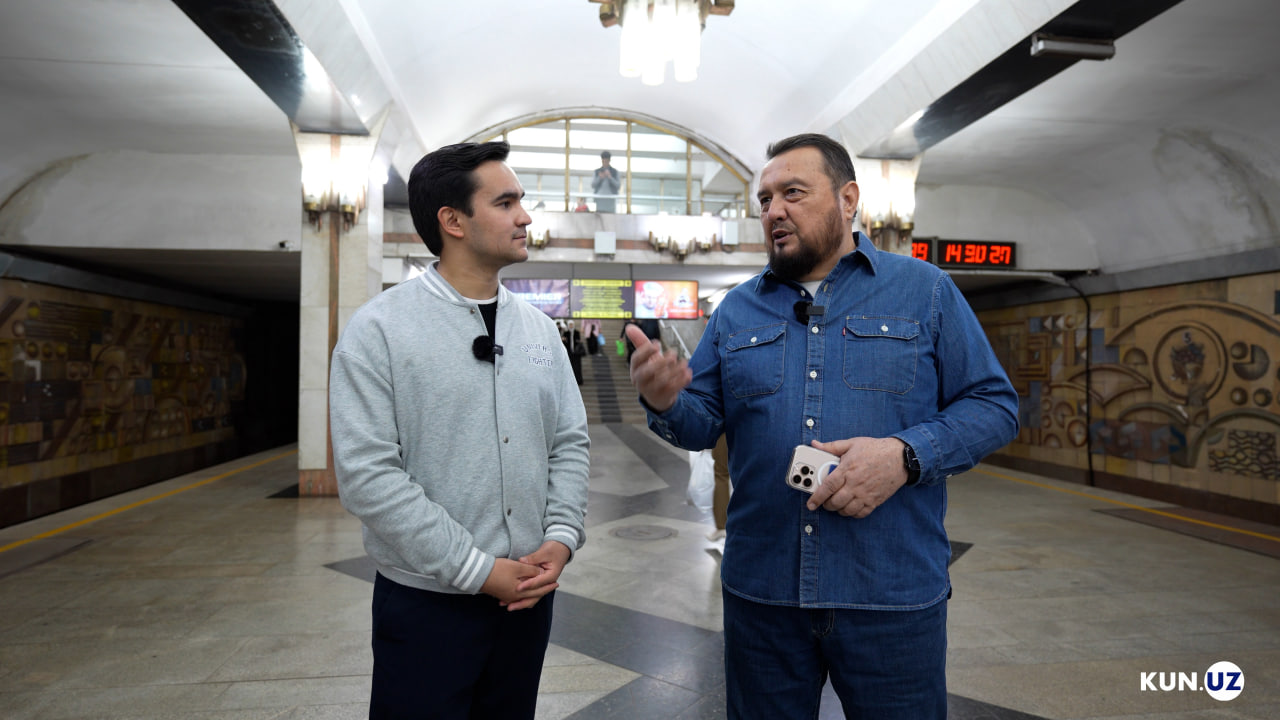
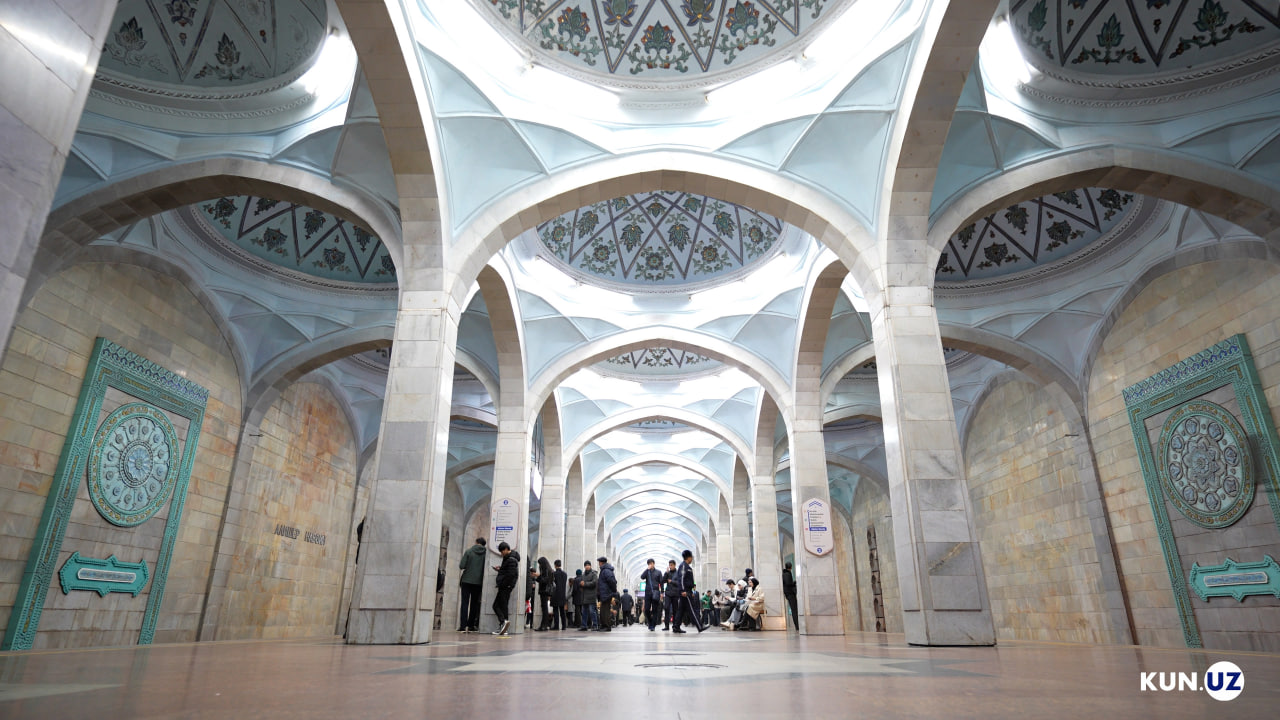
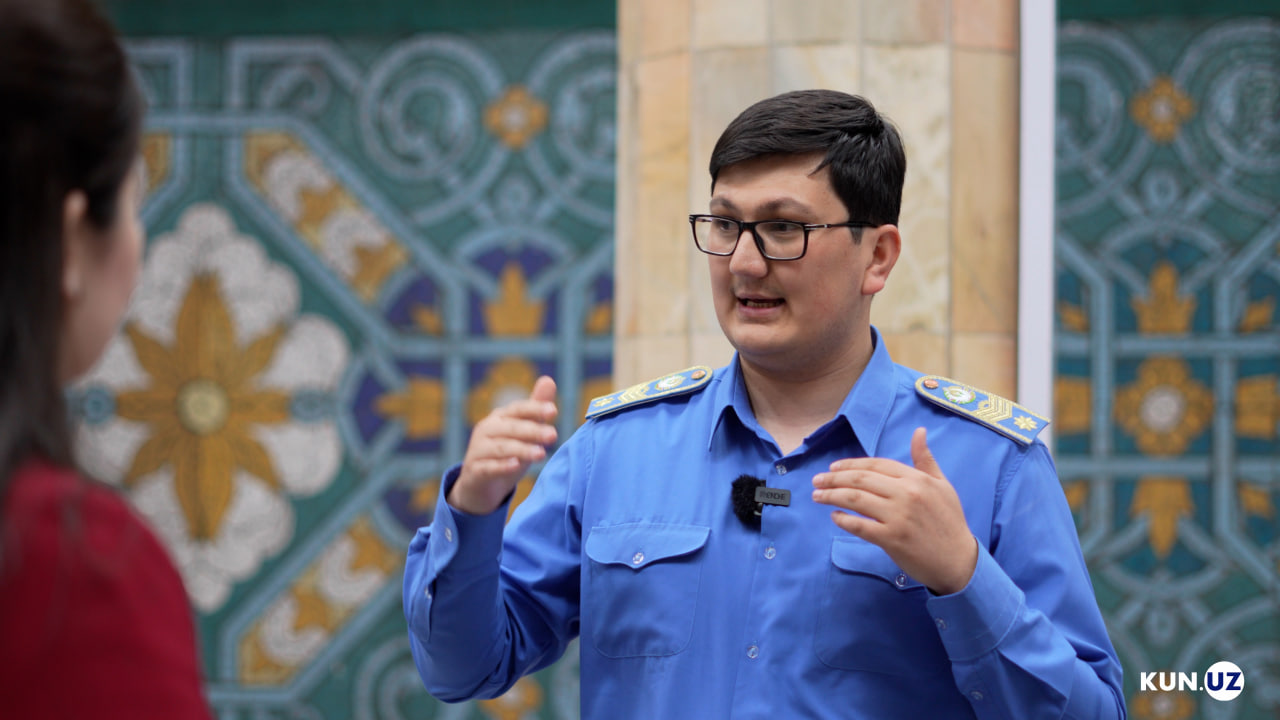
“Nearly half a century has passed, and the unique architecture of the earliest stations remains intact, preserving their original condition,” says Sobir Shermuhammad, an engineer-constructor who worked as a manager at Soyuzmetrospecstroy and ToshMetroQurilish trusts. “When we started, the metro was still a construction pit. It was designed using an open-cut method due to hydrogeological conditions, with stations built at shallow depths. About 99% of the construction materials were locally sourced, including highly durable natural stones. For example, Langar, Sevassa, and Labradorite granites were used for walkways. These stones have the highest friction coefficient, allowing them to retain quality for 150–200 years despite heavy foot traffic. Nurata marbles adorn the columns, and station walls are decorated with ceramic tiles.
Related topics
During the Soviet era, Uzbekistan pioneered the use of reinforced concrete structures in metro construction – a first globally. This experience later became a model for metro systems in other countries.”
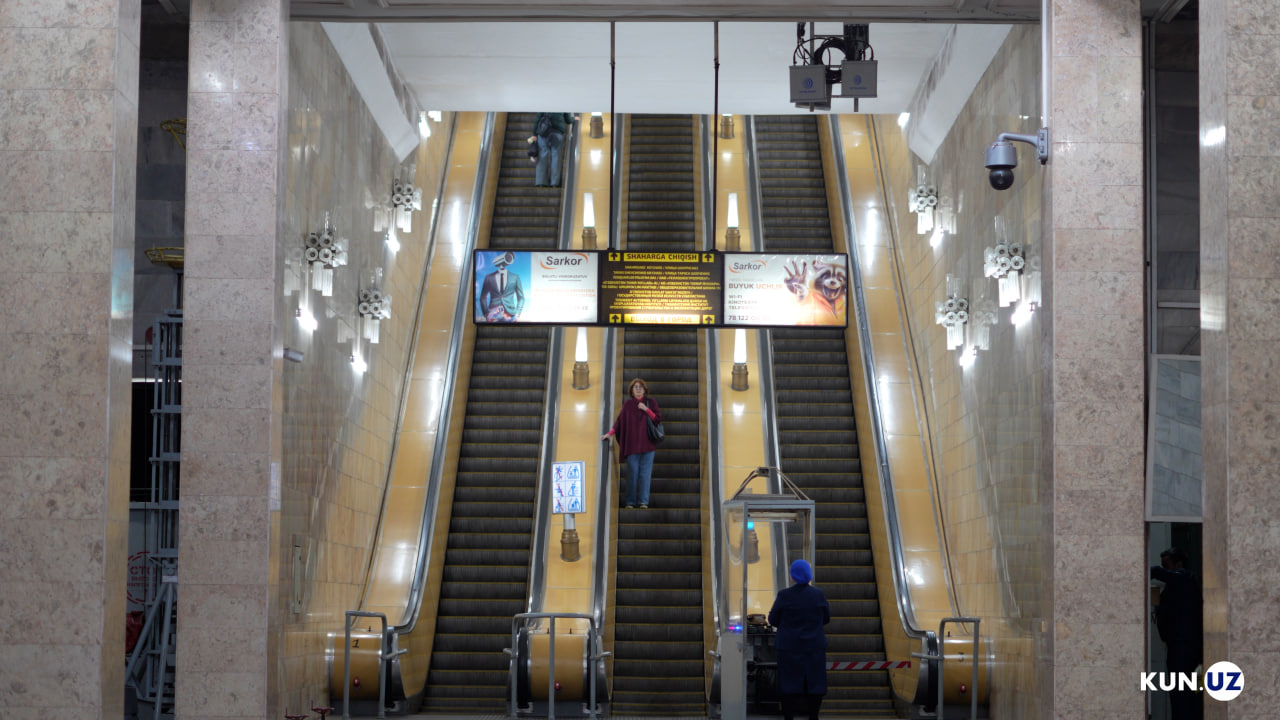
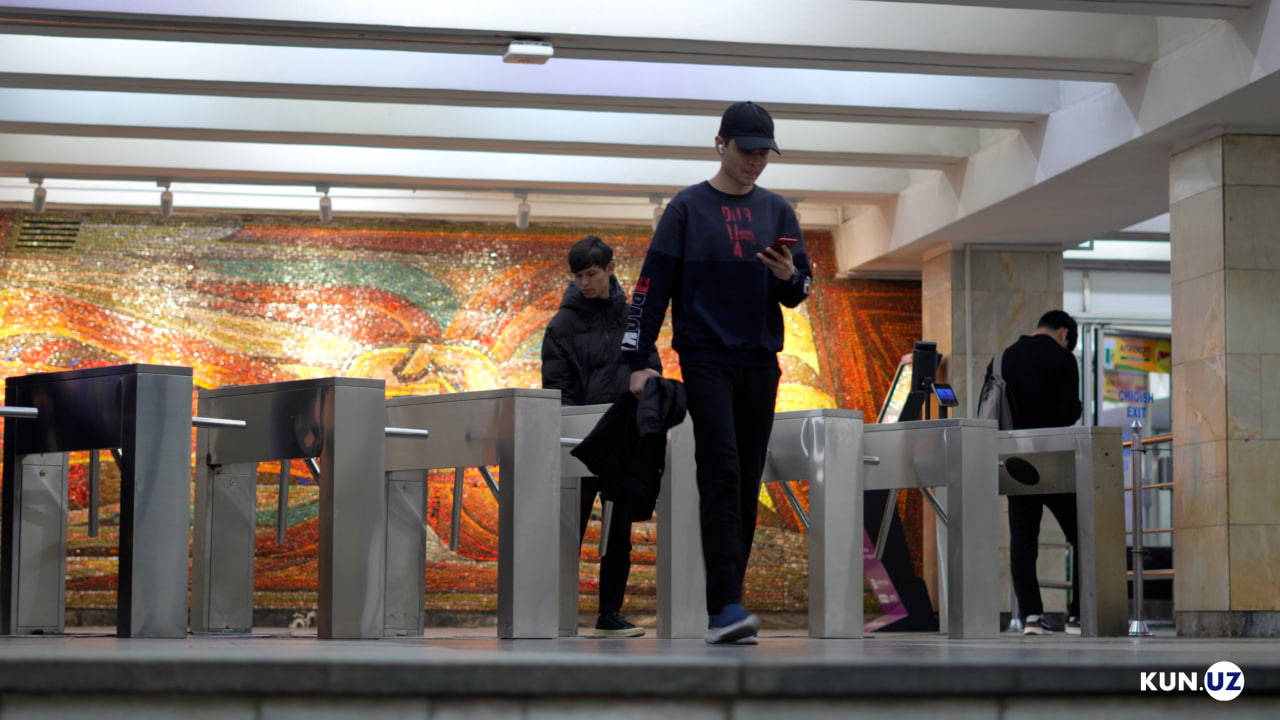
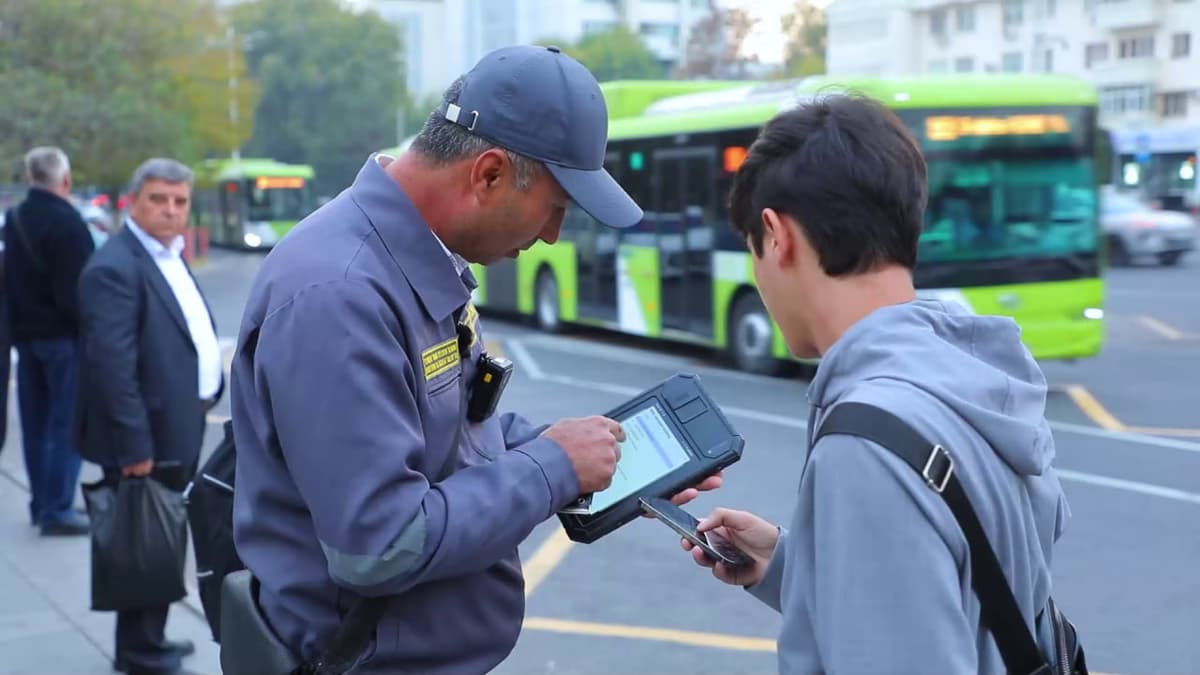
The Tashkent Metro, which swiftly and conveniently transports passengers to their destinations, stands out not only for its durability but also for its safety. Upon entering a station, you’re greeted by an orderly environment and a technologically advanced security system: you pass through metal detectors, and security personnel inspect your bags. Surveillance cameras are installed at every station, ensuring constant monitoring of passenger safety. Even escalators have dedicated staff overseeing their operation.
“Parents using escalators sometimes let young children roam freely without holding their hands, leading to falls due to carelessness,” says escalator supervisor Mahbuba Turdialieva. “Occasionally, elderly passengers feel dizzy or faint. There are also cases where clothing gets caught in escalator steps. In such moments, we stop the escalator to ensure safety and provide first aid. To raise awareness, we display warning signs. When no passengers are present, we turn off the escalators, activating them only when people approach, which helps conserve electricity.”
According to reports, outdated escalators at underground stations are currently being replaced with modern ones. New escalators have been installed at the Xalqlar Do‘stligi and Novza stations, with ongoing work at Paxtakor, Mustaqillik Maydoni, and Hamid Olimjon stations.
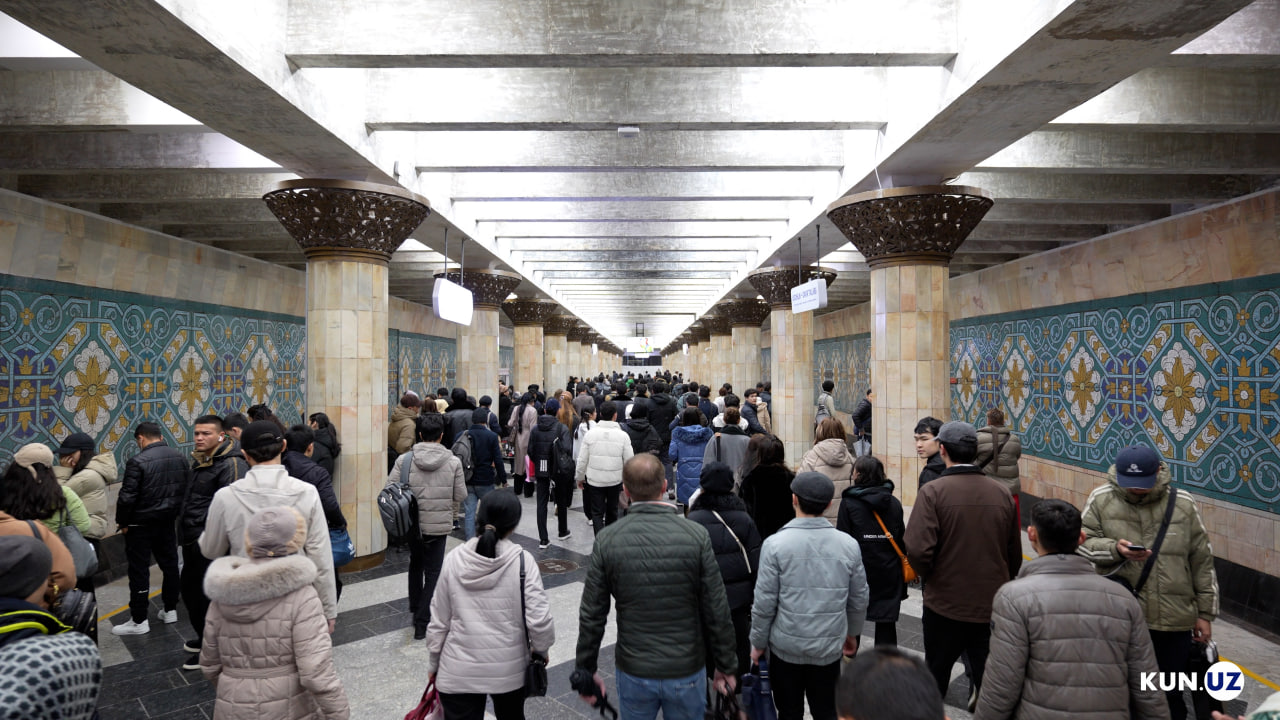
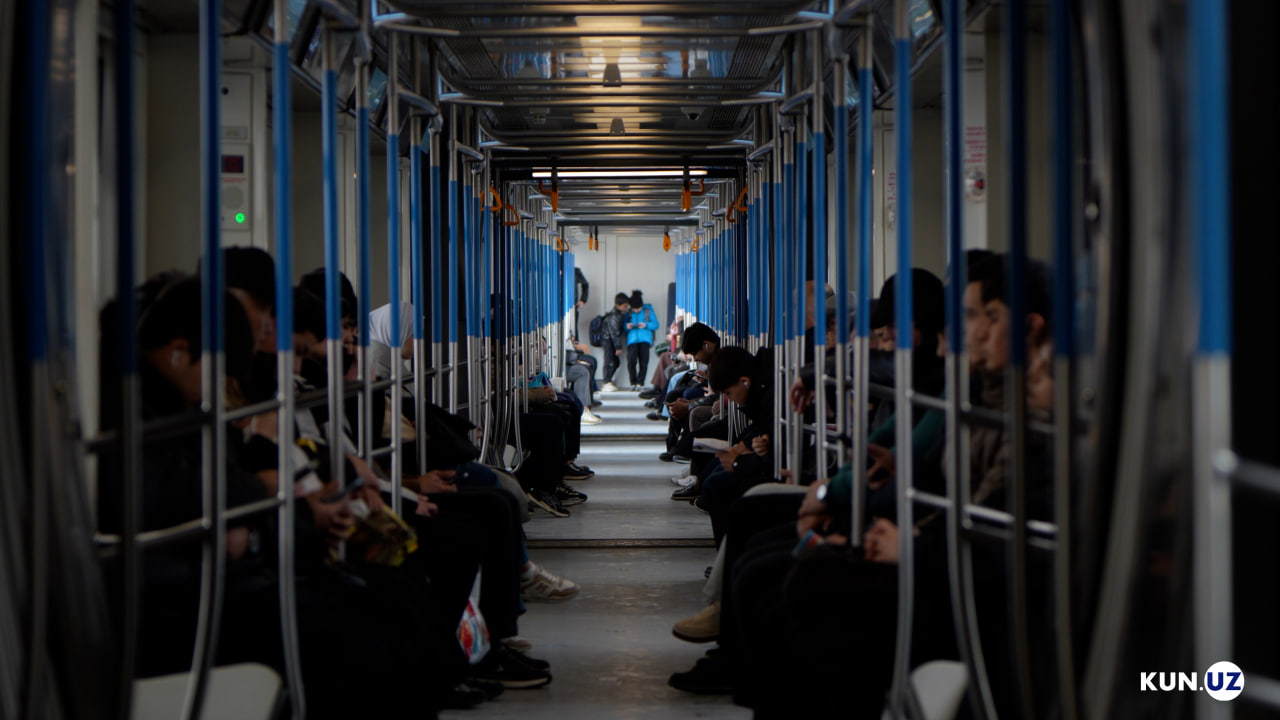
To date, over one million passengers choose the Tashkent Metro daily as their preferred mode of transport, with its daily passenger volume exceeding one million. Imagine this: from 5:00 AM to midnight – 17 hours a day – 2.7% of Uzbekistan’s population moves through its stations.
Due to the increased passenger flow, plans are underway to reopen the second entrances of five stations (Milliy Bog, Yunus Rajabiy, Gafur Gulom, Uzbekistan, and Mashinasozlar) that were previously closed, as well as to build mother-and-child rooms and restrooms at nine stations.
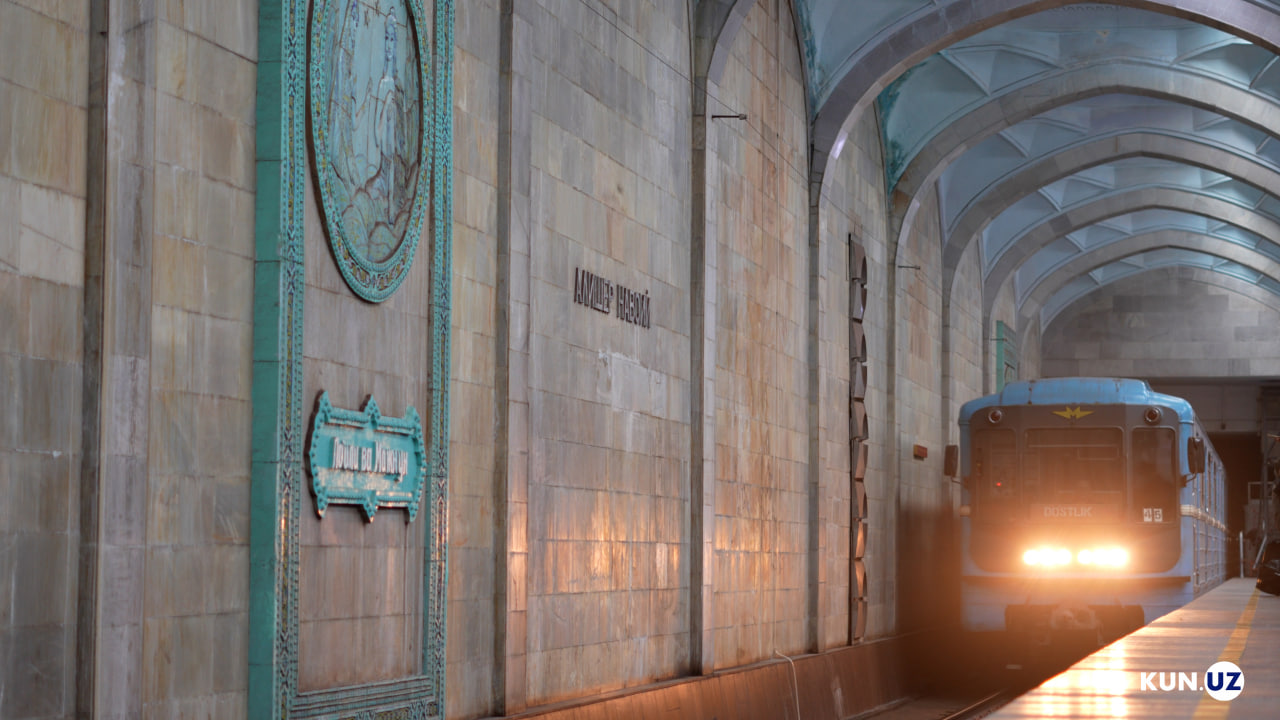
The Tashkent Metro blends modernity with echoes of the past. The Tinchlik station captivates with its unique chandeliers, while Pakhtakor, two stations earlier, is renowned for its intricate plasterwork and mosaics. Nostalgic atmospheres can also be felt at Alisher Navoiy, Kosmonavtlar, Beruniy, Chilanzar, and Bodomzor stations.
The busiest stations – Alisher Navoiy, Pakhtakor, Amir Temur Xiyoboni, and Chilanzar – can feel like India’s chaotic crowds during rush hours. Meanwhile, stations like Turkiston, Milliy Bog, Mirzo Ulugbek, and Tinchlik have relatively fewer passengers. Despite their central locations, you’ll rarely encounter overwhelming crowds there.
Overall, aside from occasional overcrowding, minor disorder, or unpleasant odors, traveling on the metro is generally comfortable. Payment methods are convenient: you no longer need to queue at ticket counters, as personal plastic or transport cards allow seamless transactions. If you forget your wallet, mobile apps, face-ID, or palm-ID offer alternative payment options.
When rushing to work in the morning or waiting for a train exhausted in the evening, time becomes critical. A packed train that forces you to wait for the next one can be frustrating. To address this, over the past three years, train intervals have been shortened compared to before:
Chilanzar line: reduced by 1.5 minutes
Uzbekistan line: reduced by 3 minutes
Yunusabad line: reduced by 4 minutes
Ring Road line: reduced by 9 minutes
However, delays still occur occasionally. Metro press secretary Tuychi Mirzaev explains the factors behind such delays:
“Sometimes passengers leave items behind in trains, and we often don’t know what’s inside. In such cases, passengers are disembarked at the nearest station, and the train is moved to a reserve track. For safety, it’s taken to a secluded area where the forgotten bag or item is inspected and documented before being sent to the lost-and-found. These situations can cause delays. Intervals between trains also depend on passenger volume at stations – the more passengers, the shorter the interval.”
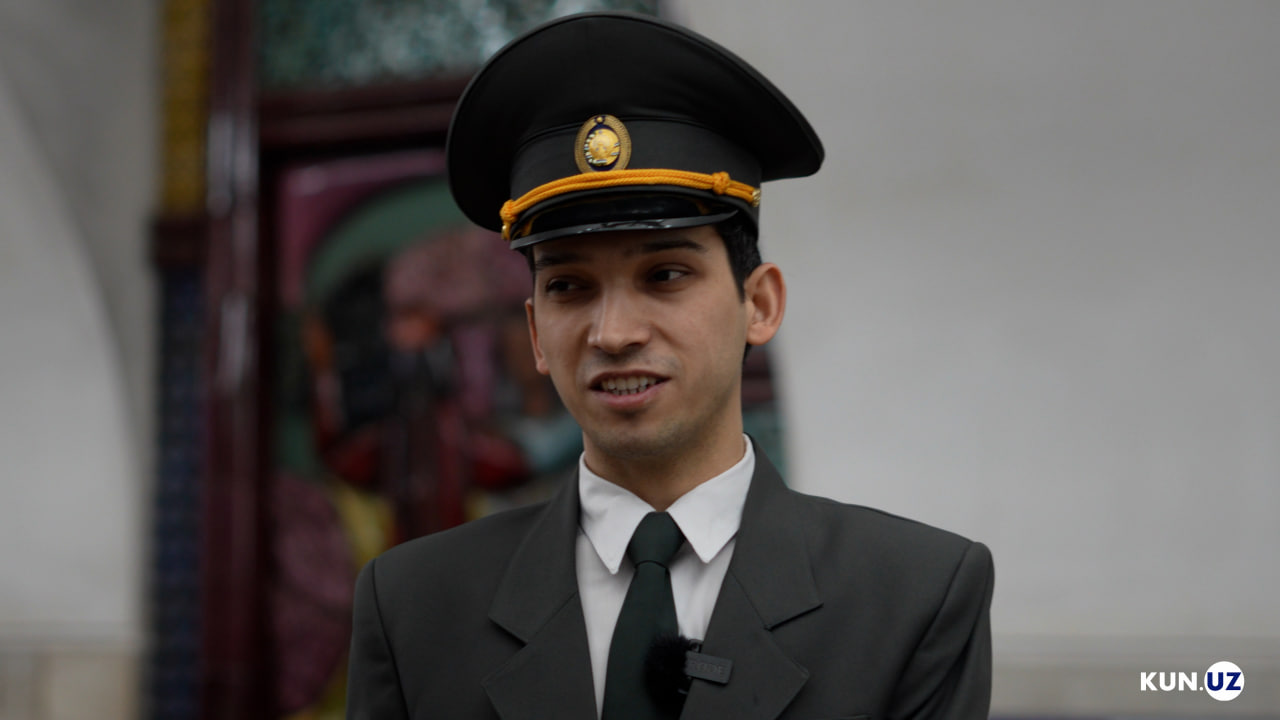
One of the metro’s greatest advantages is that it never gets stuck in traffic. Rain or snow, it operates on schedule. Especially during busy morning hours, it’s the ideal choice for those who can’t afford to lose time. Managing this punctual underground and above-ground transport system undoubtedly requires immense responsibility. A train driver, who has even operated a carriage carrying the president, shares that the job is filled with unusual incidents and demands intense focus:
“Driving a train underground is easier for me than navigating Tashkent’s streets, as there’s no traffic. However, staying focused is crucial, as we’re responsible for ensuring the train moves at the designated speed between stations and guaranteeing passenger safety.
Sometimes passengers fall ill or faint inside the carriage. In such cases, we stop at the nearest station and provide first aid. Through the communication systems in the carriages, we receive humorous requests – like someone shouting, ‘Hurry up, my wife is waiting at home!’ or another asking for an apartment to live in. These only distract the driver and waste time,” says the train operator.
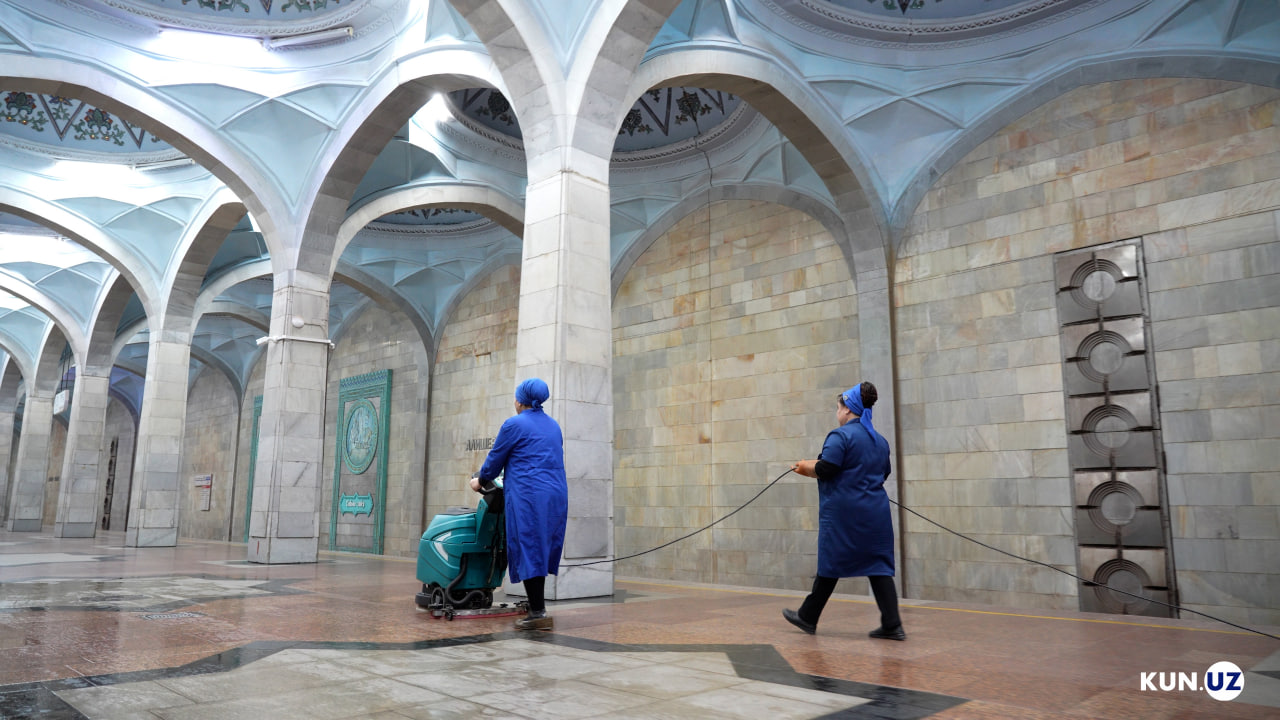
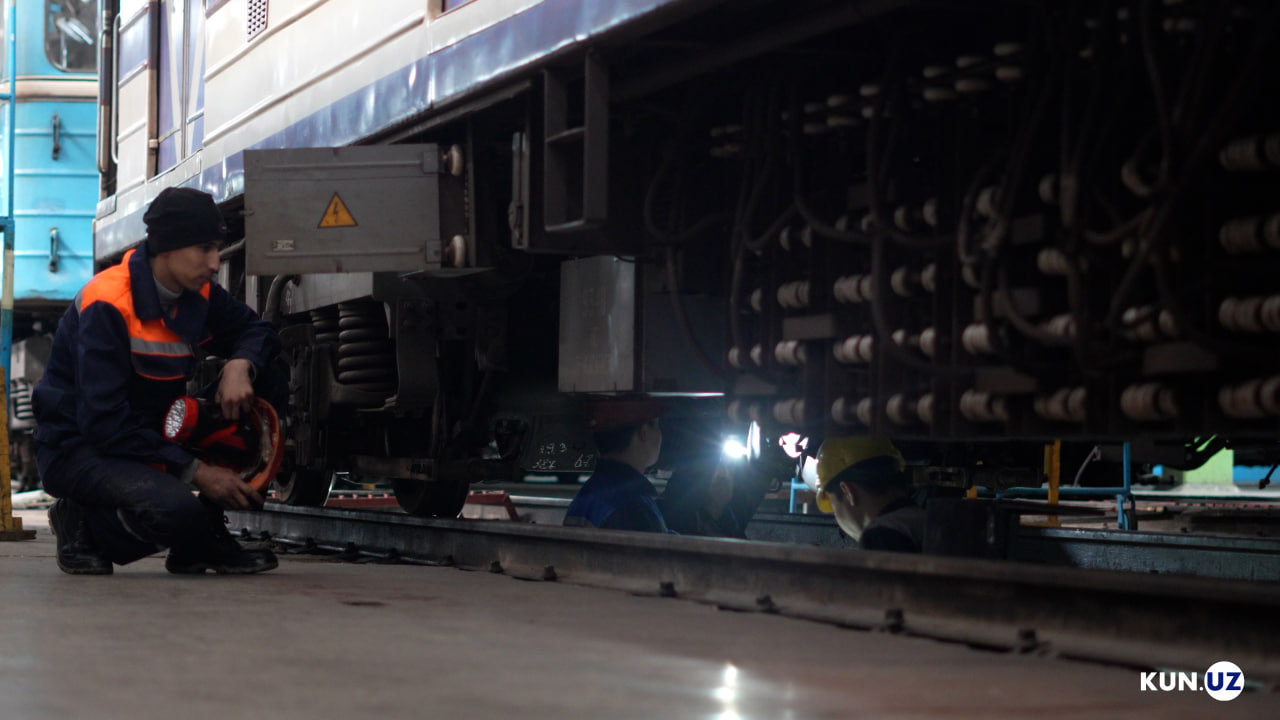
Tashkent Metro stations are consistently clean, and trains run with clockwork precision. But this order doesn’t happen by itself. Behind the metro’s seamless and disciplined service are the efforts of nearly 6,000 workers. Among them, those at the depot – the metro’s heart – handle the most hazardous tasks. The depot is where trains rest and are prepared for the morning, undergoing repairs and inspections before service.
“During operation, train wheels may skid, or bolts may loosen,” says depot worker Marhabo Berdieva. “Throughout the day, we check the parameters of train components, conducting mechanical and electrical measurements to identify issues with wheel pairs. If a problem is detected, it’s fixed immediately, as mechanical parts are critical to safe train operation.”
Another depot worker notes that items like earphones or women’s heels often get stuck, causing carriage doors to malfunction. Every 12 days, carriages are inspected, with doors, windows, handrails, and loose bolts thoroughly checked and tightened.
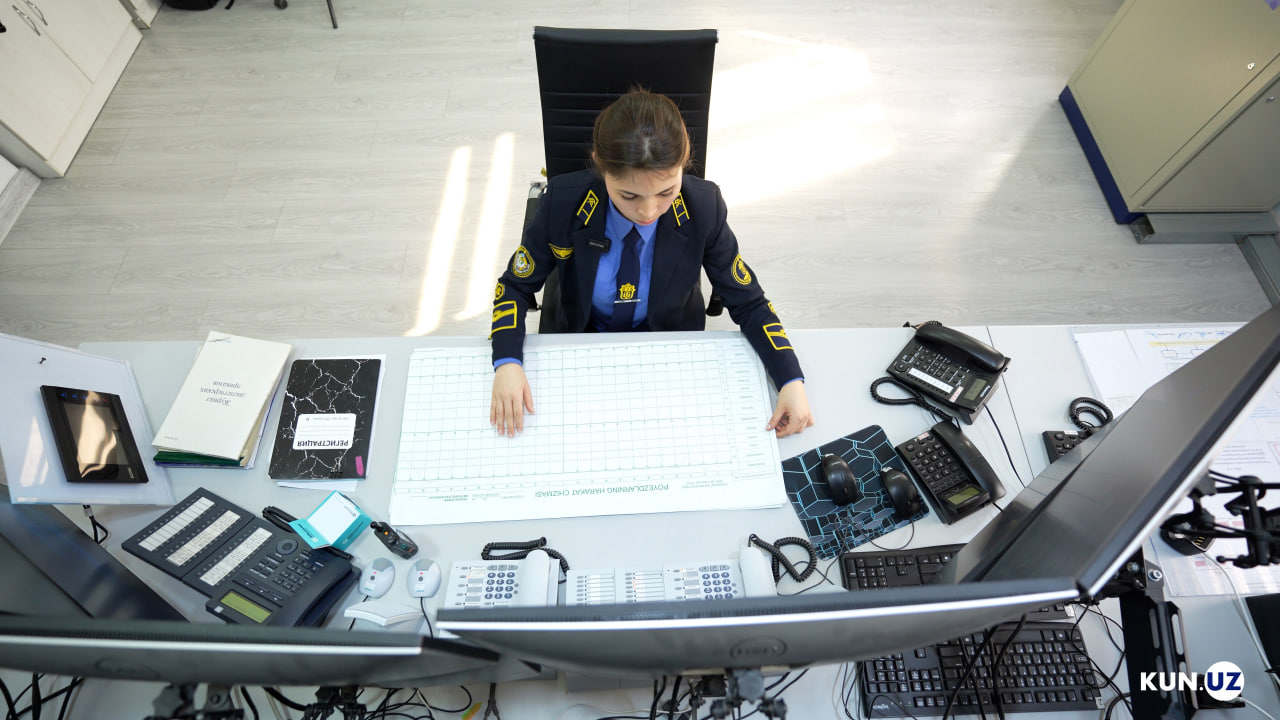
A lesser-known part of the metro is the dispatch center, which could be called its “brain.” Here, the exact location of each train is tracked using monitors and GPS systems. Train schedules, stops, and departures at each station are closely monitored. In emergencies or technical issues, the dispatch center halts train operations, evacuates passengers to safe areas, and coordinates emergency assistance.
Many know that during the Soviet era, the Tashkent Metro was designed not only as a transport system but also as a potential shelter in emergencies. Is it truly capable of withstanding such scenarios? Are there really hidden passageways at the stations? A metro official clarifies that there are no mysterious corridors behind door-like structures at the stations.
“Metro tunnels house various cables and wires, routed behind walls to preserve station aesthetics. The doors on platform walls lead to technical service areas for cables, not secret passages or hidden tunnels. The Tashkent Metro’s infrastructure, especially its underground stations, is built with robust structures and high protection levels, designed to shield against natural disasters like earthquakes or fires. Thus, the metro can serve as a shelter in emergencies,” says the metro press secretary.
According to engineer-constructor Sobir Shermuhammad, the Tashkent Metro is a unique civil defense facility.
“Its robust structural elements can withstand a 9-magnitude earthquake. This is evidenced by the fact that, even after decades, the stations haven’t required major repairs – no natural wear or degradation. Additionally, the metro has sturdy gates that, in emergencies, can seal stations hermetically, protecting against shockwaves or radiation,” he says.
You can watch the full program on the Kun.uz YouTube channel.