The party’s protest centers on the residency-based licensing requirement introduced in a decision issued by the Cabinet of Ministers on April 2, which only came to the public’s attention two months later.
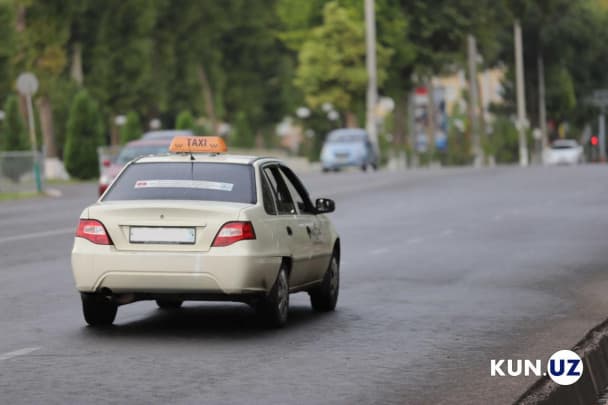
According to the new regulation, taxi licenses are now issued based on the region code on a vehicle's license plate, meaning a vehicle can only be used for taxi services within its registered region and adjacent areas. Drivers who obtained a license under the previous system may continue operating until their current one-year license expires.
In its statement, the PDP argues that the new restriction violates Article 67 of Uzbekistan’s Constitution, which guarantees the unity of the economic space and the free movement of goods, services, labor resources, and financial assets across the country.
“The imposed restrictions on informal taxi operations will give rise to various illegal activities, hinder individuals from engaging in free labor, and most importantly, infringe on citizens’ constitutional rights,” the statement reads.
The party also invokes Article 42 of the Constitution, which affirms every citizen's right to decent work, freedom to choose a profession and type of activity, and protection from unemployment as provided by law.
The PDP points out that citizens working as informal (unregistered-route) taxi drivers are considered self-employed and are exercising their legal right to protection against unemployment. These individuals operate legally by obtaining the necessary licenses and paying applicable taxes, the party notes.
“In light of the above, there is no legal basis for introducing restrictions on unregistered-route taxis. On the contrary, the constitutional violations are evident,” the statement concludes.