According to the company’s Q1 financial report, UzAuto Motors – Uzbekistan’s largest automobile manufacturer – recorded total revenue of 9.7 trillion UZS, down 17% compared to the same period in 2024 (11.7 trillion UZS).
Net profit dropped to 637 billion UZS, down twofold from the 1.3 trillion UZS posted in Q1 2024. Meanwhile, the company’s expenses rose from 1.052 trillion to 1.087 trillion UZS.
Domestic sales decline
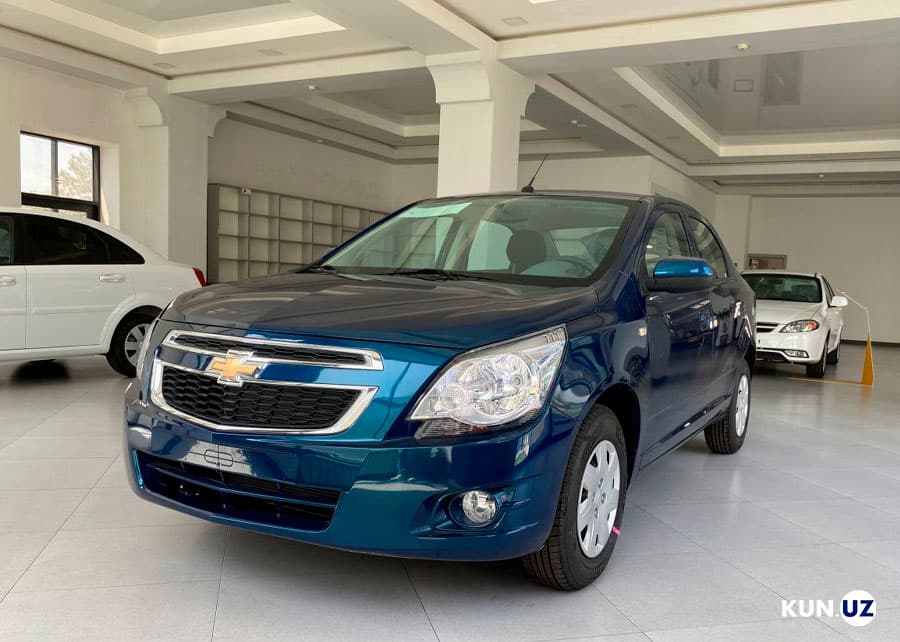
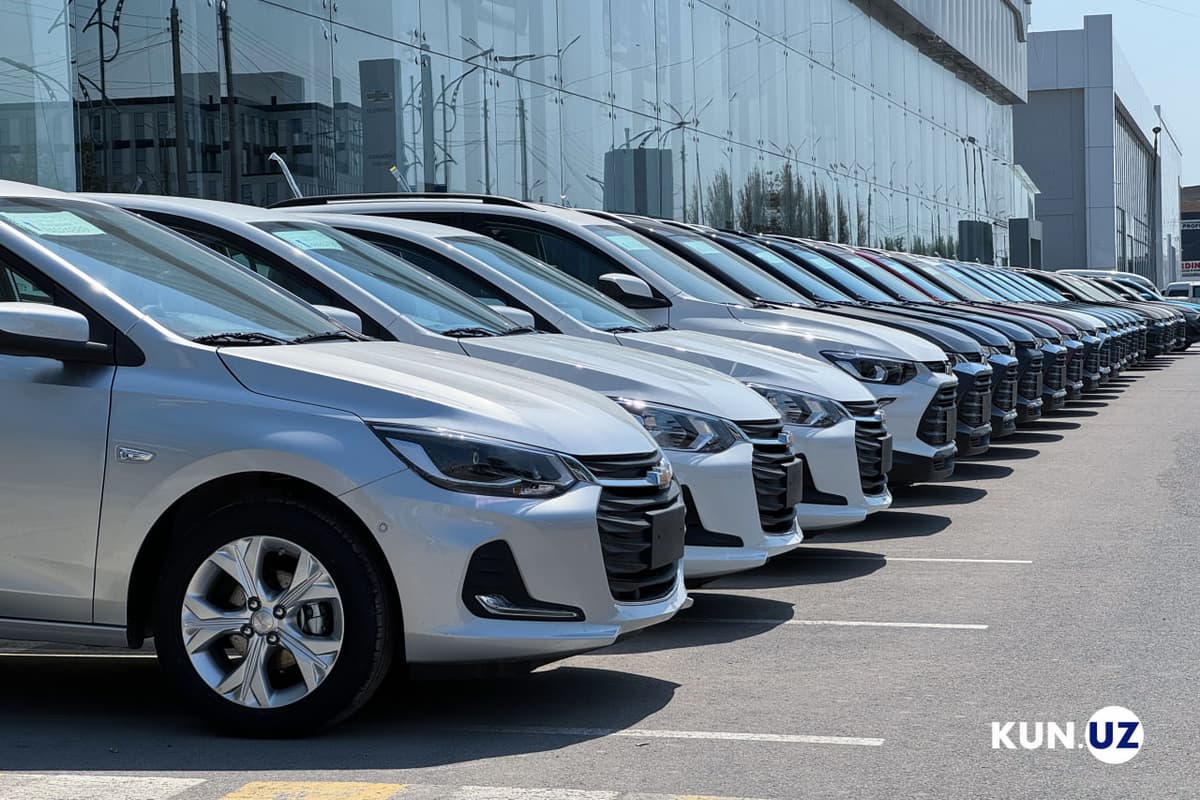
Between January and May 2025, the seven companies officially considered “manufacturers” in Uzbekistan sold a total of 135,922 vehicles. This is 22,552 fewer units than during the same period in 2024 (158,474 units). The decline was largely driven by a drop in Chevrolet sales, which fell from 142,891 units to 111,830 – a reduction of 31,061 units.
As a result, UzAuto Motors’ market share in Uzbekistan fell from 90.2% to 82.2%. Several factors may have contributed to the company’s drop in domestic sales.
First, although still limited, competition and consumer choice in the local market are beginning to expand. Comparing the first five months of 2024 and 2025, sales of Kia vehicles grew by 56%, BYD by 39%, Chery by 14%, and Haval nearly quadrupled. In other words, a customer planning to buy a Tracker now also considers options like the Kia Sonet.
Consumer shift toward hybrids and EVs
Second, rising methane prices, long fuel station queues in winter, volatile propane costs, and high gasoline prices have pushed some consumers toward hybrid and electric vehicles. Sales of modern EVs such as the BYD Song Plus Champion, BYD Chazor, and BYD Yuan Up are on the rise.
Market saturation and falling prices
Third, the domestic market appears to be nearing saturation. As a result, prices in the secondary car market have been falling for several months. People are no longer viewing cars as investment assets and are redirecting surplus funds into other sectors.
That said, UzAuto Motors does not appear to be facing production-related issues. In fact, with the exception of the Tracker model, all other models have shown production growth.