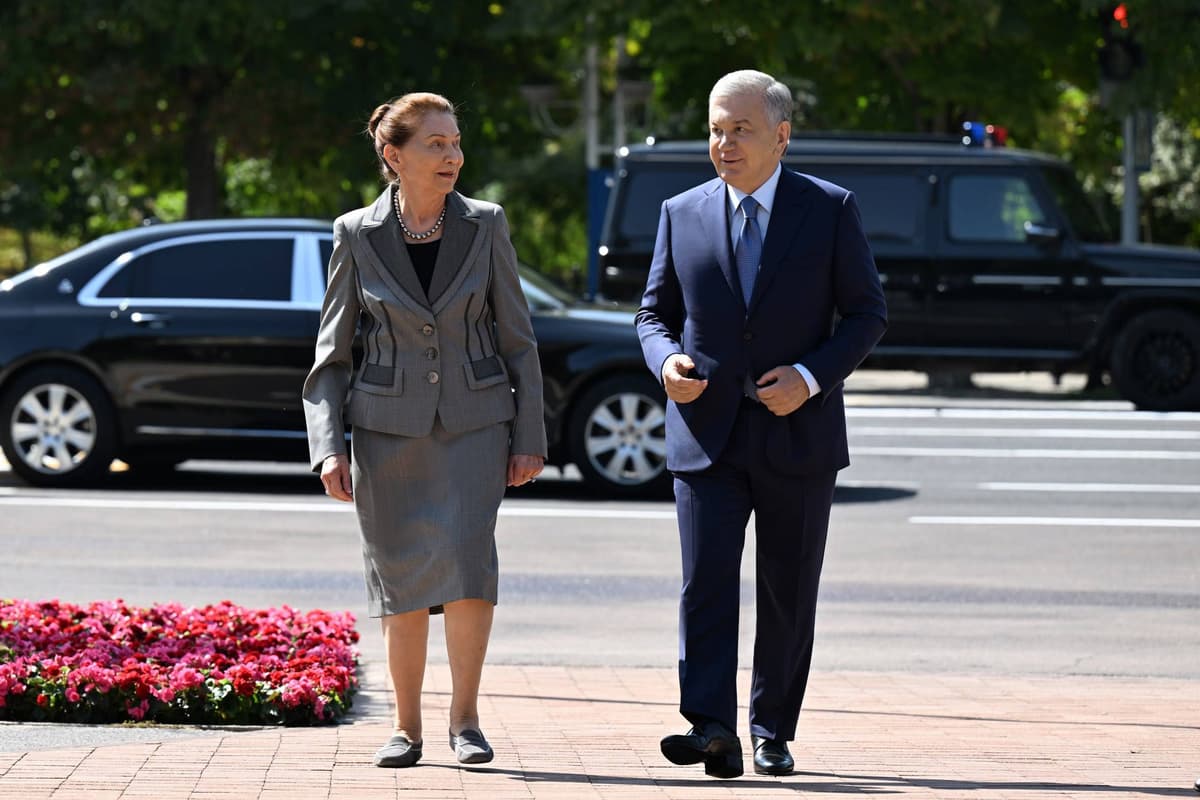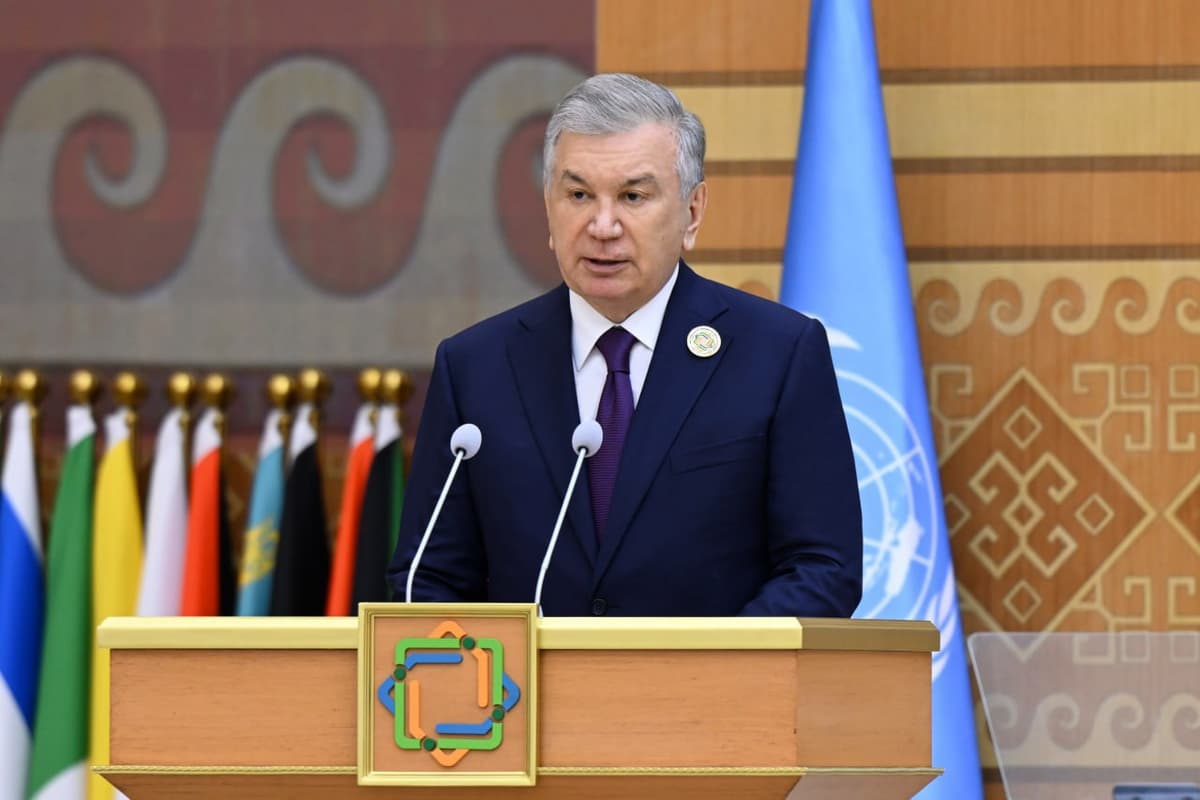
On August 5, President Shavkat Mirziyoyev participated in the Third United Nations Conference on Landlocked Developing Countries, held in the “Avaza” National Tourism Zone in Turkmenbashi, Turkmenistan.
The event, chaired by President Serdar Berdimuhamedov of Turkmenistan, was attended by UN Secretary-General António Guterres, President Kassym-Jomart Tokayev of Kazakhstan, President Emomali Rahmon of Tajikistan, as well as leaders of other states, governments, and international and regional organizations.
The agenda included critical issues such as strengthening transport connectivity, simplifying trade procedures, transforming economies, enhancing resilience to climate change and environmental threats, and achieving Sustainable Development Goals.
At the outset of his speech, President Mirziyoyev highly praised Turkmenistan’s efforts toward achieving Sustainable Development Goals, ensuring global and regional stability, and promoting prosperity.
He emphasized the vital importance of the issues discussed at the conference, noting that geographical distance from seaports and the need to transit through multiple countries create significant objective challenges.
These challenges include high tariffs, limited transport corridors and infrastructure, and dependence on the customs and transit policies of other countries.
According to World Bank data, Central Asia loses up to 2% of its GDP annually due to high transport costs and unstable transit systems.
Logistics costs account for up to 60% of the value of goods, several times higher than the global average.
In this context, developing reliable new transit corridors and logistics infrastructure is becoming a critical condition for sustainable development in Central Asia.
“Today, our shared agenda addresses a fundamental issue – a matter of justice,” said the Uzbek leader. “It is about ensuring equal opportunities for landlocked countries to participate in the global economy.”
To address this pressing issue, three key conditions must be met: modernizing infrastructure as a foundation for sustainable development, strengthening connectivity to prevent transit issues, and ensuring the right to development as a core element of global equality.
In recent years, Uzbekistan has taken systematic steps to develop a modern transport and logistics network, actively involving the private sector. Significant efforts have been made to digitize trade and transport processes.