





Additional features
-
Night mode

US dollar falls to two-year low against UZS
The US dollar has fallen to its lowest rate against the UZS in 24 months, dropping below UZS 12,200, according to the Central Bank of Uzbekistan. Since the beginning of the year, the national currency has strengthened by nearly 5.7 percent against the dollar. What factors are driving the UZS’s stabilization?
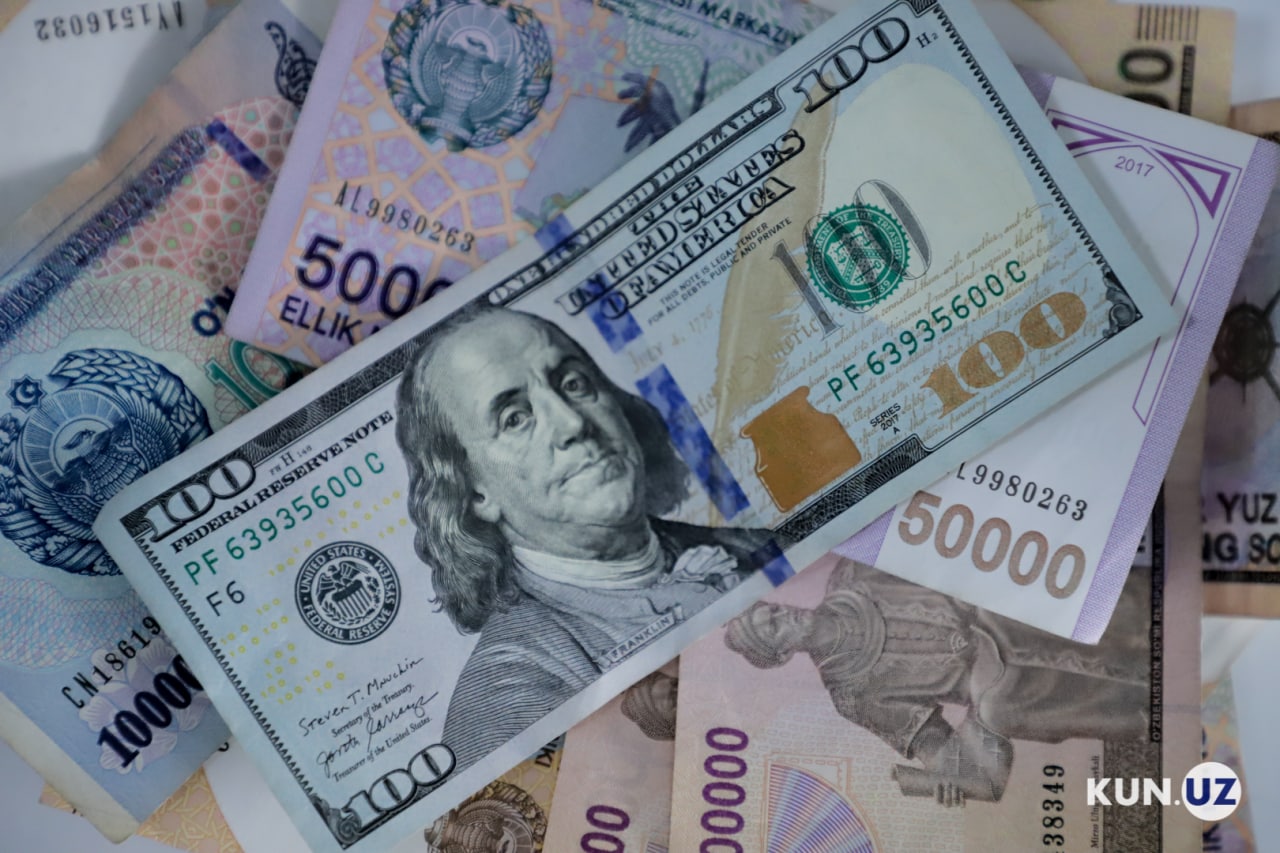
The Central Bank set new exchange rates from September 24, under which the US dollar lost another UZS 86 by the end of daily trading.
Overall, the dollar has declined for the second consecutive trading day, down UZS 179 – from UZS 12,349 to UZS 12,171. This is the lowest level recorded since September 2023.
Since the start of 2025, the UZS has gained about 5.7 percent against the dollar. By contrast, in January–September 2024, the UZS depreciated by 2.9 percent.
Why is the UZS strengthening against the dollar?
First, the dollar itself is weakening as a global currency. Over the past year, the dollar index has lost more than 10.3 percent of its value. The election of Donald Trump and the trade tariffs introduced by his administration have heightened global economic uncertainty. As a result, investor expectations for the US economy have worsened, weighing on both stock and currency markets.
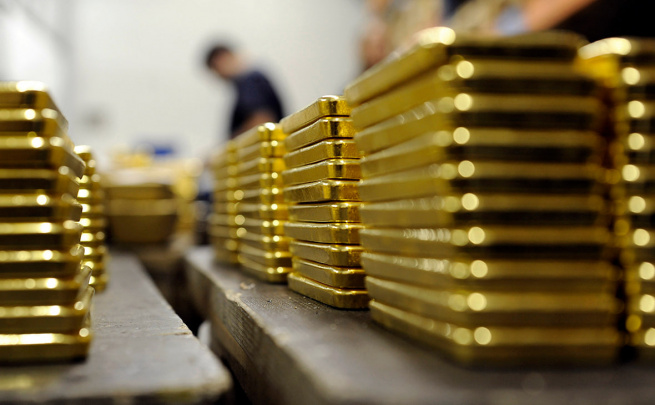
Second, Uzbekistan’s economic performance is supporting the UZS. Gold prices have surged amid global uncertainty, rising nearly 44 percent since the beginning of the year. As one of the world’s largest gold exporters, Uzbekistan has benefited significantly, selling 18 tons of refined gold in the first seven months of 2025.
Moreover, gold plays a dominant role in the structure of Uzbekistan’s international reserve assets. With prices soaring, the country’s reserves have increased by $8.9 billion compared to the beginning of the year. This gives the Central Bank greater capacity to intervene in the currency market.
Third, exports are rising and the trade deficit is narrowing. In the first eight months of 2025, exports reached $22.9 billion – up 31 percent from the same period last year. Gold exports alone increased 68 percent, exceeding $8.4 billion. Against this backdrop of strong growth, the trade deficit has narrowed to $5.4 billion, creating favorable conditions for the national currency.
In addition, the Russian ruble has strengthened by 17.8 percent since the beginning of the year, boosting remittance inflows to Uzbekistan. In the first half of 2025, remittances totaled $8.2 billion, up 27 percent year-on-year.
Mixed impact on the economy
The appreciation of the UZS carries both benefits and drawbacks for Uzbekistan’s economy.
On the positive side, imports become cheaper. A stronger national currency lowers the UZS-denominated cost of imported goods and services, helping to slow overall inflation. It also reduces the cost of servicing foreign debt, about 90 percent of which is denominated in foreign currencies – primarily in US dollars.
On the negative side, the competitiveness of Uzbek exports declines. A weaker UZS makes Uzbek products cheaper and more attractive to foreign buyers, since production costs are lower. A stronger UZS, in turn, undermines that price advantage.

Related News
11:15 / 08.07.2026
IMF reclassifies Uzbekistan's exchange rate as “floating”
18:10 / 30.06.2026
Uzbek soum among world's most resilient currencies as dollar strengthens globally
17:48 / 24.06.2026
Central bank reports sharp rise in foreign currency sales and purchases across Uzbekistan
20:01 / 08.06.2026