Experts warn rivalry narratives in Kazakh media harm regional integration
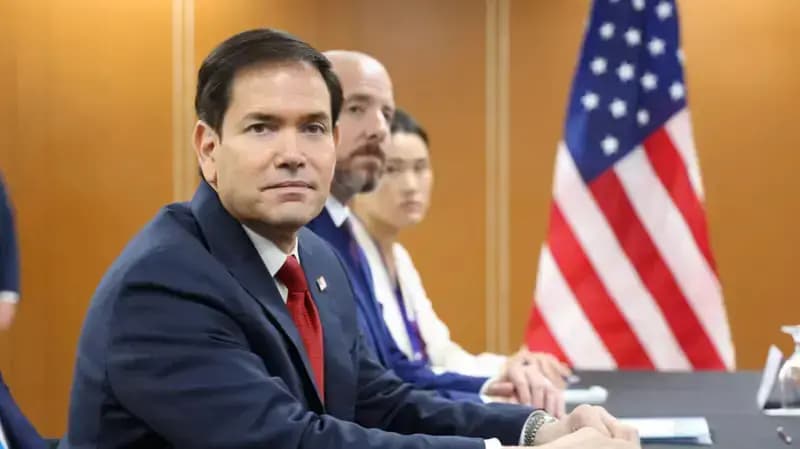
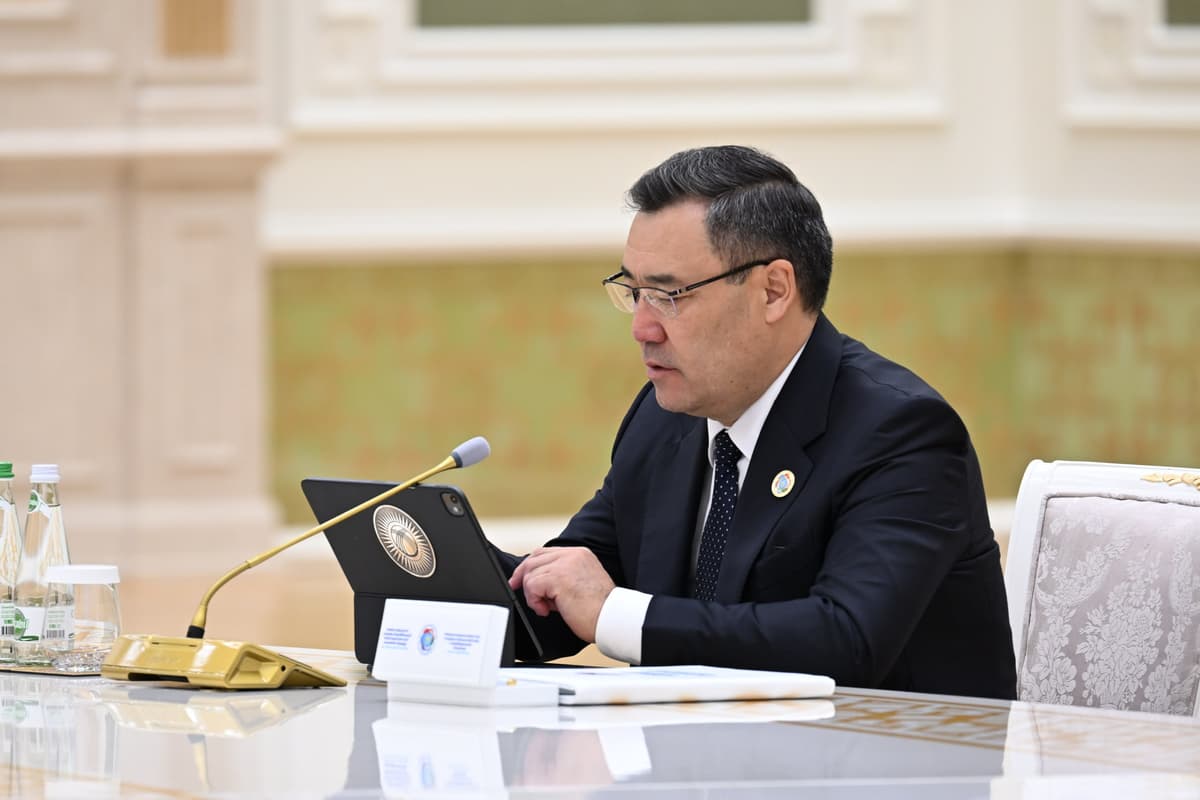
Kazakh media outlets have reported that Uzbekistan’s President met with the US President during the UN session, while Kazakhstan’s diplomacy failed to secure such a meeting – and that this was allegedly one of the reasons behind a series of dismissals in the government. The Kun.uz program “Geopolitics” discussed how such comparisons and a spirit of rivalry are not in the interests of either country.
Following the president’s trip to New York, Kazakhstan’s media actively debated the replacement of the Foreign Minister and other senior officials responsible for foreign policy.
Reports suggested these resignations were linked to the US visit, where Kazakhstan did not manage to arrange a meeting with the US President, unlike Uzbekistan.
Previously, similar comparisons were also observed in the context of Uzbekistan’s achievements in sports.
Political analysts on the Kun.uz weekly program “Geopolitics” said there is a growing impression that a sense of rivalry with Uzbekistan is becoming stronger among parts of Kazakhstan’s public. They argued that such sentiments are not a positive factor for the future of the region.
Kamoliddin Rabbimov, political scientist:
“In 1997, Zbigniew Brzezinski wrote his book ‘The Grand Chessboard,’ where he posed the question of who would be Central Asia’s leader, comparing Uzbekistan and Kazakhstan. Since then, I believe what I call the ‘Brzezinski syndrome’ has developed among experts and political elites worldwide. This has cast a significant shadow over cooperation between the two states.
“Sometimes one country’s diplomacy plays a stronger role, sometimes the other’s. But we still do not have well-developed regional diplomacy or coordination. Until 2016, this even led to divisions and confrontations within the region. There are also powerful external actors that do not want to see Central Asian integration.
“At the moment, such sentiments are also quite strong among Kazakhstan’s public, and this cannot be ignored. Among certain political circles, it has become common to compare themselves with Uzbekistan. This casts a shadow on integration and cooperation in the region, especially at a time when integration has not yet begun, but coordination has.”

Shuhrat Rasul, political commentator:
“When Uzbekistan raised the issue of building the China–Kyrgyzstan–Uzbekistan railway, many Kazakh experts – even prominent commentator Dosym Satpayev – reacted negatively, saying it went against their economic interests.
“In the recent case, too, I monitored Kazakh media and saw that they themselves brought up comparisons and competition. Yet in Uzbekistan’s media, no such narrative exists. Neither in print nor online did we see any claims of rivalry or triumph over Kazakhstan. But Kazakh outlets have carried many such commentaries.
“Uzbekistan and Kazakhstan have signed a number of strategic agreements, including one on eternal friendship. These two countries are the key integrators in Central Asia. Therefore, it would be better if some Kazakh media outlets lowered the temperature a little.
“At a time when major global players view us as a single region, competing over who is the ‘regional leader’ reflects an immature mindset. Kazakh activists need to understand that Uzbekistan is absolutely well-disposed toward Kazakhstan, and they too should show the same goodwill toward us.”
Kamoliddin Rabbimov:
“Such sentiments can be exploited by external powers. Since they are emerging internally, each society must reflect on its own mindset: why such attitudes exist and how much benefit they really bring.”
Anvar Yuldoshev, Doctor of Historical Sciences, Candidate of Political Sciences, professor:
“Among Central Asian states, our largest trade turnover is with Kazakhstan – $6.5 billion last year. This should continue to grow. But if such attitudes persist, it will not. That is why the media must help shape positive changes. Work must be done not only with Kazakhstan but also with Kyrgyzstan, Tajikistan and Turkmenistan to strengthen regional unity. We must move from cooperation to integration.”
Bektosh Berdiev, political commentator:
“We, universities, organize international conferences, and our scholars say the same things – that we need to unite. But these messages do not reach the wider public. Bringing them to the public is the responsibility of the media. That is why we should invite Kazakh political commentators and activists to our platforms and hold open discussions. If necessary, we should also participate in Kazakh media programs.
“Cooperation among well-known political commentators could open major opportunities for integration, because the public listens more to them than to professors.”
Related News
19:13 / 04.12.2025
EU prioritizes Trans-Caspian corridor in €12 billion Central Asia package
12:03 / 04.12.2025
Central Asian countries agree on water use and reservoir regimes for 2026
14:03 / 02.12.2025
Uzbekistan urges citizens not to violate Kazakhstan’s border regulations
12:16 / 29.11.2025