





Additional features
-
Night mode

Transport Ministry outlines new measures to reduce traffic congestion in Tashkent
The Ministry of Transport has provided a detailed response to a parliamentary inquiry regarding traffic congestion in Tashkent and the integration of public transport into a unified metropolitan system.
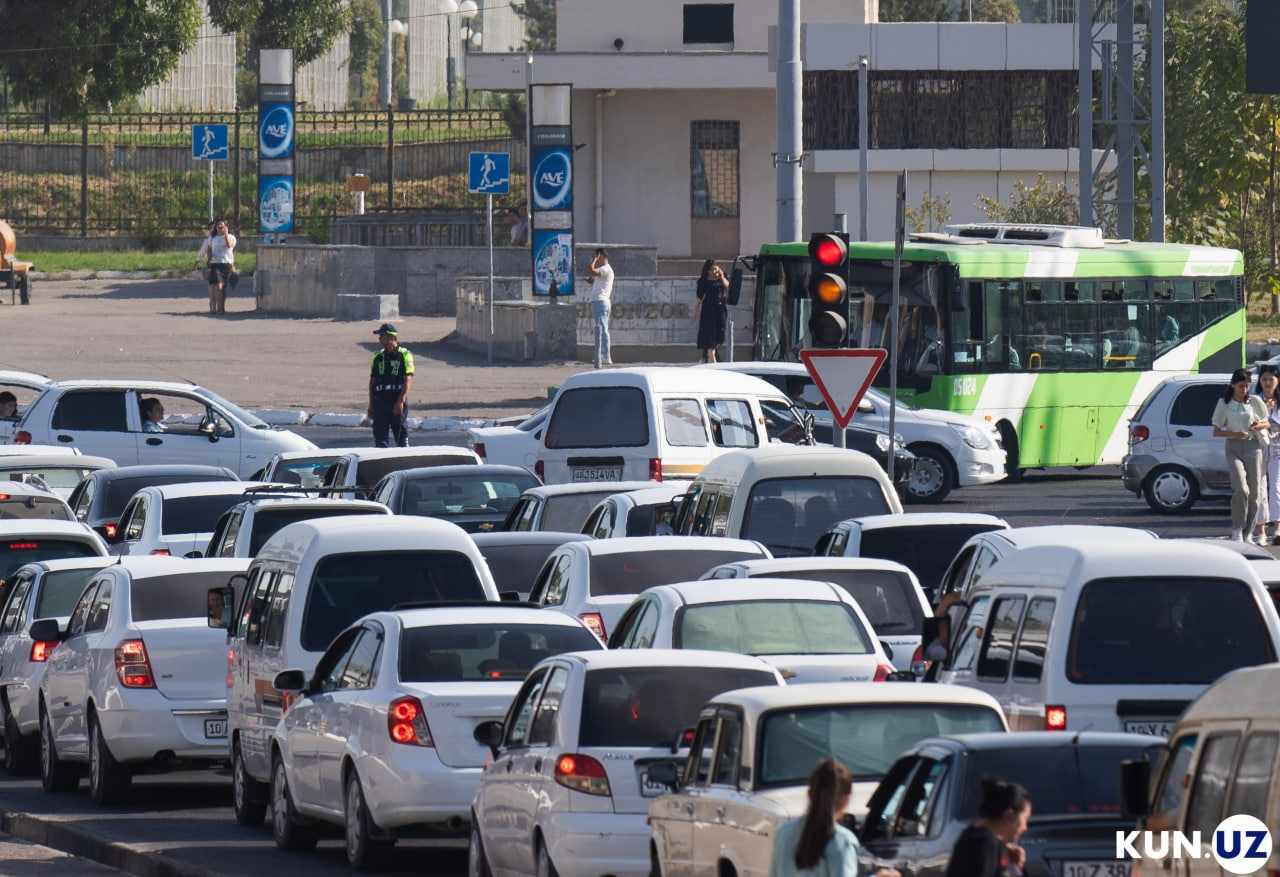
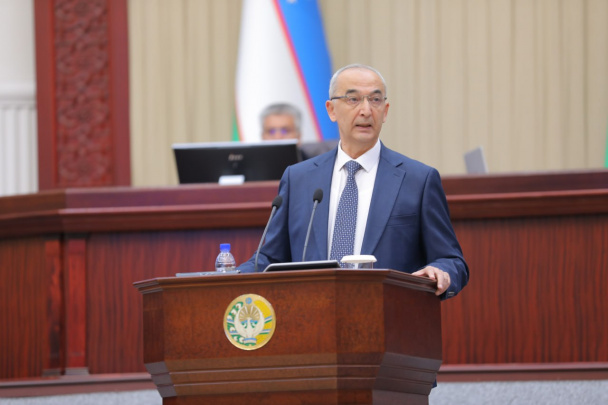
Transport Minister Ilhom Mahkamov addressed a question from Senator Erkin Gadoyev, Chairman of the Senate Committee of Oliy Majlis, about the measures being taken to ease road congestion in the capital.
According to the ministry’s report, around 1 million vehicles travel on Tashkent’s roads every day, including 300,000 private cars that contribute to traffic jams.
To improve public transportation and reduce congestion, 1,004 new buses have been purchased for Tashkent, including 304 electric buses.
Currently, the capital operates 164 bus routes across four categories: 99 main routes, 14 circular, 11 trunk, and 40 feeder routes. The average waiting time has been halved to 8–10 minutes, while the average speed of public transport has increased to 18–21 km/h. Approximately 1.4 million passengers are transported daily, which has helped reduce air pollution and dependence on private vehicles.
The average speed of buses has risen by 29%, from 18.7 km/h to 24.1 km/h, allowing around 800,000 passengers to save time each day. Major urban highways – 36 corridors with a total length of 472 km – are being equipped with intelligent traffic management systems and smart traffic lights. The city’s busiest streets, including Shota Rustaveli, Amir Temur, and Sergeli, are undergoing reconstruction, with dedicated bus lanes being introduced.
The ministry also reported ongoing implementation of “Intelligent Transport” systems on Navoi, Beruni, Farhod, and Keles streets, among others. Along a 3 km section of Akhangaran Street, sensors, remotely controlled traffic lights, and traffic violation cameras have been installed. In 11 of the most congested areas – including Shota Rustaveli, Amir Temur, and Fergana Yuli – 166 intersections now operate under smart control systems.
Plans are also underway to integrate suburban areas into Tashkent’s public transport network through unified bus routes. In October 2025, 200 electric buses are expected to be delivered to Toshshahartansxizmat JSC. By 2026, the city plans to add another 1,000 buses and extend routes to nearby settlements.
Additionally, Tashkent will introduce night and tourist bus services. Fifteen night routes (from 22:00 to 06:00) are planned to connect the airport, railway stations, metro lines, and hotel districts, providing convenient transport for tourists and residents during late hours.

Related News
13:38
Senate backs stronger child protection measures and penalties for abuse
13:25
Senate approves Tashkent International Financial Centre law after revisions
19:53 / 07.07.2026
Lawmakers approve special tax regime for foreigners in final reading
13:59 / 07.07.2026