“In Uzbekistan, they have made it compulsory to declare cement imported from Kazakhstan at $300 per ton and pay taxes based on that value. In reality, we import it for $30 per ton. So, taxes should be calculated accordingly,” Akimbayev told Forbes Kazakhstan.
“Exports to Uzbekistan fell to zero for the first time in seven years”
Akimbayev stated that this “hidden order” has caused Kazakhstan’s cement exports to Uzbekistan to collapse.
“If this document exists, customs officers have no choice but to follow it. But then what happens to the declarations about expanding mutual trade? Since the order took effect, for the first time in seven years, our cement exports to Uzbekistan have fallen to zero. In August, we didn’t export even a single ton. No one will buy cement at the artificially inflated price imposed by Uzbekistan. If they continue on this path, Kazakhstan will have the right to take reciprocal measures,” he said.
He added that the decision was adopted secretly and cannot be found in any public source.
“Unfortunately, we don’t have solid proof yet. The Cabinet of Ministers’ decision cannot be found anywhere in open sources. All we have is a photo of a customs officer’s phone screen showing the document. It has practically become a ‘secret sealed with seven locks.’ Why? Because if it were made public, there would be an immediate outcry,” Akimbayev explained.
For reference, Uzbekistan currently imposes a 30% import duty on cement.
Kazakhstan’s cement market situation
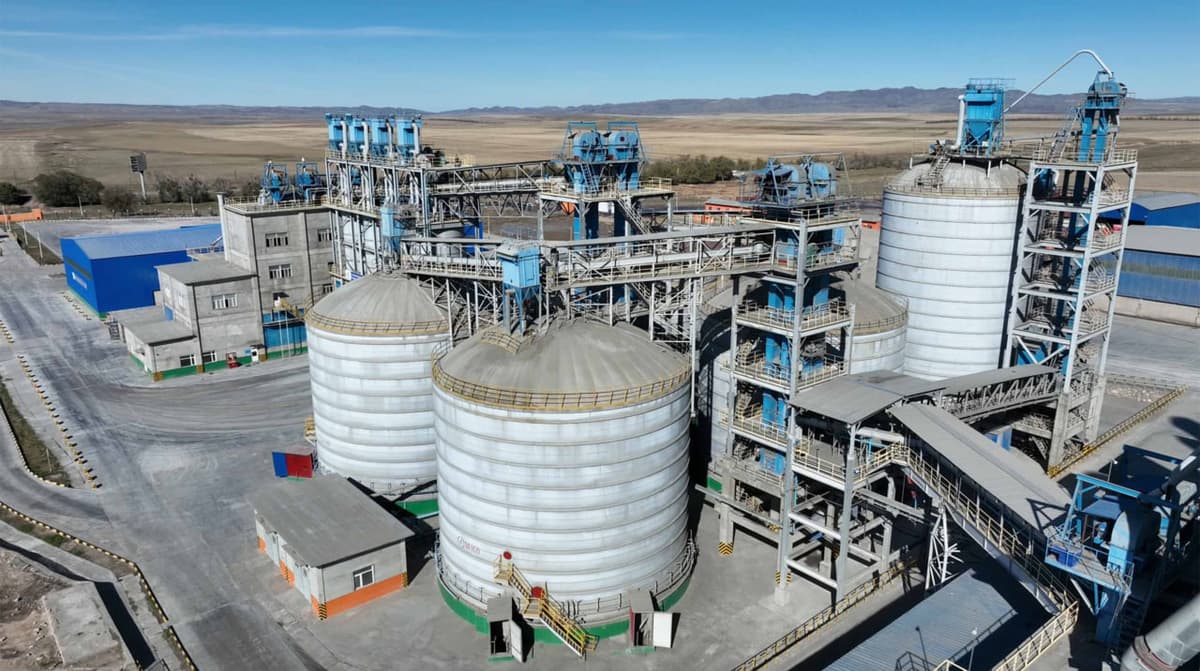
Akimbayev also commented on the domestic situation in Kazakhstan’s cement industry, saying that the market has become oversaturated and some factories have started shutting down.
“We are facing an overproduction crisis. Our production capacity is already about 1.5 times higher than domestic demand, and soon it will double. Three more plants are under construction – two in Aktobe region and one in West Kazakhstan region. We already have more than enough cement,” he said.
According to the QazCem head, existing plants can fully meet domestic demand even if consumption rises.