




Additional features
-
Night mode

Central Bank sees Islamic finance as key to formalizing shadow economy
Majority of Uzbeks prefer Islamic finance over traditional banking, according to a survey.
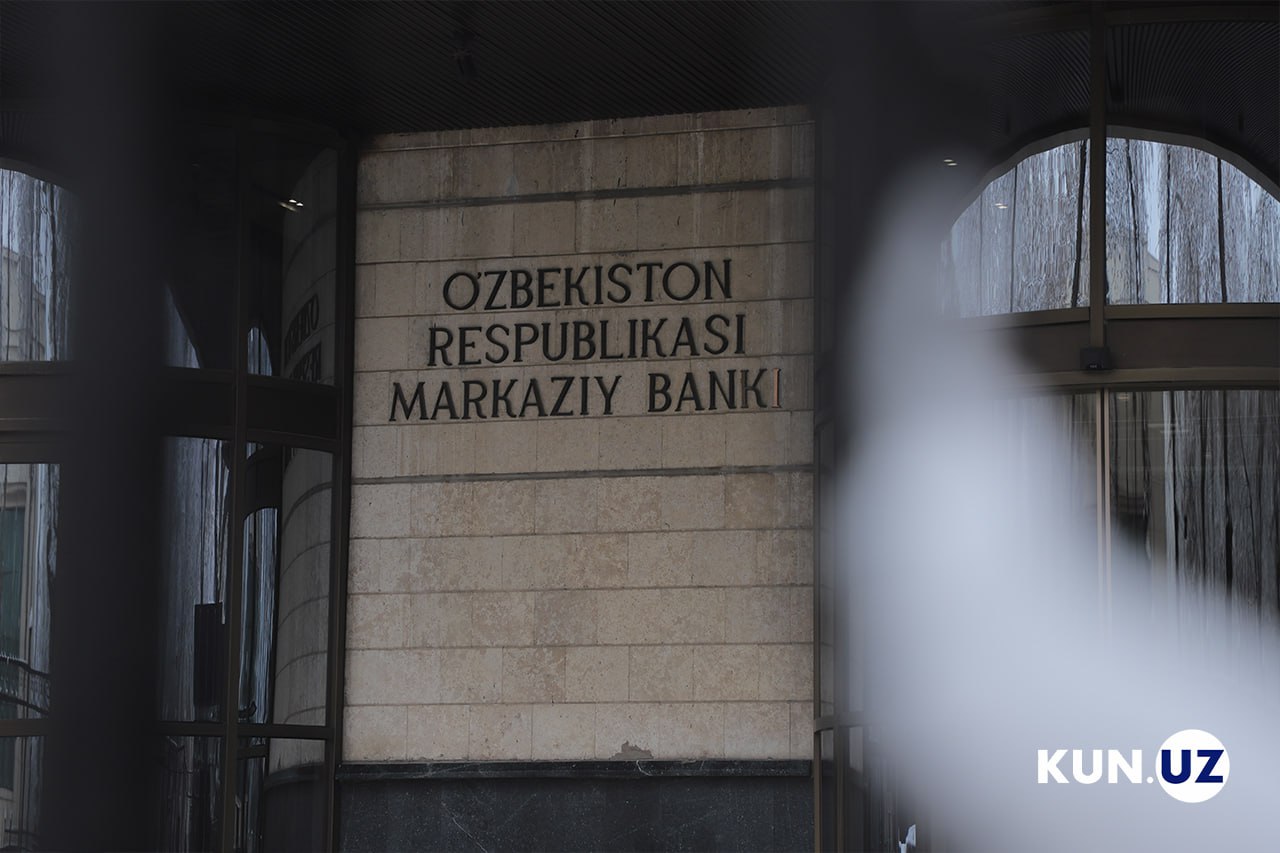
The Central Bank of Uzbekistan expects at least 10 full-fledged Islamic banks to operate in the country by 2030, Deputy Chairman of the Central Bank Abrorkhuja Turdaliev told Spot in an interview on October 24.
“We anticipate that within the next five years, there will be at least 10 full-scale Islamic banks in Uzbekistan. In addition, several ‘Islamic windows’ will be established within conventional banks. It is already planned that three state-owned banks will open such windows,” Turdaliev said, noting that the specific banks have not yet been identified.
According to him, the Central Bank views Islamic finance as an alternative mechanism to channel funds from the shadow economy into the formal banking system.
When asked about the share of the population that does not use traditional banking services, Turdaliev stressed the importance of a cautious approach to interpreting such figures.
“Some people believe that Islamic finance would be a better option, while others categorically refuse to use conventional banking services. When conducting assessments, it’s important to phrase the question correctly. The figures of 50–60% usually refer to those who would prefer Islamic finance, whereas the share of those who completely reject traditional services is significantly lower,” he explained.
In September, the Legislative Chamber of the Oliy Majlis approved, in its first reading, a draft law introducing Islamic banking in Uzbekistan. According to a UNDP survey, 68% of the population and 60% of business representatives said they do not wish to use traditional banking services due to religious beliefs.
The draft law introduces new terms such as “Islamic banking activity,” “Islamic financial activity,” “Islamic financial operations,” “Islamic financial standards,” and “investment deposit.”
Islamic banks will require a separate license, with specific conditions for obtaining it. Conventional banks may also establish “Islamic windows” if licensed. The draft defines several Islamic financial products, including Murabaha, Mudaraba, Musharaka, Wakala, and Salam.
The Central Bank proposes allowing Islamic financial institutions to directly engage in trading, establish legal entities, and acquire shares or stakes in charter capital without restrictions.
Islamic finance councils (Sharia boards) will be created at the Central Bank and commercial banks to oversee compliance with Islamic finance standards. The draft law outlines their roles and responsibilities and grants the Central Bank authority to set Islamic finance standards for credit institutions and to evaluate the members of Sharia councils.
Islamic banks and microfinance organizations will be exempt from state fees for notarizing property transactions carried out under Islamic finance principles. Uzbekistan may also introduce a separate tax regime for Islamic finance to account for its unique features.

Related News

12:30
Inflation perceptions in Uzbekistan fall to record low in June – Central Bank
12:28 / 13.07.2026
Central Bank: Strong housing demand pushes up prices across Uzbekistan

18:04 / 09.07.2026
Central Bank says Tax Committee’s proposal to monitor large P2P transfers violates Constitution

12:15 / 09.07.2026