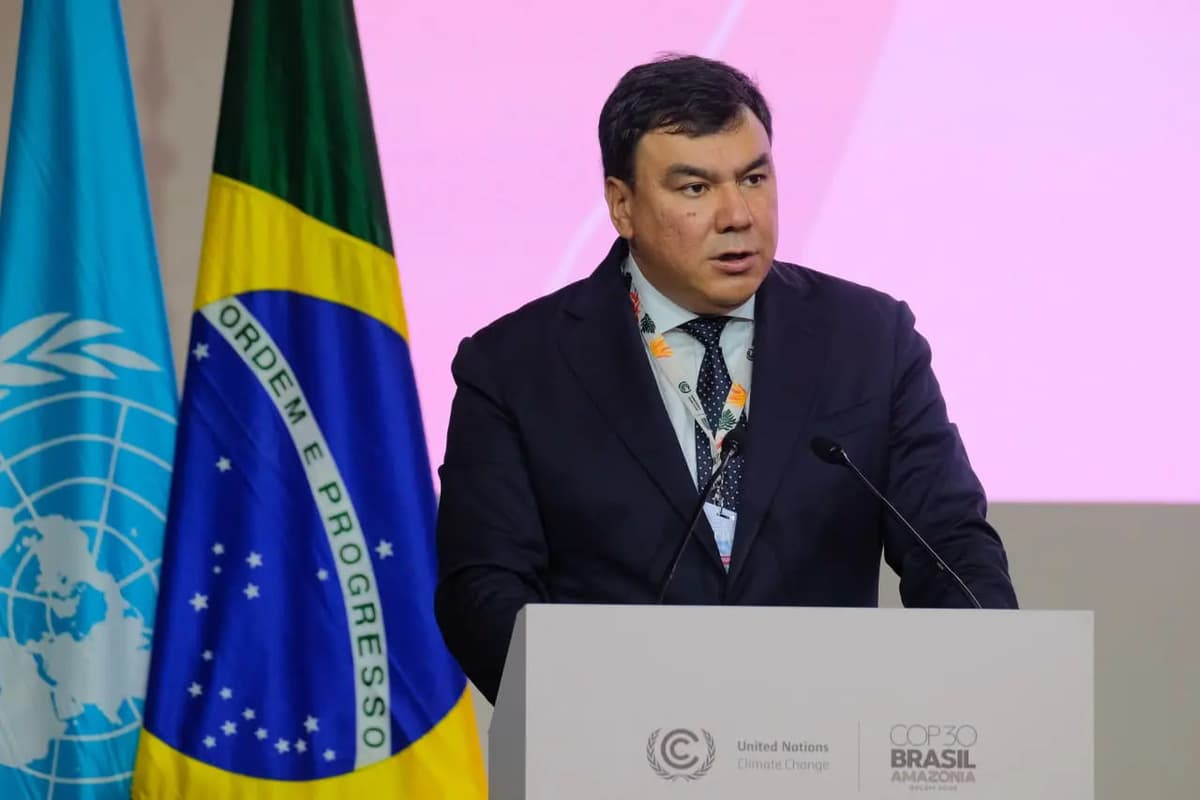
Speaking at the UN Climate Change Conference in Belém, Brazil, Minister Abduhakimov highlighted Central Asia’s high vulnerability to climate change, noting increasing land degradation and shrinking water resources. He also pointed out that regional temperatures have already risen by 2.2 °C, while glaciers are losing up to 0.5 percent of their volume annually.
The minister emphasized Uzbekistan’s new nationally determined contribution (NDC), under which the country aims to halve greenhouse gas emissions per unit of GDP by 2035 relative to 2010 levels.
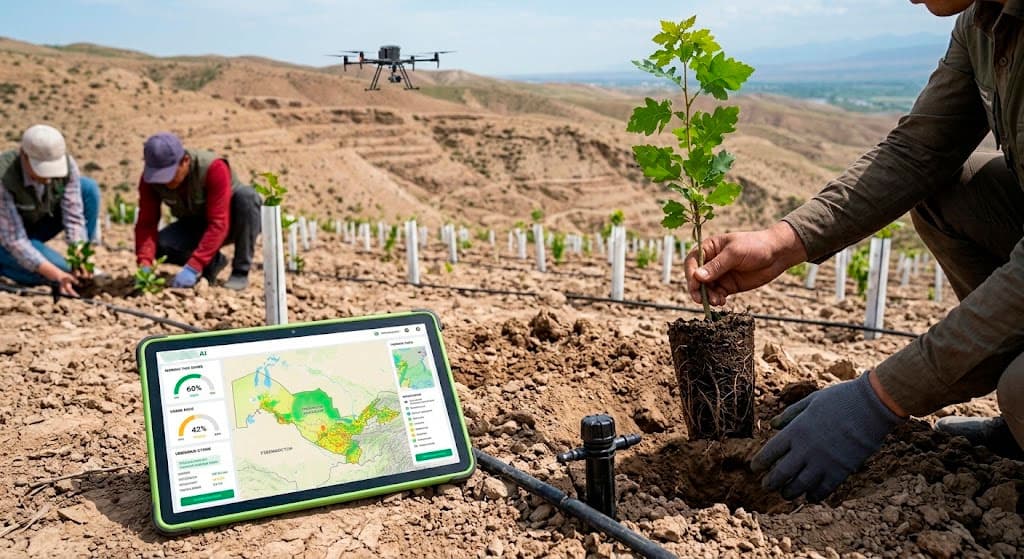
Abduhakimov also outlined plans to develop renewable energy, expand forested areas, and modernize waste management systems. He highlighted the importance of the Green University initiative and the regional center being established to combat desertification.
At the conclusion of his speech, the minister invited participants to attend the 8th Assembly of the Global Environment Facility (GEF) and the Eco Expo Central Asia exhibition, scheduled to take place in Samarkand from 31 May to 5 June 2026.
For context, greenhouse gases are gaseous substances that trap and re-emit infrared radiation, originating from natural or human-made sources, and are regulated under the Paris Agreement. These include carbon dioxide (CO2), methane (CH4), nitrous oxide (N2O), ozone (O3), chlorofluorocarbons (CFCs), perfluorocarbons (PFCs), and sulfur hexafluoride (SF6).