POLITICS | 13:40
136
6 min read

President Mirziyoyev proposes long-term cooperation agenda at Central Asia + Japan summit

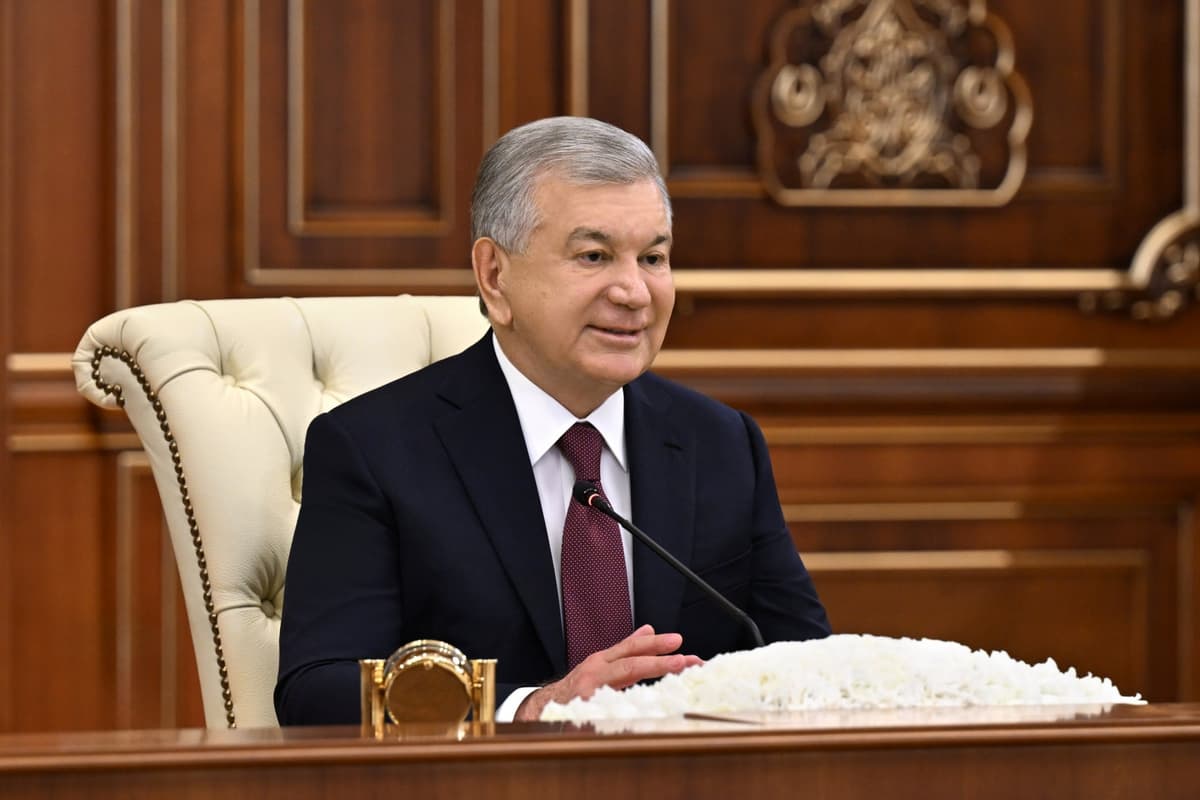
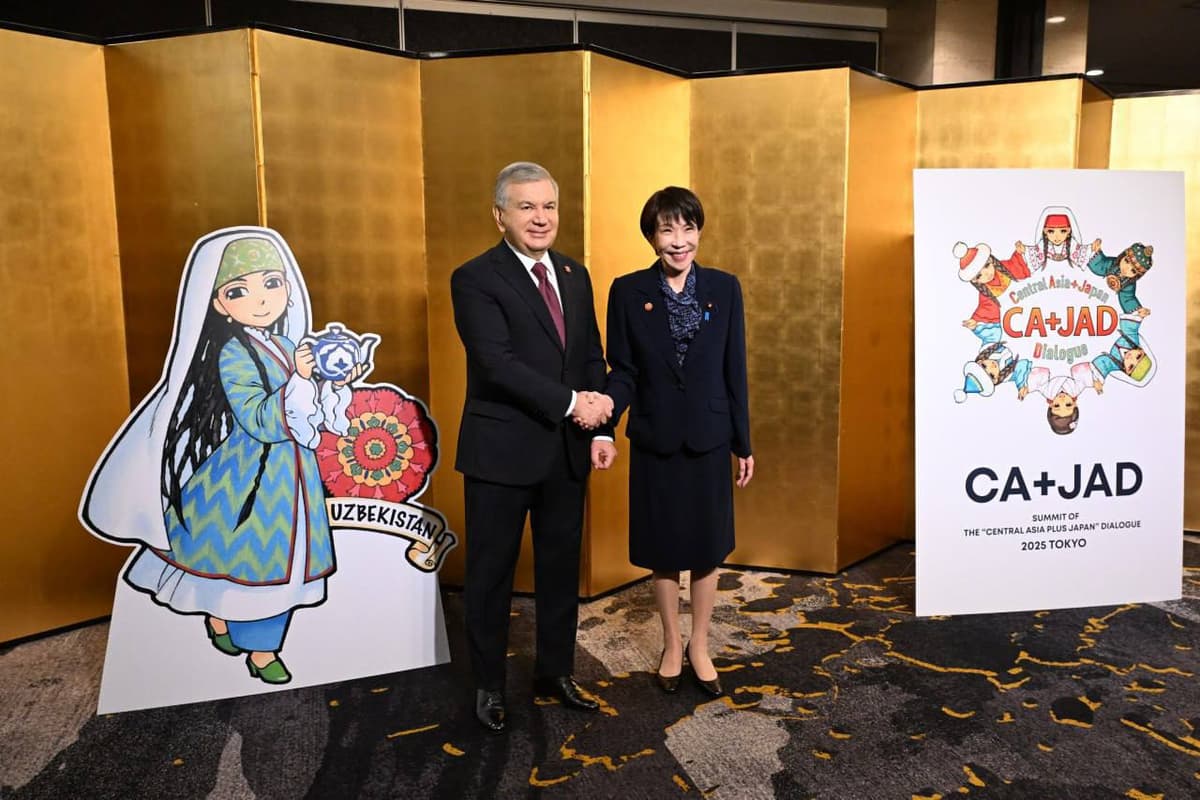
On December 20, Tokyo hosted the first-ever summit of heads of state within the Central Asia + Japan dialogue. At the meeting, President of Uzbekistan Shavkat Mirziyoyev voiced a number of proposals aimed at the systematic development of cooperation, including drafting a cooperation strategy through 2040, launching infrastructure and investment initiatives, and creating a digital partnership platform.

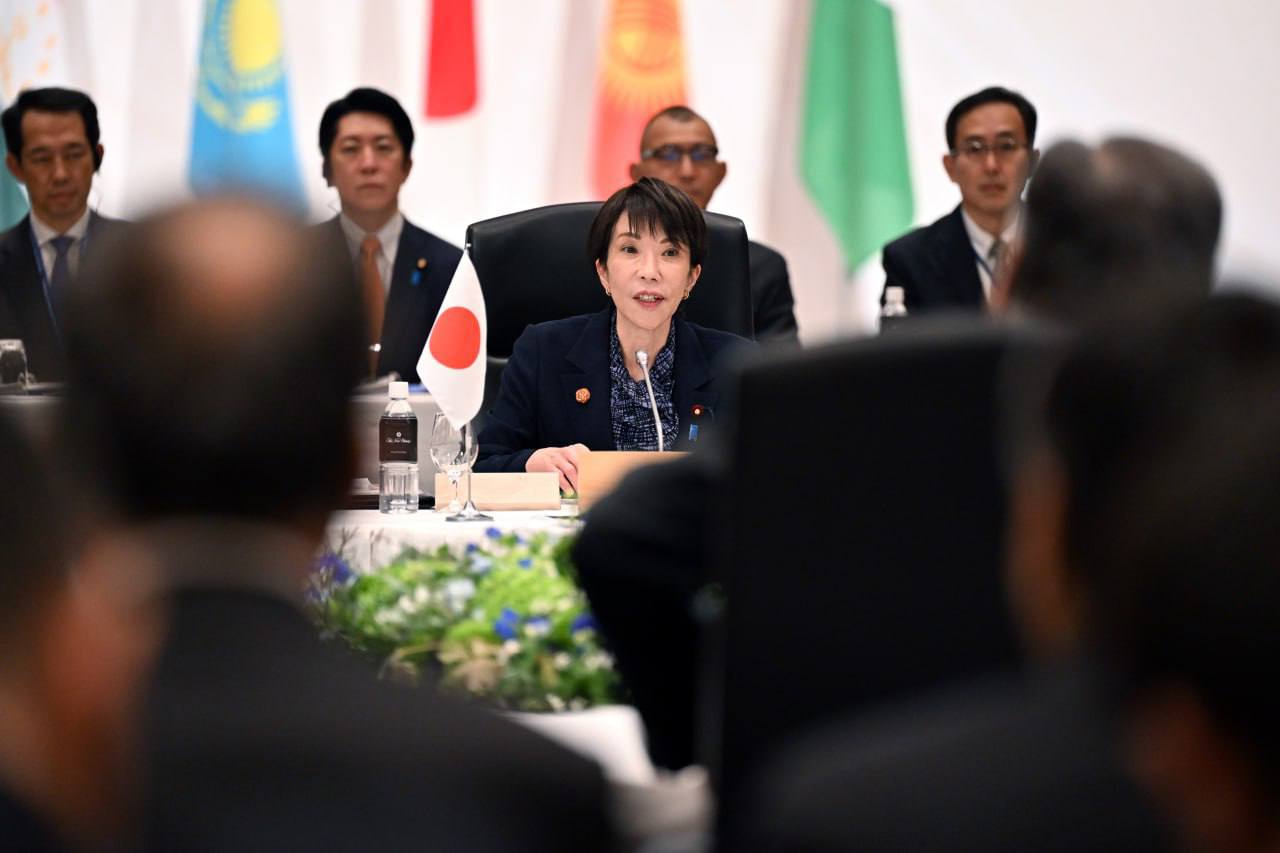
The event was chaired by Japanese Prime Minister Sanae Takaichi. The summit was also attended by the President of Kazakhstan Kassym-Jomart Tokayev, the President of Kyrgyzstan Sadyr Japarov, the President of Tajikistan Emomali Rahmon, and the President of Turkmenistan Serdar Berdimuhamedov.

The agenda focused on expanding cooperation between Central Asian countries and Japan in priority areas such as the green economy and sustainable development, strengthening connectivity and regional cooperation, and developing human capital.

In his address, President Mirziyoyev recalled that Japan had initiated the “Central Asia Plus” dialogue 20 years ago, noting that trade and cultural ties dating back to the era of the Great Silk Road, along with shared traditions and values, provide a solid foundation for deepening cooperation. He highly praised Japan’s contribution to the region’s socio-economic development, modernization of infrastructure, industry and the energy base, as well as to science, education, and human resources development.
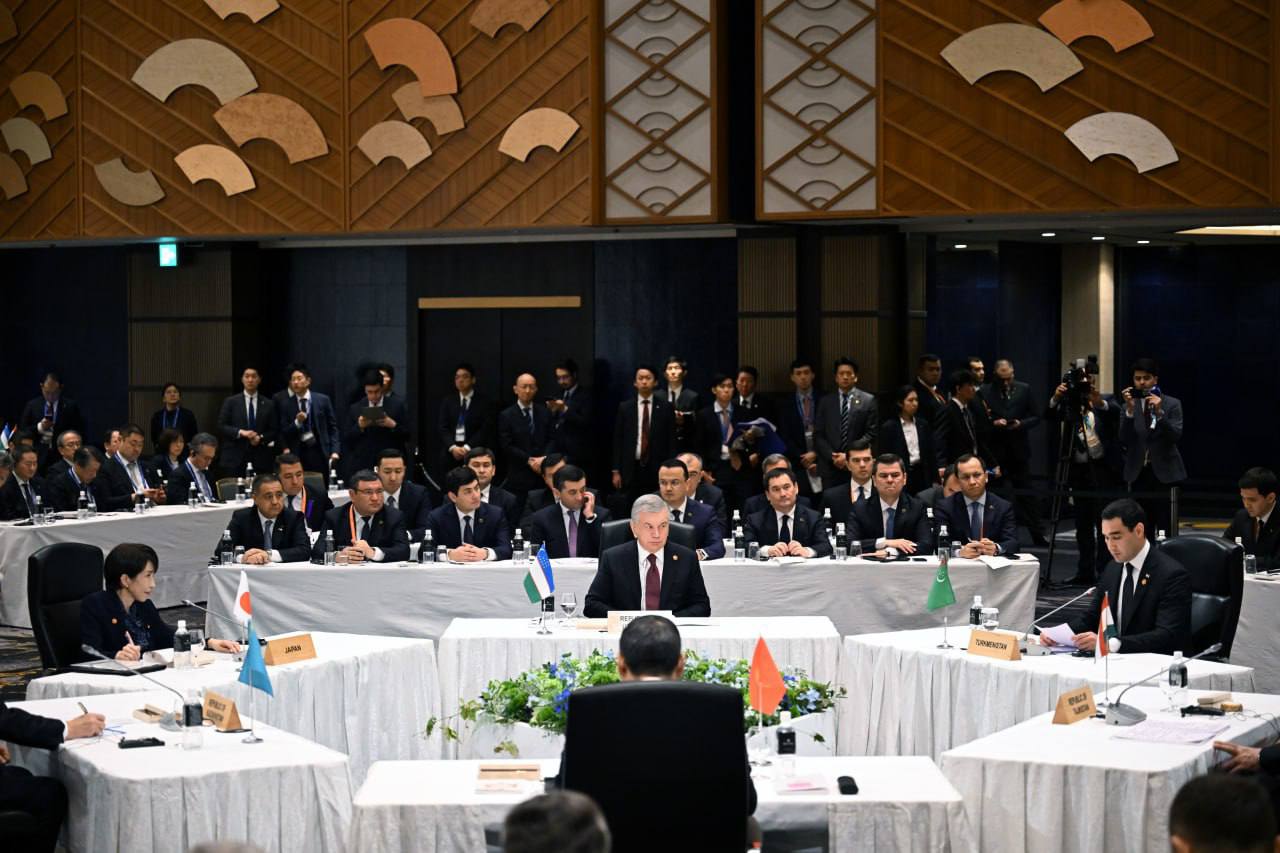
The Uzbek leader put forward a series of initiatives to advance cooperation within the Central Asia + Japan format. In particular, he proposed holding summits at the level of heads of state every two years and expressed Uzbekistan’s readiness to host one of the upcoming meetings.

Uzbekistan also voiced support for developing a Central Asia – Japan 2040 cooperation strategy, with the document to include concrete programs and projects to support the sustainable development of regional countries and deepen their integration into global economic processes. To generate new ideas and proposals, the importance of establishing an Experts Forum involving leading analytical institutions from participating countries was emphasized, with a proposal to hold its first meeting in Tashkent next year.
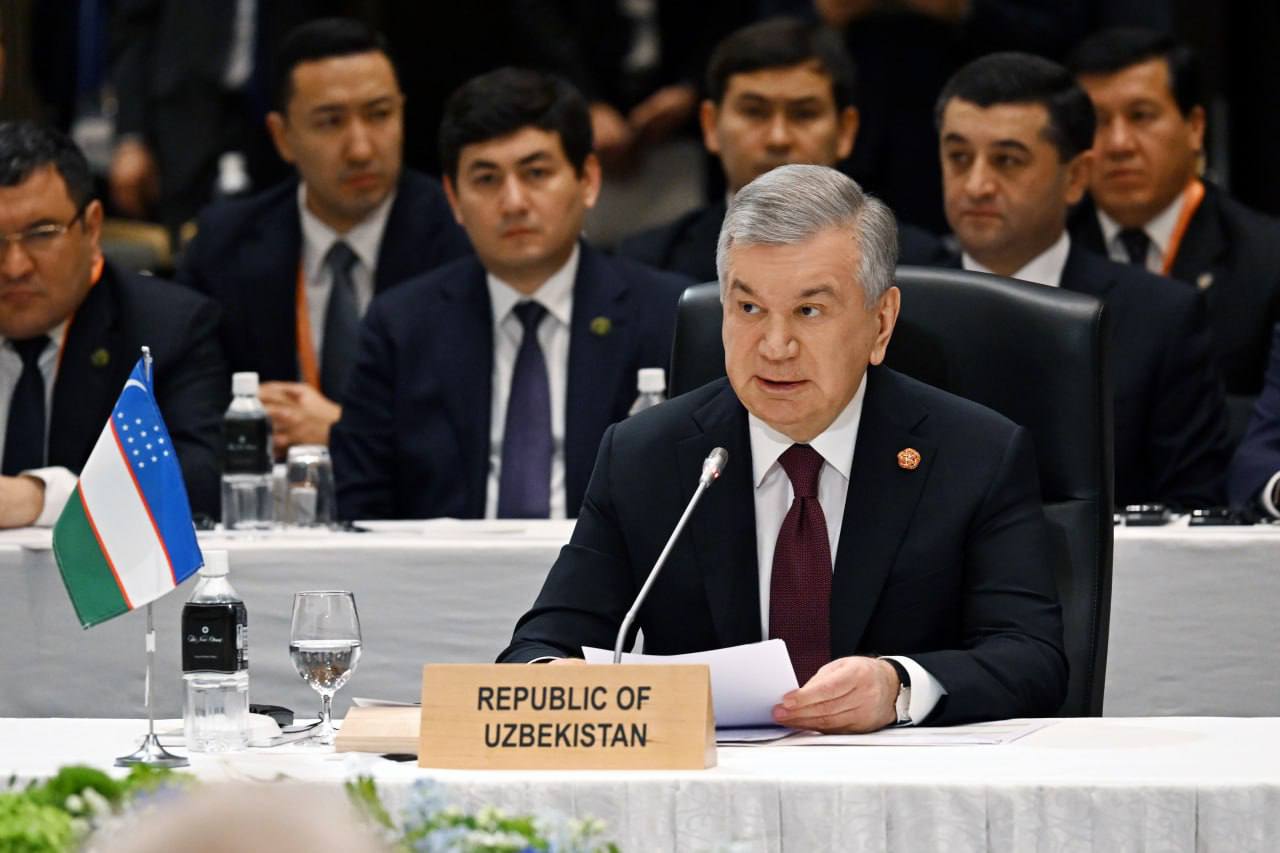
On the economic front, support was expressed for expanding the role of Japanese financial institutions in backing trade, economic, and investment projects. The idea of establishing an investment fund for the development of Central Asia’s infrastructure and industry was also proposed. This could serve as a basis for launching a “Quality Infrastructure” program and for creating a Central Asian network of Japanese technoparks as a regional platform for industrial cooperation, localization, and technology transfer.
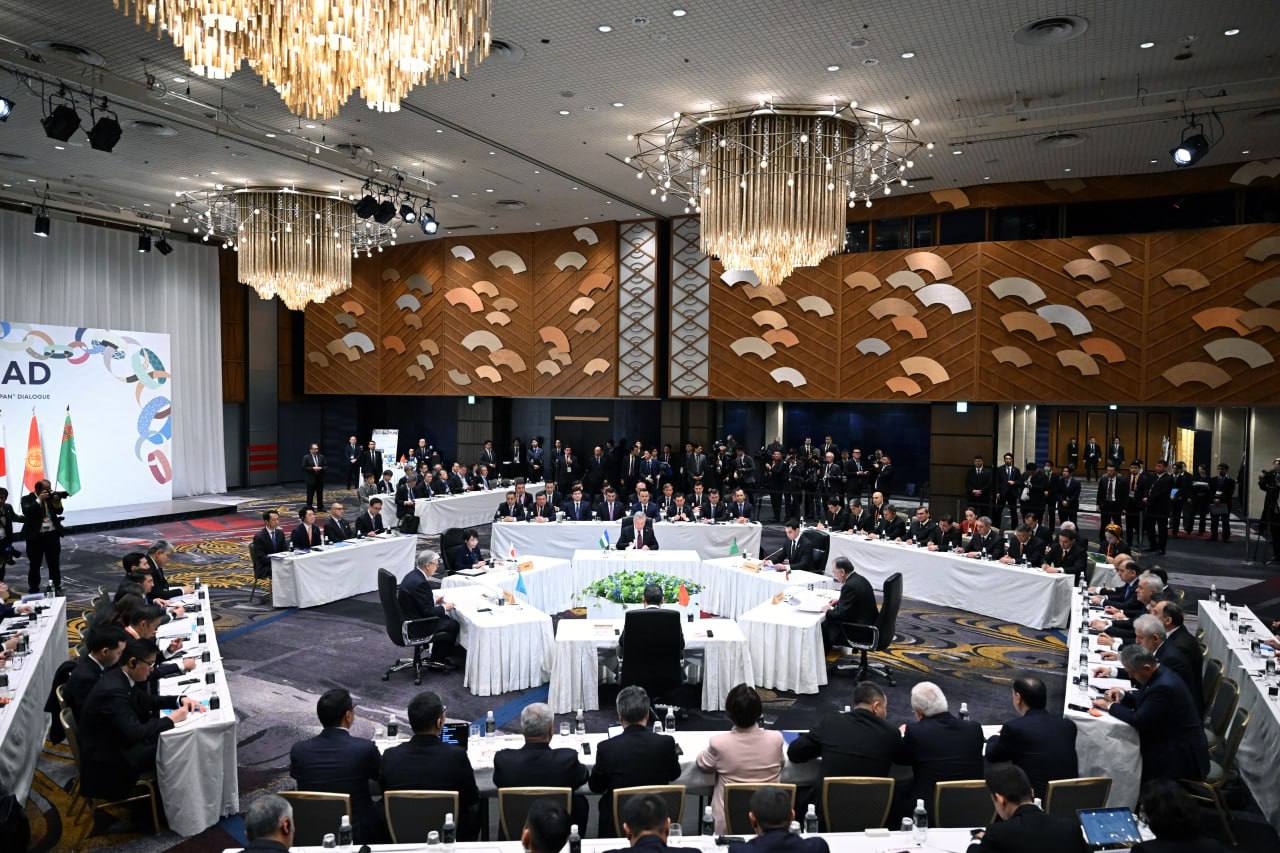
Highlighting that digital transformation is becoming a decisive factor for economic growth and sustainability, President Mirziyoyev proposed establishing a Central Asia – Japan digital hub as a multilateral cooperation platform in digital solutions, artificial intelligence, the Internet of Things, cybersecurity, and the innovative economy.

In the transport sector, interest was expressed in attracting Japanese investment, technologies, and expertise for projects involving high-speed railways and highways, digitalization of transport corridors, and the construction of airports and logistics centers.

Within the green energy agenda, the importance of joint projects to introduce cogeneration technologies, reduce losses, and capture harmful emissions was underscored. A proposal was also made to establish a regional center in Tashkent for training specialists in renewable energy.

On environmental cooperation, proposals included launching a joint program to improve air quality in Central Asia, adopting a joint action program to combat climate change, and organizing a new format of meetings among the heads of environmental protection agencies.

In the field of seismic safety, it was proposed to launch a joint program to assess and enhance seismic resilience in the region based on Japan’s experience, as well as to open a regional advanced training center in Tashkent for engineers, architects, and rescue services, operating under Japanese standards and protocols.

To expand cultural and humanitarian cooperation, plans were announced to hold the first meeting of education ministers in the Central Asia + Japan format and the first forum of rectors from leading regional universities in Uzbekistan next year. The adoption of a regional networking program aimed at building long-term ties among youth communities was also proposed.

International politics and regional security issues were also discussed at the summit, with participants affirming a shared commitment to guiding Afghanistan toward peaceful, stable, and constructive development. Japan’s consistent position as a donor and partner country in supporting the Afghan people was highly appreciated.

Other leaders also delivered remarks during the event. The summit concluded with the adoption of the Tokyo Declaration.

Related News