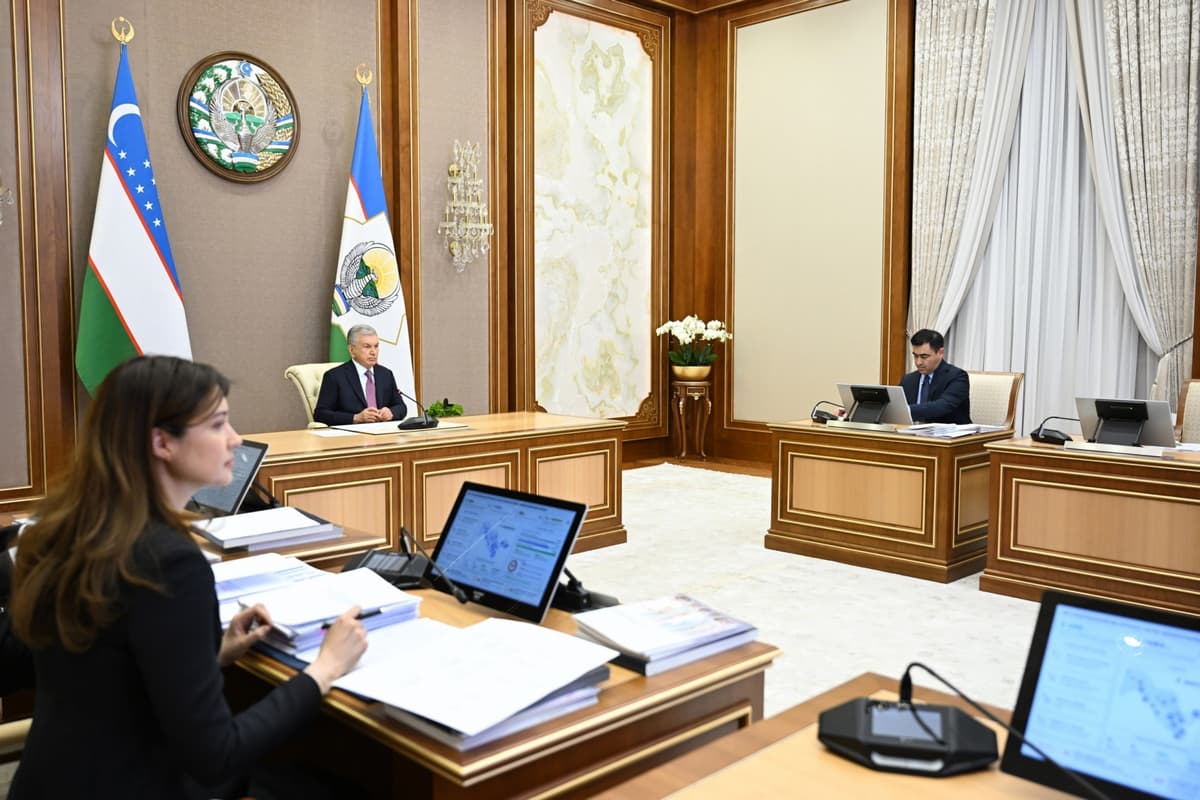
The president identified inflation as one of the main factors influencing domestic demand. He said that over the past nine years a favorable business environment has been created, the volume and range of goods and services have expanded, and at least $1 billion a year in affordable loans has been allocated to low-income families. As a result of reducing inflation to single-digit levels, purchasing power has doubled, he added.
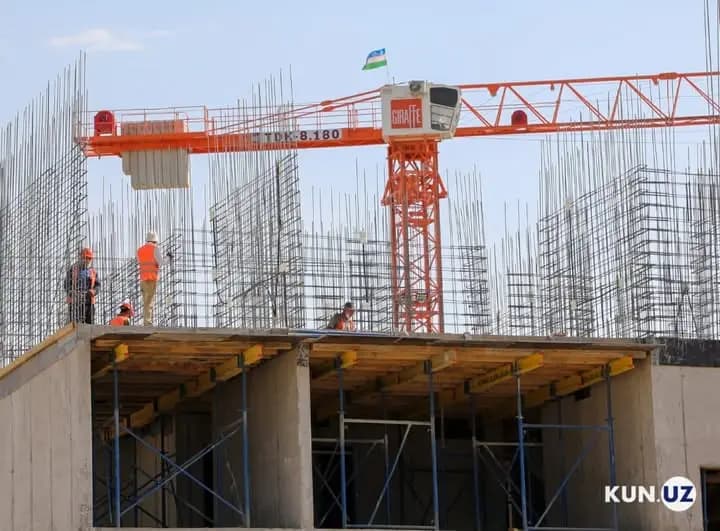
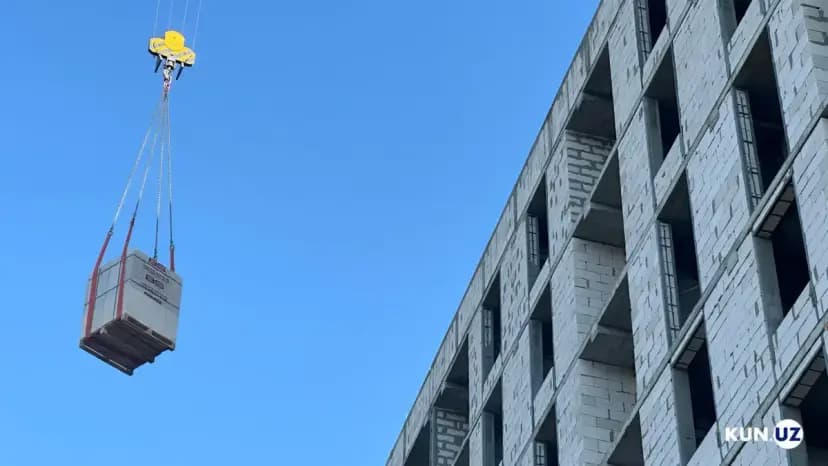
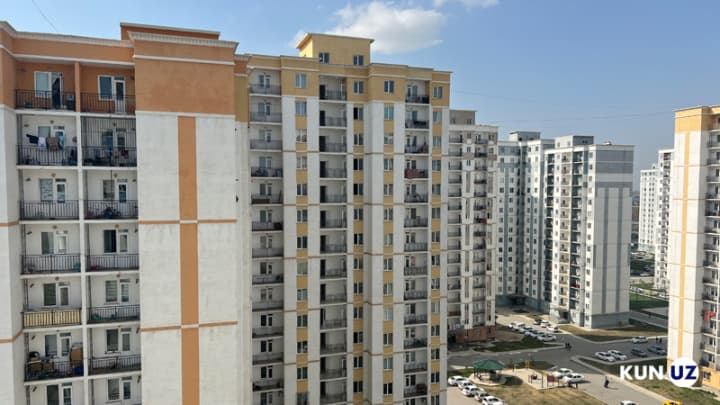
Housing was cited as one of the sectors generating the strongest demand across the economy. To support households’ housing needs and boost domestic consumption, the president announced that high-rise residential buildings comprising 140,000 apartments will be constructed in 2026.
To support the mortgage market, UZS 23 trillion will be allocated for housing mortgages in 2026. In addition, UZS 2.7 trillion in subsidies will be provided to cover part of down payments and interest costs for homebuyers. The amount of preferential mortgage loans available per apartment will also be increased by 15 percent.
The expansion of multi-story housing construction next year is expected to naturally increase demand for essential household consumer goods. To finance this demand, consumer lending totaling UZS 125 trillion will be made available in 2026.
Overall, construction activity is planned to increase by 11 percent next year, bringing the total volume of construction work to $30 billion.