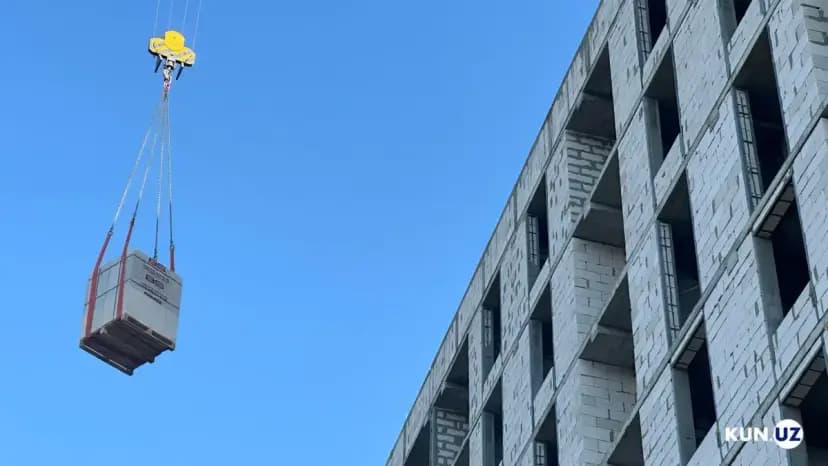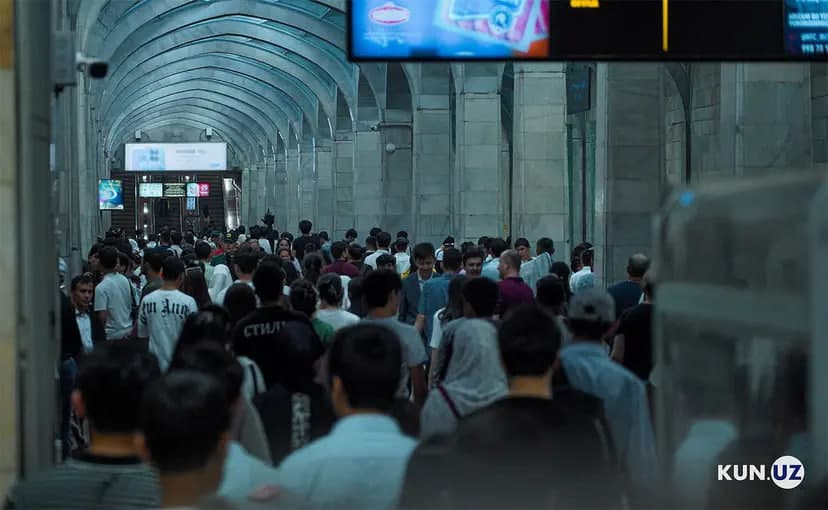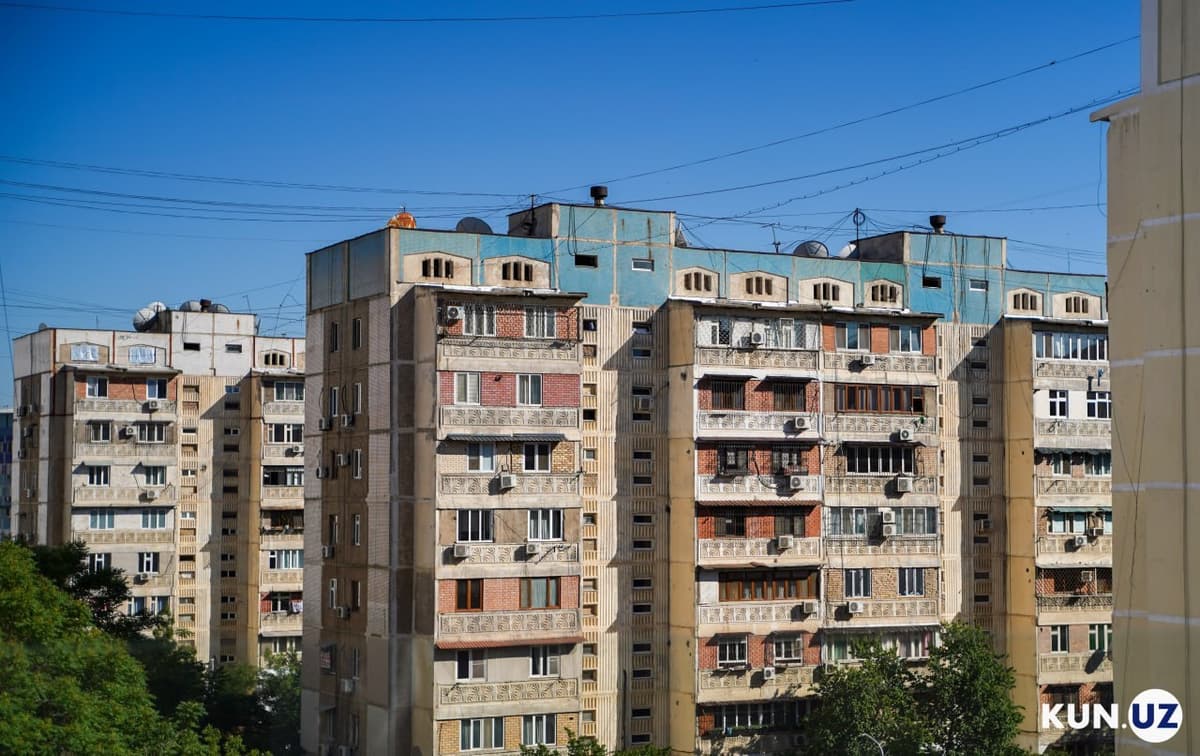
In January 2026, housing and utility officials reported that approximately 7.1 million people resided in multi-apartment buildings across the country. However, data released by the National Statistics Committee shows that only 4.8 million citizens – about 12% of the country's total population – actually live in high-rise apartments. Instead, an overwhelming majority of 86% of the population resides in detached houses with courtyards.
The official housing breakdown at the beginning of 2026, which recorded a total population of 39,047,000, shows the following distribution by accommodation type:
Private detached houses and country villas – 33,689,000
Apartments in high-rise buildings – 4,826,000
Student dormitories – 61,000
Other types of dormitories – 63,000
Non-residential premises used as housing – 58,000
Hotels, family guest houses, and hostels – 3,500
Other remaining housing categories – 347,000
This contrast is notable given that during a presentation to the head of state on January 14, 2026, regarding the management of multi-apartment housing, it was stated that 7.1 million people lived in more than 44,000 apartment blocks nationwide. The census has corrected this baseline figure down to 4.8 million.
The housing landscape differs substantially in the capital. Out of Tashkent's 3,225,000 permanent residents, nearly 1,454,000 people (45%) live in courtyard houses, while 1,655,000 residents (51%) live in multi-apartment buildings.
Outside the capital, apartment living is concentrated in a few key regions. The number of residents in multi-apartment buildings stands at 605,000 in Tashkent region, 429,000 in Fergana region, 306,000 in Samarkand region, 301,000 in Navoi region, 203,000 in Andijan region, and 202,000 in Bukhara region.
The census data also provides insight into current urbanization trends. Approximately 21.3 million people (54.5%) live in urban areas, while 17.8 million people (45.5%) reside in rural districts.