





Additional features
-
Night mode

Competition Committee links propane price rise to higher import share
The Competition Committee has commented on the increase in propane prices, stating that it is driven by a rise in the share and prices of imported products in the market. The committee urged social media activists not to disseminate any information that could lead to price increases in the domestic market.
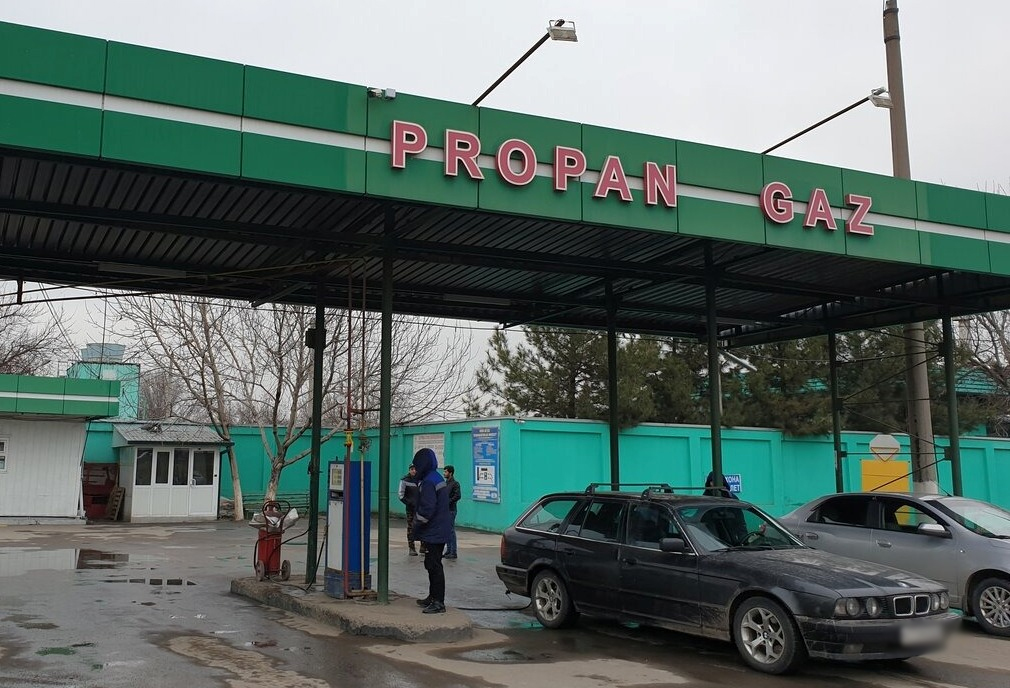
The Competition Development and Consumer Rights Protection Committee issued an explanation regarding the rise in propane (liquefied petroleum gas) prices, noting that the increase is occurring due to a higher share of imported products and rising import prices in the market.
According to the committee, a total of 358,000 tons of propane were sold through exchange trading in 2025. Of this volume, 61 percent (219,000 tons) accounted for domestically produced propane, while 39 percent came from imports. In January–July, the share of domestic products in the internal market remained high, averaging up to 80 percent. Starting in August, this figure began to decline, falling to 35 percent in December and to as low as 10 percent during the elapsed period of January.
“The main reason for this is that domestic products are being directed to households and social sector facilities,” the committee said in its statement.
It was noted that, as a result of measures taken by the committee, including setting a maximum increase cap of 20 percent (spread) above the starting price for propane and establishing a purchase limit of 5 tons per trading session (previously 10 tons), the selling price of domestically produced propane did not exceed UZS 7 million per ton throughout the year. At the same time, the price of imported propane has been formed at up to UZS 8 million per ton.
In this context, the committee recalled the existing price gap between domestic and imported products and explained the recent rise in propane prices by the growth in both the share and prices of imported propane.
“There is a difference of up to 40 percent between the starting (50 percent) and selling (35 percent) prices of domestic and imported products,” the committee clarified. “However, in recent months, due to the increase in the share of imported products and rising demand in the domestic market, the average price at exchange trading has been formed mainly on the basis of imported products. In addition, because business entities have raised the starting prices of imported products, the average selling price of one ton of liquefied gas has now reached up to UZS 9.5 million – a 20 percent increase compared with December.”
The committee emphasized that vehicles running on propane account for 11 percent of the total vehicle fleet in the country, while liquefied gas (propane) makes up only 5 percent of fuel products sold in the domestic market.
In turn, the Competition Committee reported that, within its authority, it is implementing prompt measures to stabilize propane prices in the domestic market and is conducting continuous monitoring of prices at gas stations. It added that additional information on the measures being taken will be provided.
“In the current situation, any coverage of retail prices or dissemination of information about price increases may lead to the formation of a single price in the domestic market and to violations of market principles,” the committee said.
From this perspective, the Competition Committee called on all social media activists to refrain from spreading information that could contribute to price increases in the domestic market.

Related News
20:40
Uzbekistan to build 120,000-ton gasoline reserve for winter
11:34
Energy tariff hikes and coal price surge drive inflation higher in Uzbekistan
19:20 / 02.07.2026
Uzbekistan reports sharp fall in coal and gas extraction amid rising electricity generation

14:49 / 02.07.2026