“We need to formulate our goals and objectives very clearly. We must say it openly – the games are over. Neither international law nor the international order matters to us. If it was necessary to launch a special military operation on Ukrainian territory for the sake of our national security, then based on the same reasoning, why should we not be able to launch special military operations in other territories within our zone of influence as well?” he said.
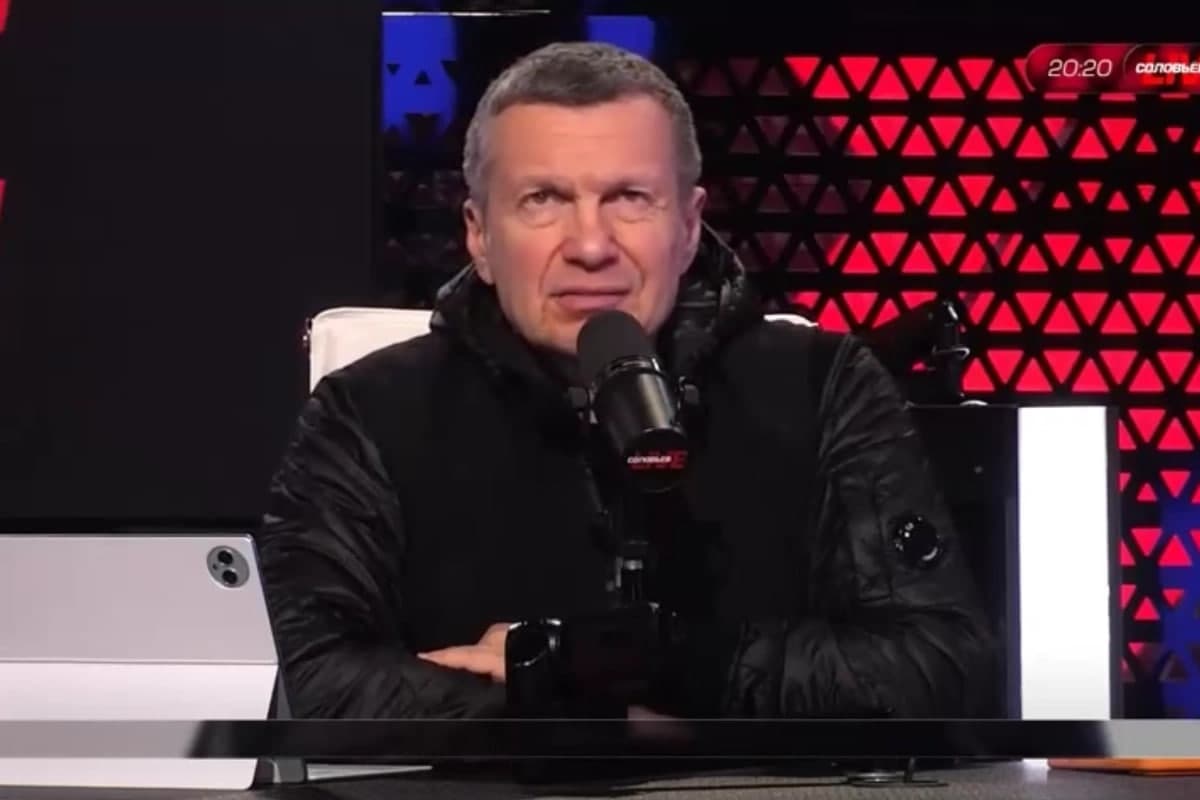
Solovyov made these remarks on the Solovyov Live program. In his view, Russia should focus on the territories of the so-called “near abroad” as a priority direction of its foreign policy. He also stressed that developments in Armenia are far more painful for Moscow than events unfolding in Venezuela, emphasizing that losing Armenia would be an enormous problem for Russia.
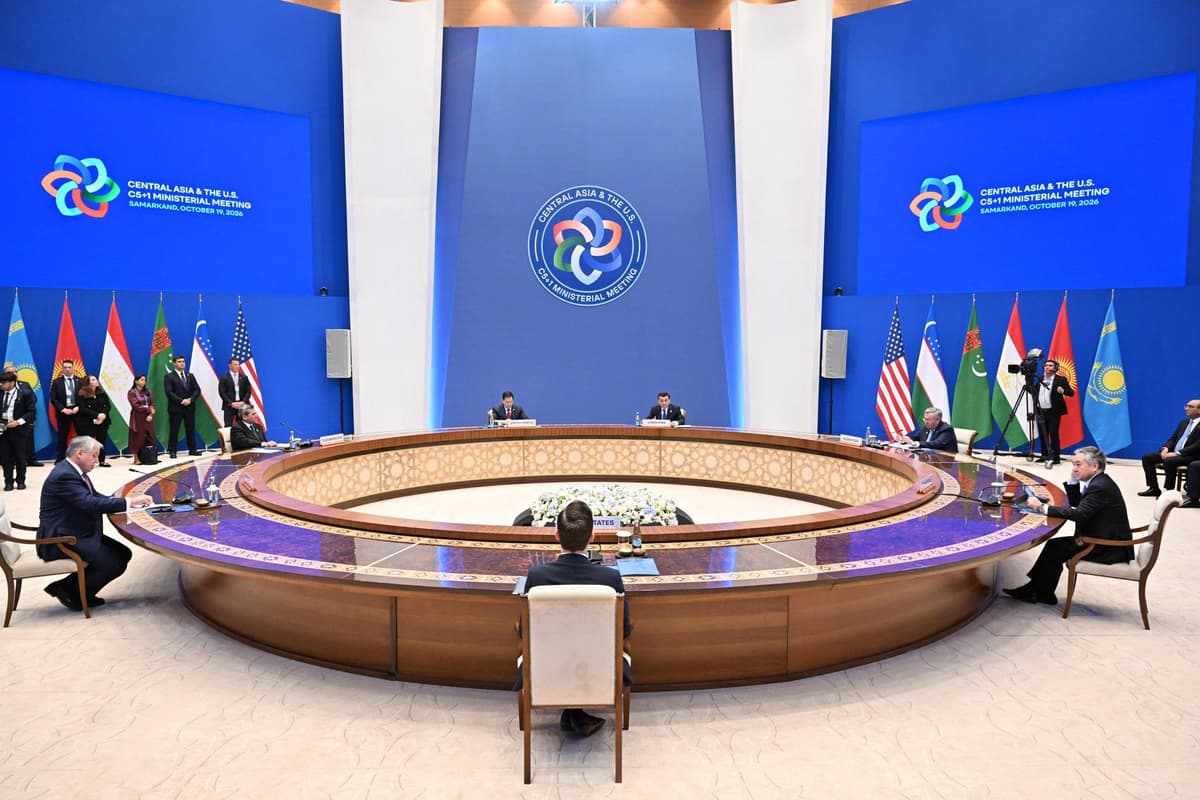
In addition, Solovyov referred to Central Asia as “our Asia” and claimed that potential problems in the region would pose a serious threat to Russia’s national security. In his speech, the chauvinist urged the Russian leadership to disregard issues of international law and the international order, reiterating that “the game is over.”
“We need to shape our national doctrine and clearly state: how far does our zone of influence extend? Then everything will be clear. Everything will be understandable. We need to stop ‘casting pearls before swine’ and openly say that we do not care what Europe thinks,” Solovyov said.
He also emphasized that Russia should “stop showing mercy toward Ukrainians.” The journalist claimed that “if harsh measures had been taken already in the first weeks of the war, the conflict would have ended faster and with fewer losses.”
Reactions against Solovyov’s statement
Solovyov’s remarks have sparked strong reactions in Uzbekistan and Kazakhstan. Local officials and public figures have called for a firm response.
Professor Sherzodkhon Qudratkhuja, rector of the University of Journalism and Mass Communications, described the comments as “unrestrained propaganda.” He said:
“Solovyov openly stated what he previously tried to conceal: international law is irrelevant, sovereignty is merely a piece of paper, and other states can be labeled as ‘territories under influence.’ The phrase ‘our Asia’ is pure colonial rhetoric.”