





Additional features
-
Night mode

Malaysian carriers seek expanded air access to Uzbekistan amid tourism talks
Malaysian airlines are seeking traffic rights that would allow them to operate more flexible routes through Uzbekistan, as interest grows in launching flights to Samarkand and Bukhara, Uzbekistan’s ambassador to Malaysia, Karomiddin Gadoev, has said.
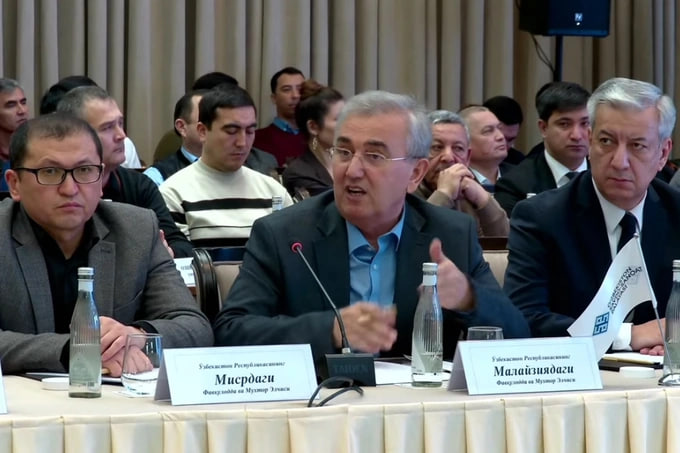
Speaking at a meeting between diplomats and business representatives on January 17, Gadoev noted a rising interest in Uzbekistan among foreign tourists, particularly from Malaysia, but stressed that further expansion of air connectivity depends on ensuring a balanced two-way tourist flow.
According to the ambassador, Malaysian airlines have expressed interest in opening flights to Samarkand and Bukhara. However, during negotiations they have raised concerns that current travel patterns are largely one-sided, with passengers flying out of Malaysia while return flights remain underfilled.
“If an aircraft flies half-empty in one direction, airlines may suspend the service,” Gadoev said, calling on Uzbek tour operators to intensify efforts to attract Malaysian tourists and promote Uzbekistan more actively in that market.
He emphasized that information tours play a crucial role in shaping the country’s international image. Malaysia, he said, has numerous tourism associations that are keen to organize trips to Uzbekistan and are often willing to purchase air tickets themselves and cover part of the costs. Such groups frequently include representatives of leading television channels and multiple media outlets.
“During the month of Ramadan, they produce 10–20-episode film series about different regions of Uzbekistan. Even limited support from the business community, such as covering domestic travel expenses, could deliver a significant promotional effect,” the ambassador said.
Gadoev also pointed to the limited presence of Uzbek tour companies at major international tourism exhibitions in Malaysia, including the World Islamic Tourism Conference and the MATTA Fair, which is held twice a year with participation from more than 120 countries. He offered assistance in securing exhibition space for Uzbek companies on preferential terms.
On air connectivity, the ambassador noted that two years ago there were three flights per week between Uzbekistan and Malaysia. That number has since increased to eight. Further growth, however, is linked to regulatory issues, particularly the granting of fifth freedom rights.
Many Malaysian airlines, he said, are requesting permission to operate routes such as Tashkent – Kuala Lumpur – Jeddah or Kuala Lumpur – Samarkand – Jeddah under the so-called fifth freedom of the air, which allows carriers to transport passengers, cargo, and mail between two foreign countries as part of a service connecting to their home country. This option has not yet been granted by Uzbekistan.
If approved, such routes could open up new opportunities for pilgrimage travel, enabling airlines to bring pilgrims from Malaysia and Indonesia to Uzbekistan, transport them onward to Saudi Arabia for Umrah, and then return them home after the pilgrimage.
Gadoev also highlighted challenges related to halal tourism infrastructure. Malaysian tour operators, he said, often point to a shortage of restaurants and hotels in Uzbekistan that fully meet halal standards, which is a key consideration for Malaysian travelers. He suggested addressing this issue and diversifying cuisine along major tourist routes.
Earlier, on January 9, Uzbekistan introduced subsidies aimed at developing pilgrimage tourism and outlined plans to attract 100,000 tourists from Indonesia and Malaysia over the next two years under the “Umrah Plus” program.

Related News
11:57 / 02.07.2026
Uzbekistan ranks 123rd globally, second in Central Asia in new passport index
12:01 / 01.07.2026
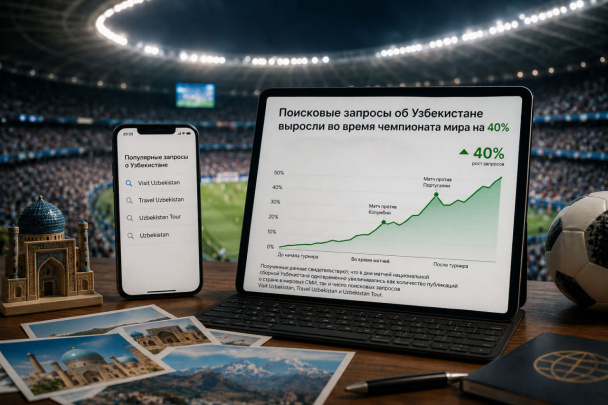
World Cup debut boosts global searches for Uzbekistan by 40%
18:45 / 30.06.2026
President Mirziyoev announces new incentives for multilingual youth to drive tourism growth
21:06 / 29.06.2026