



Additional features
-
Night mode

“This is not our war”: Uzbek migrant recounts forced deployment and escape from Ukraine war
An Uzbek migrant worker who was forcibly sent to fight in Ukraine after being detained in Russia has described widespread coercion, corruption, and heavy casualties among foreign nationals involved in the war.
The 30-year-old man told Kun.uz that he had been working in Russia’s construction sector when he was detained by police and later pressured into signing a military contract. According to his account, he was sent to the front lines in Ukraine’s Donetsk region under threat of imprisonment and only managed to escape months later by paying large bribes to Russian officers.
He said his ordeal began when riot police raided a restaurant where he was dining on a day off. During a search, officers claimed to find narcotics in his bag, which he insists were planted. He was taken into custody and interrogated, after which military personnel allegedly offered him a choice: voluntarily sign a contract to fight in Ukraine or remain in prison.
Despite initially refusing, the man said he was held for 11 days in a basement detention facility and subjected to daily pressure. Attempts to seek help through the embassy were unsuccessful, leaving him with what he described as no alternative but to sign the contract.
After being transferred to Donetsk, he underwent a two-week training program that included first aid, weapons handling, trench warfare, and the use of heavy arms. He then spent eight months on the front lines, where he witnessed frequent drone and artillery attacks, widespread destruction, and numerous deaths.
According to him, many Uzbek nationals and other Central Asians are drawn into the war either through financial incentives or coercion. He said contract soldiers are promised payments ranging from 1.5 million to 2.5 million rubles, along with benefits such as free education for children, healthcare, and subsidized housing. Others, he added, are recruited through fabricated criminal cases, particularly targeting couriers and taxi drivers.
He claimed that Uzbek citizens make up a significant share of foreign fighters, estimating that 7–8 percent of those arriving at the front each month are from Uzbekistan. The man said he personally knew seven Uzbek nationals who had joined the war for financial reasons and were all killed in a single day.
The former fighter also alleged severe abuses within the ranks. He said two Tajik nationals were executed after attempting to cancel their contracts, an incident he described as having taken place at a training ground. He added that official casualty figures are significantly understated, while the real number of those killed or wounded is far higher.
After months of combat and mounting psychological strain, he decided to flee. With the help of intermediaries and by paying a substantial sum, money raised by his family through loans and the sale of property, he said he bribed Russian officers to facilitate his escape during a period of active fighting. He described handing over cash withdrawn from his bank card, saying the officers refused electronic transfers out of fear of being traced.
Now out of the conflict zone, the man warned others against going to Ukraine under any circumstances. “This is not our war,” he said, urging potential recruits not to be misled by promises of money, citizenship, or housing. He described living in constant fear of death and recalled witnessing the killing of a close companion in a drone strike.
“People only realize what war is after they see it,” he said. “By then, it is already too late. Those who are dying and being killed are far more numerous than what is officially reported.”

Related News
19:41 / 12.06.2026
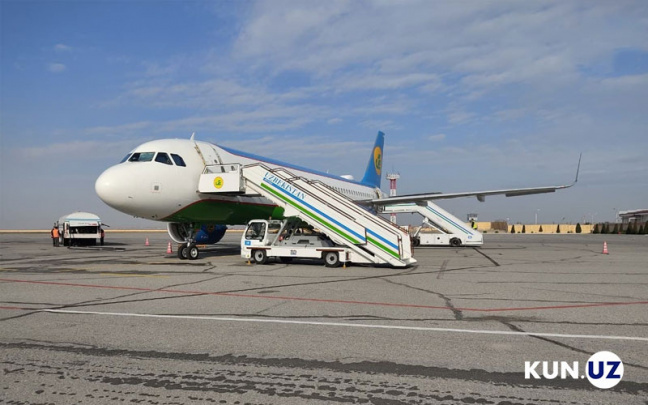
Uzbekistan Airways scales back flights to Russia amid severe fuel shortages
11:43 / 12.06.2026
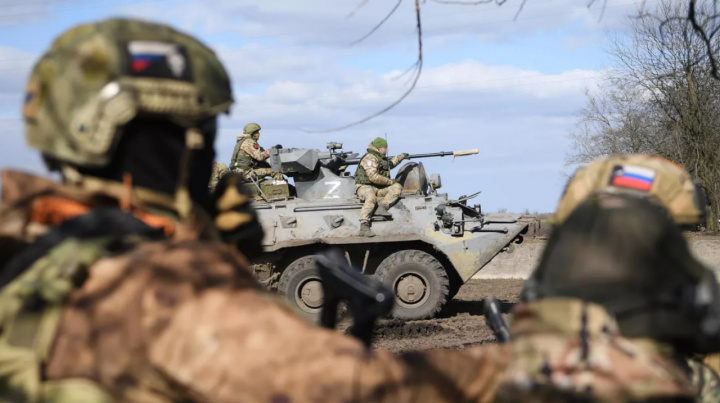
Bukhara man sentenced to over three years for joining the Russian army in Ukraine war
14:52 / 11.06.2026
Sweden and Uzbekistan sign migration pact, agree to simplify visa procedures

21:12 / 10.06.2026