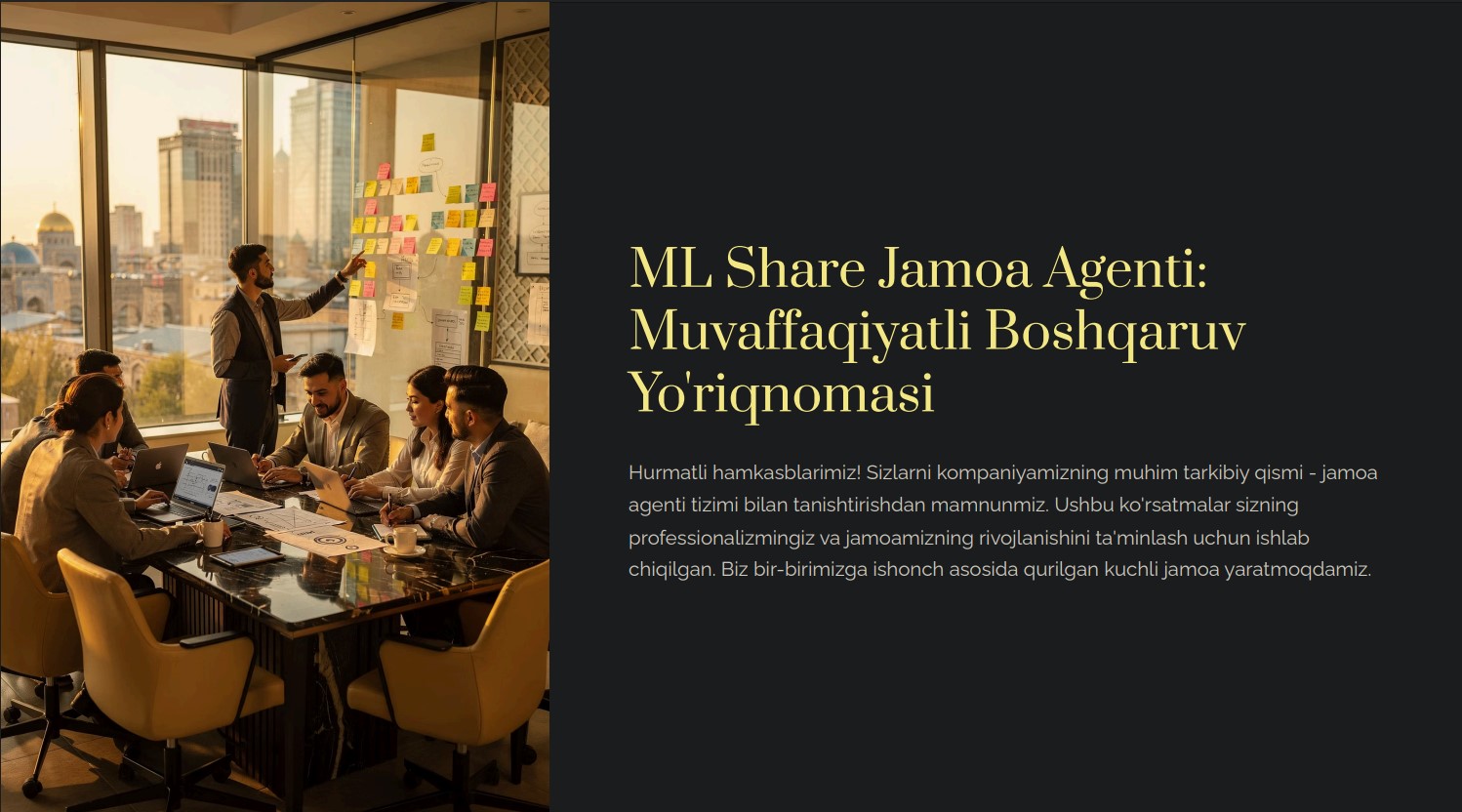
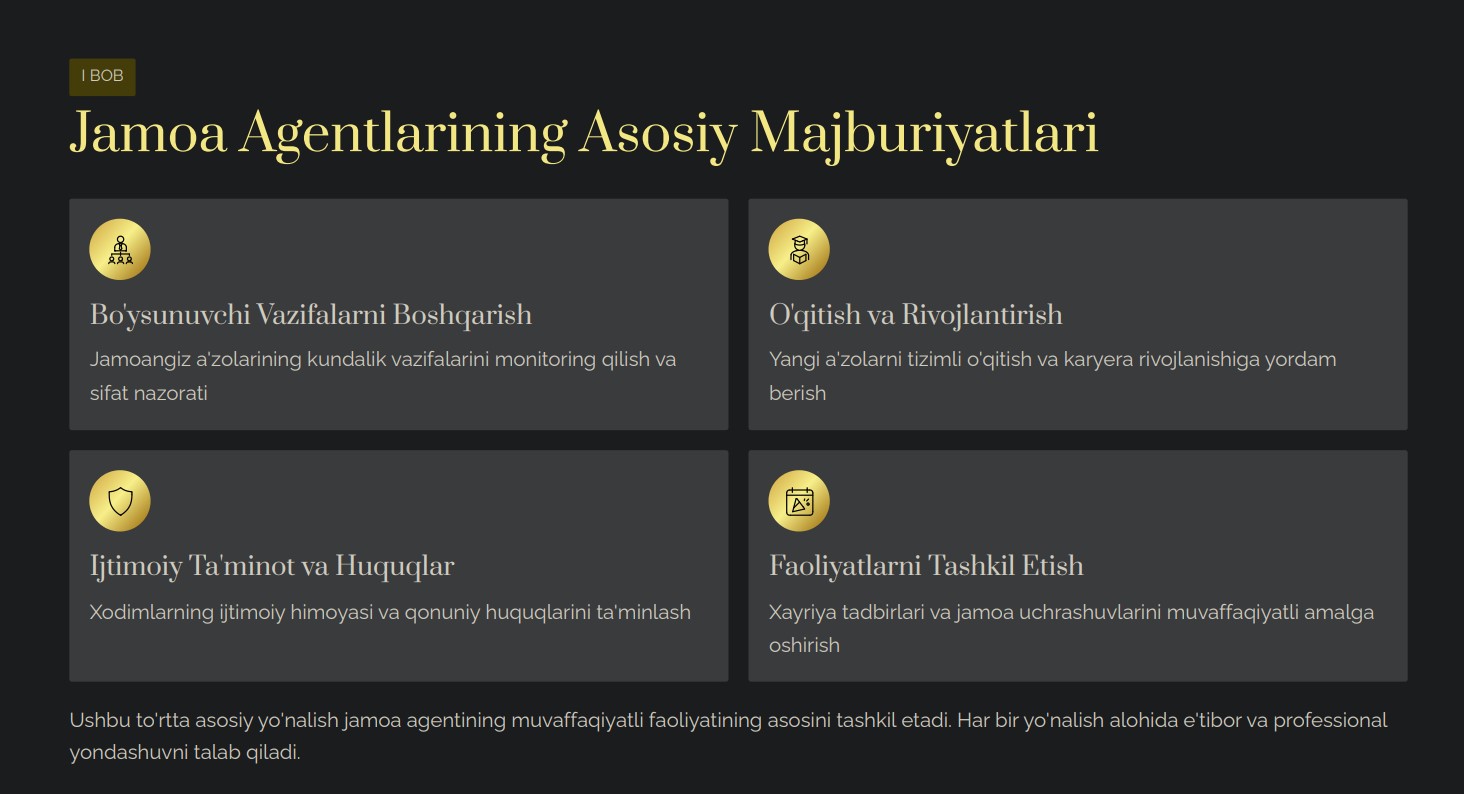
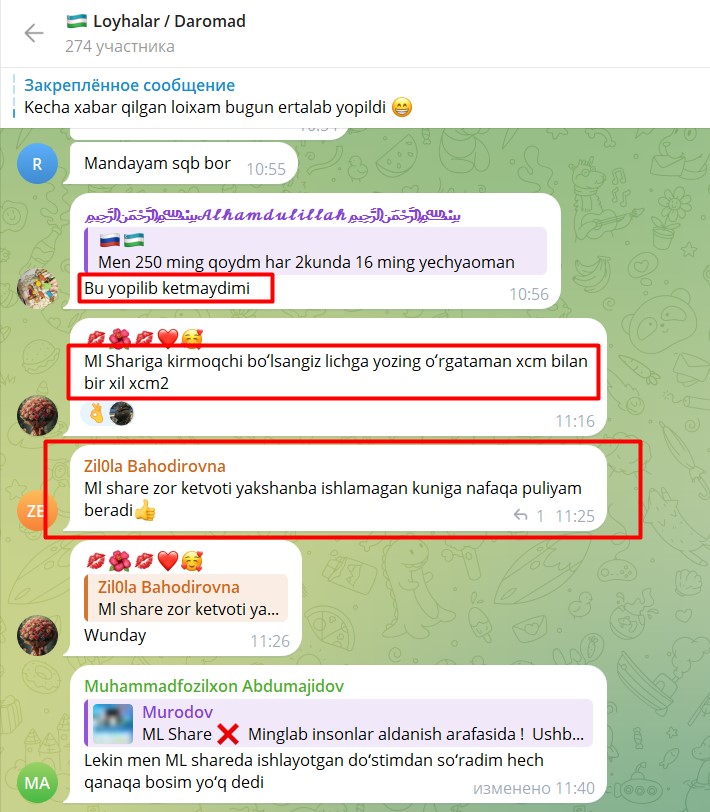
According to investigations and monitoring by local media, Ml Share mirrors earlier schemes such as OMD, PGM, and XCM, which collapsed in succession over the past year after attracting thousands of participants with promises of easy income. Each closure left large numbers of victims facing significant financial losses, in some cases amounting to hundreds of millions of soums.
A familiar pattern
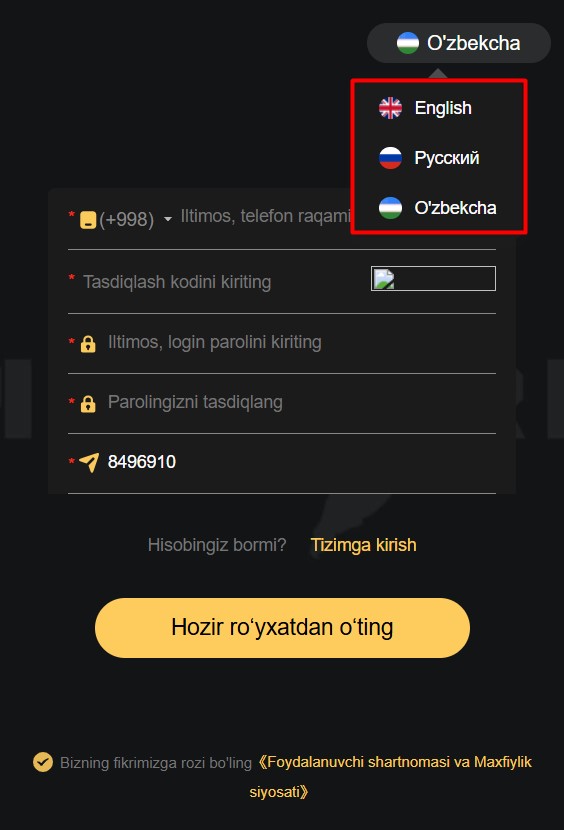
The most recent case follows the shutdown of the XCM pyramid in mid-December 2025. Almost immediately afterward, Ml Share emerged, adopting the same operational model and promotional tactics. Participants are encouraged to invest money in staged packages, from J1 to J9, and earn daily income by completing simple online tasks such as viewing advertisements or liking content.
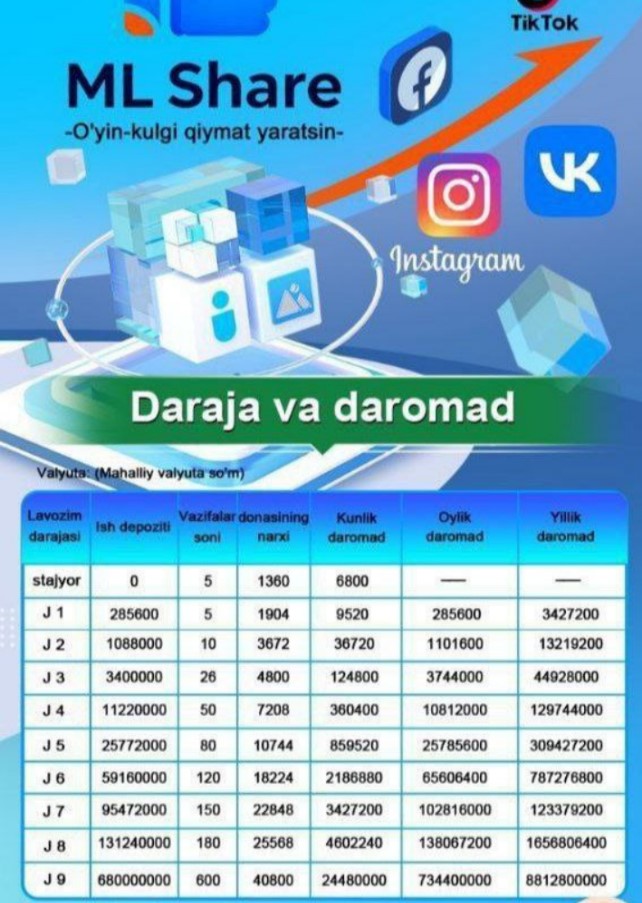
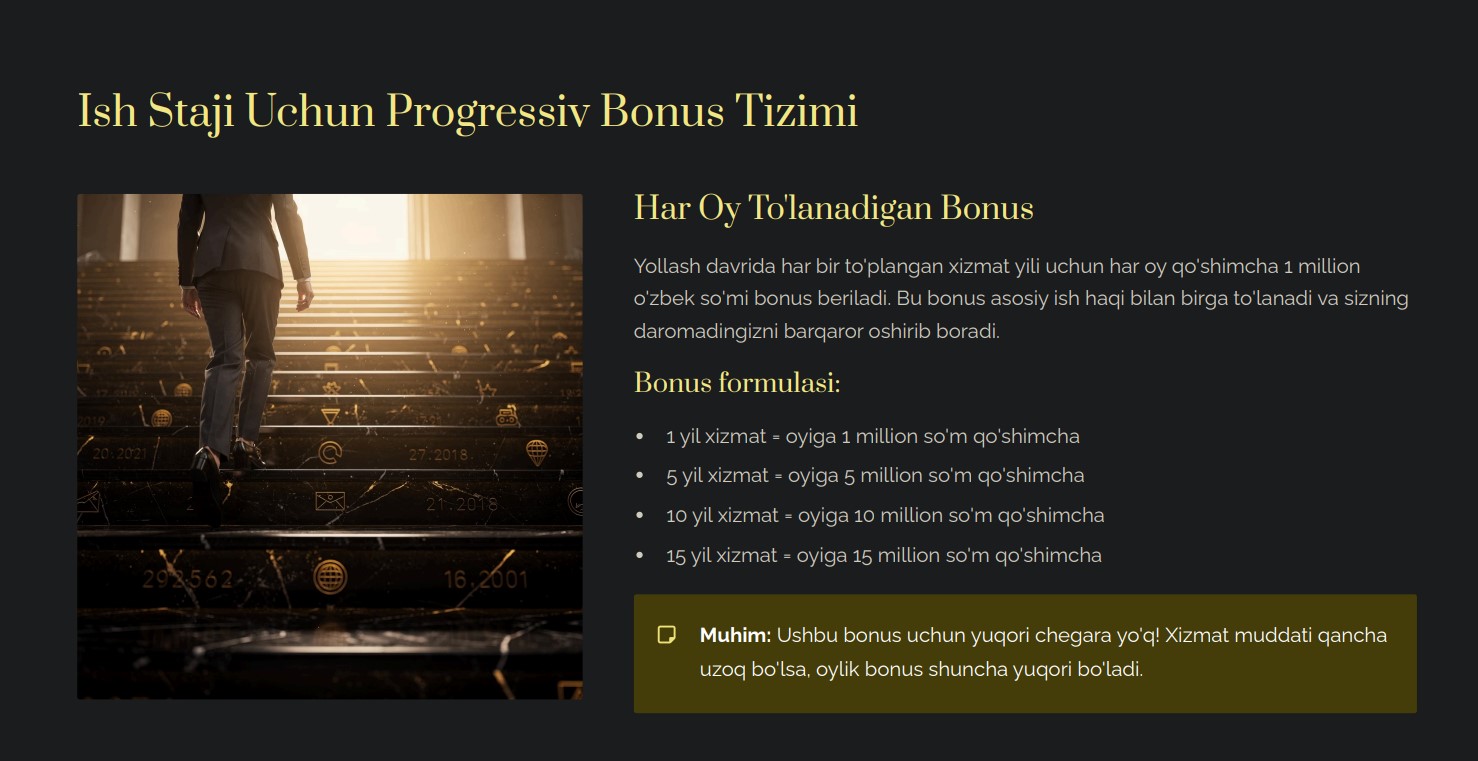
Under the scheme’s promotional materials, a participant investing UZS 285,600 at the lowest J1 level is promised daily earnings of UZS 9,520, while those investing up to UZS 680 million at the highest tier are promised daily returns exceeding UZS 24 million and annual earnings of more than UZS 8 billion. Additional bonuses are offered for recruiting new participants.
Charity as a recruitment tool
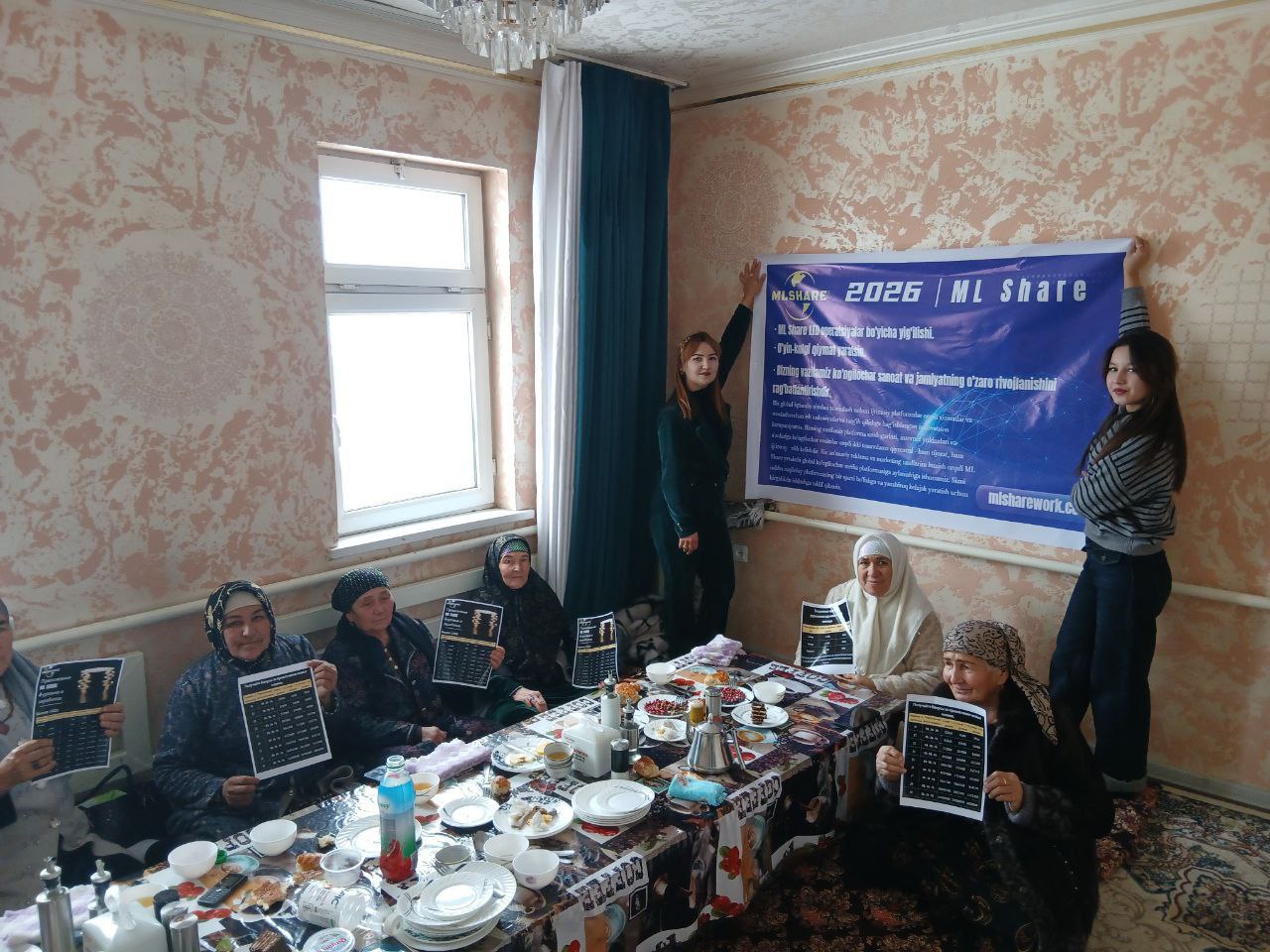
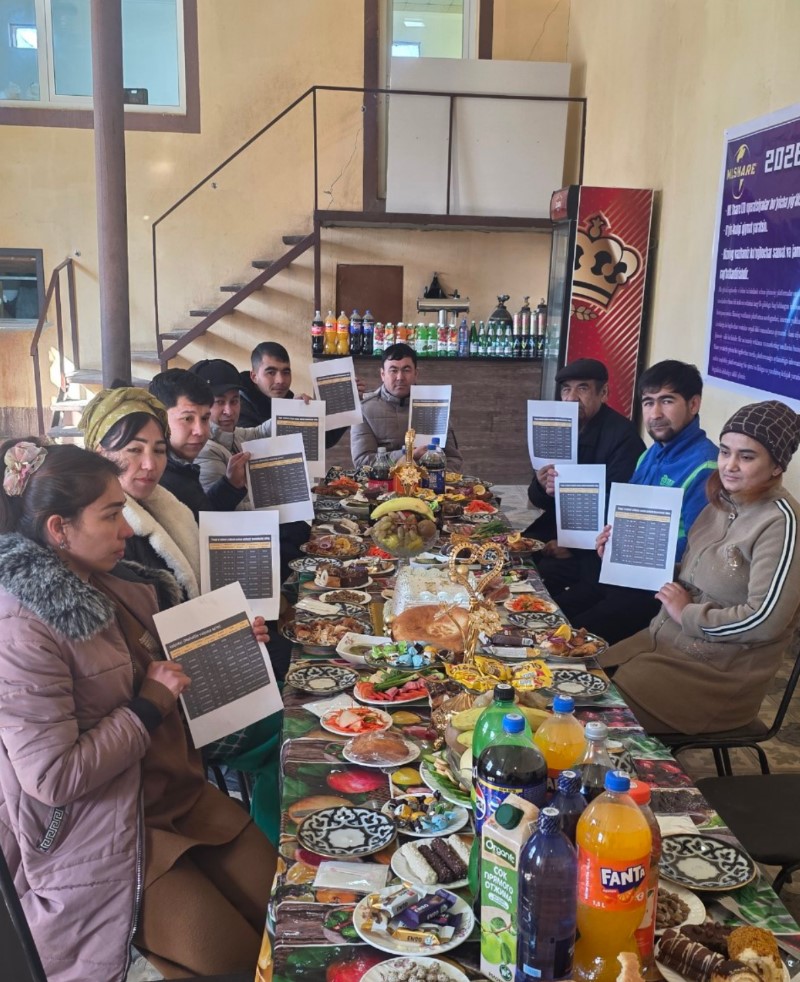
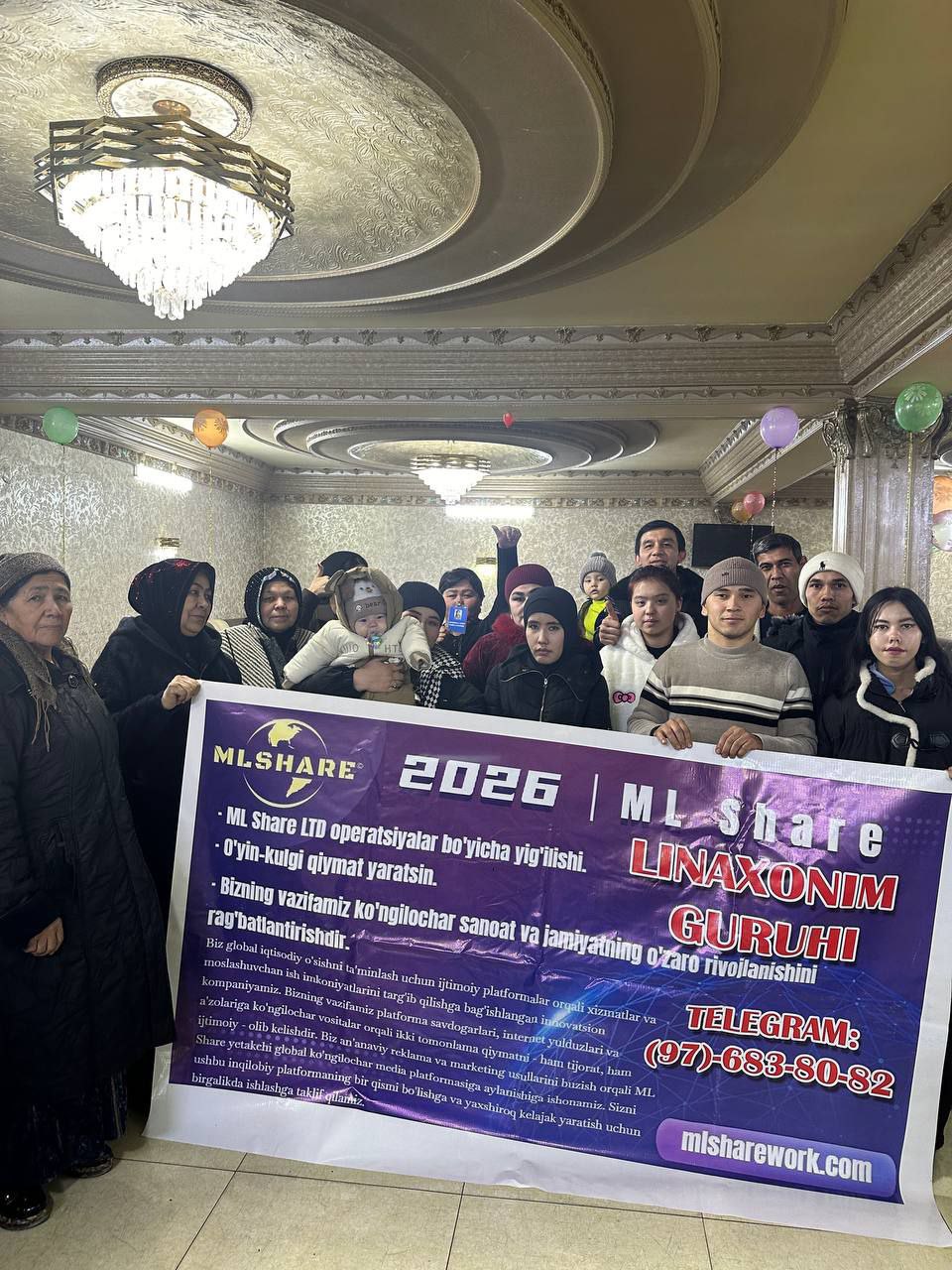
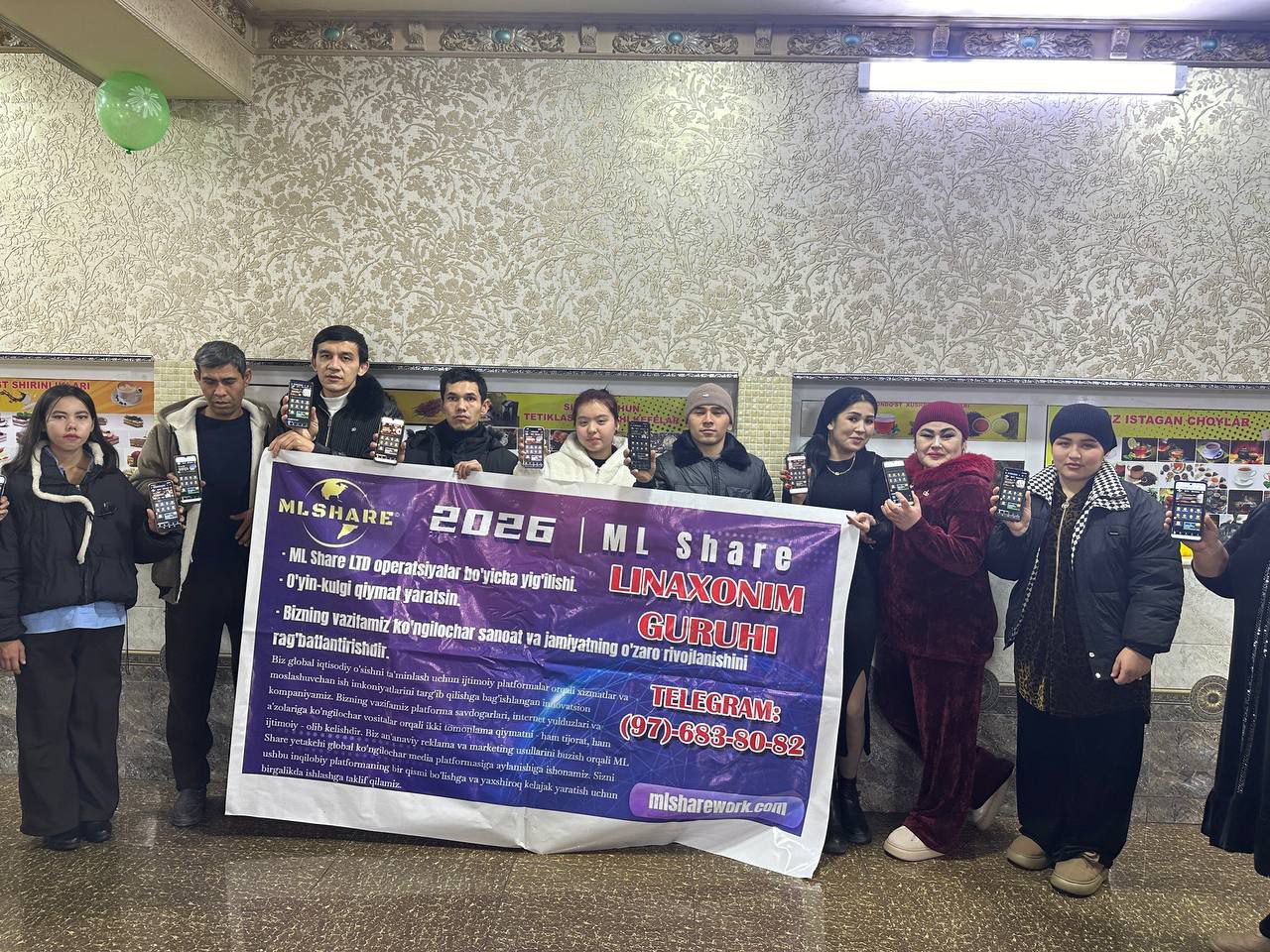
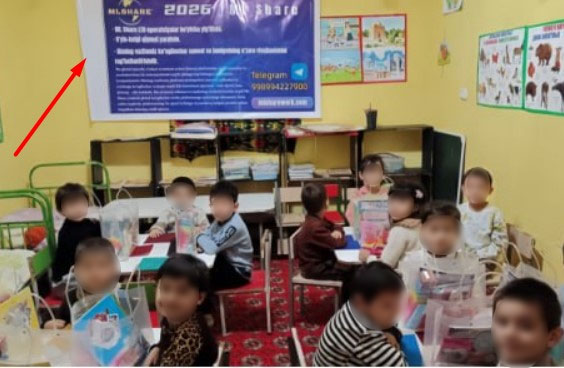
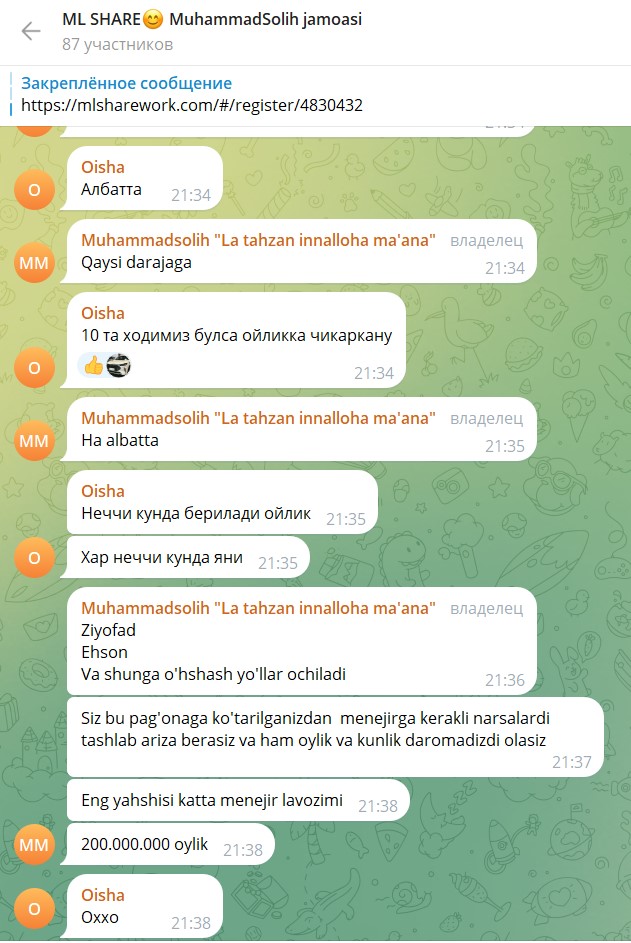
Like its predecessors, Ml Share has intensified its outreach through so-called charitable activities. In recent weeks, banners promoting the platform have appeared at various public events across the country, including gatherings framed as charitable aid distributions.
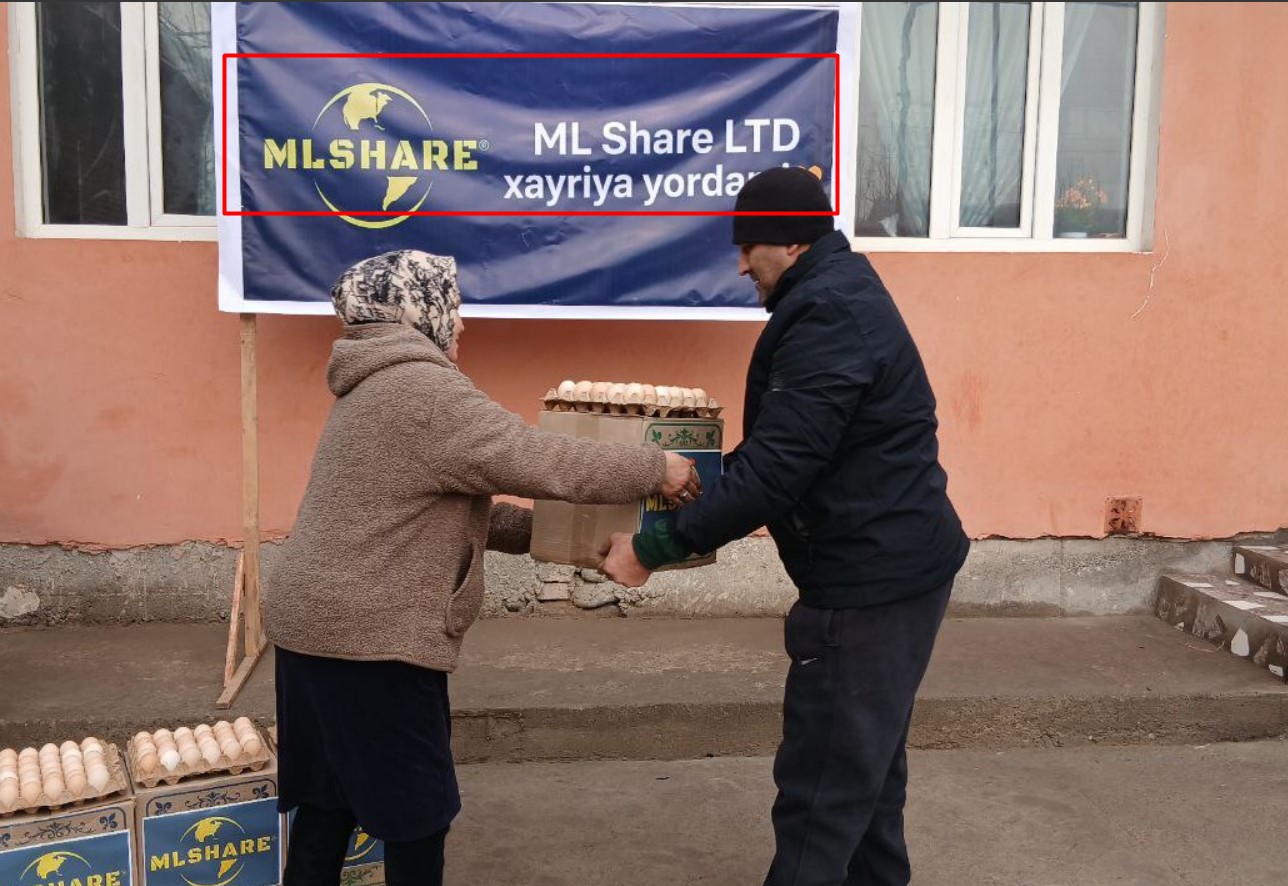
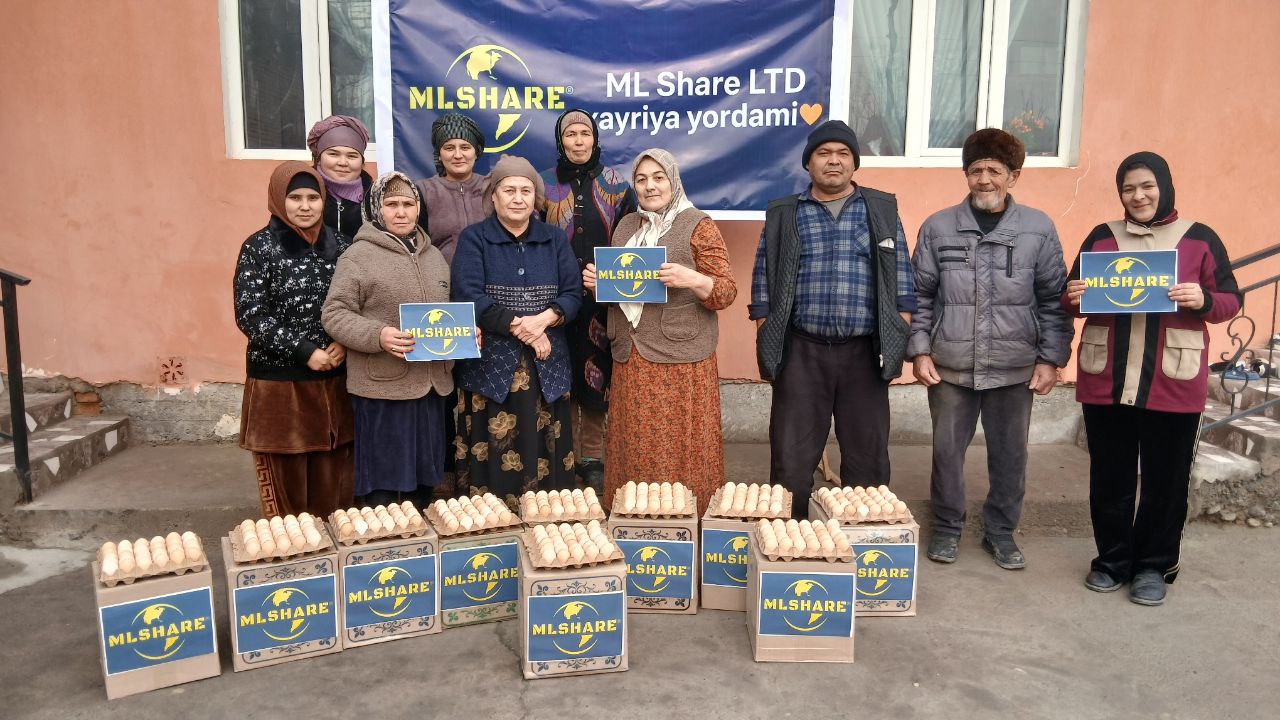
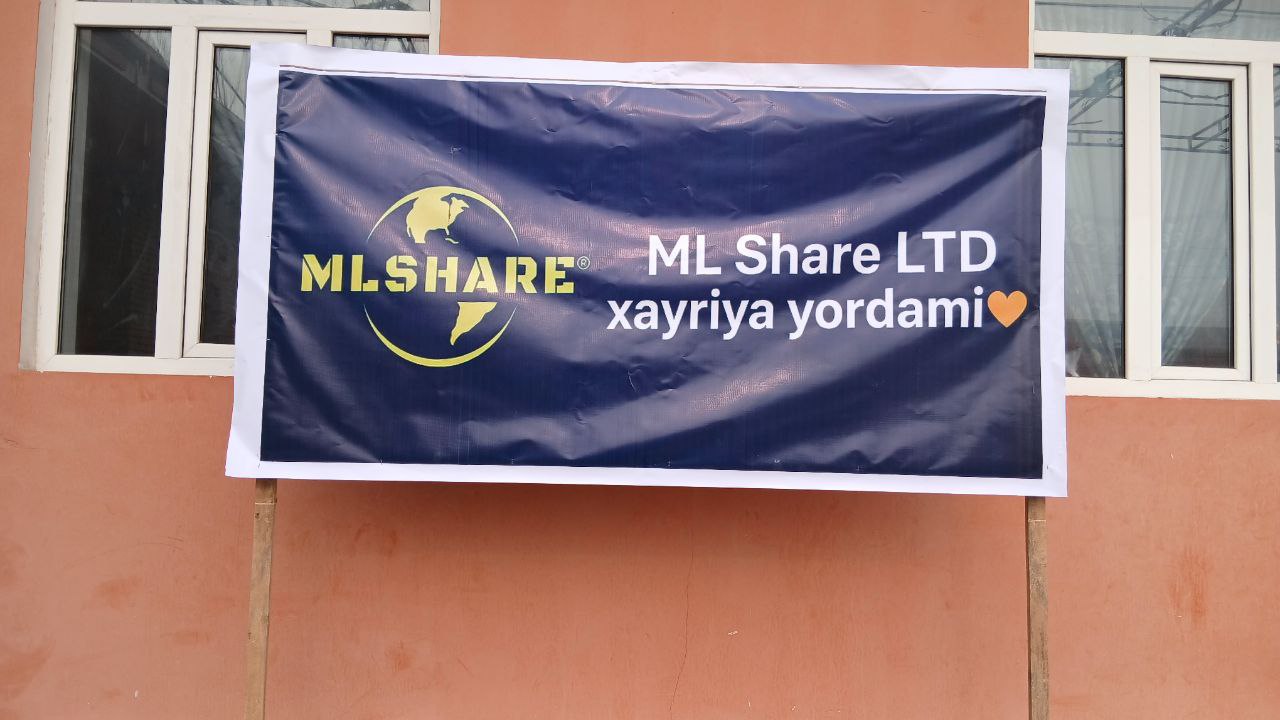
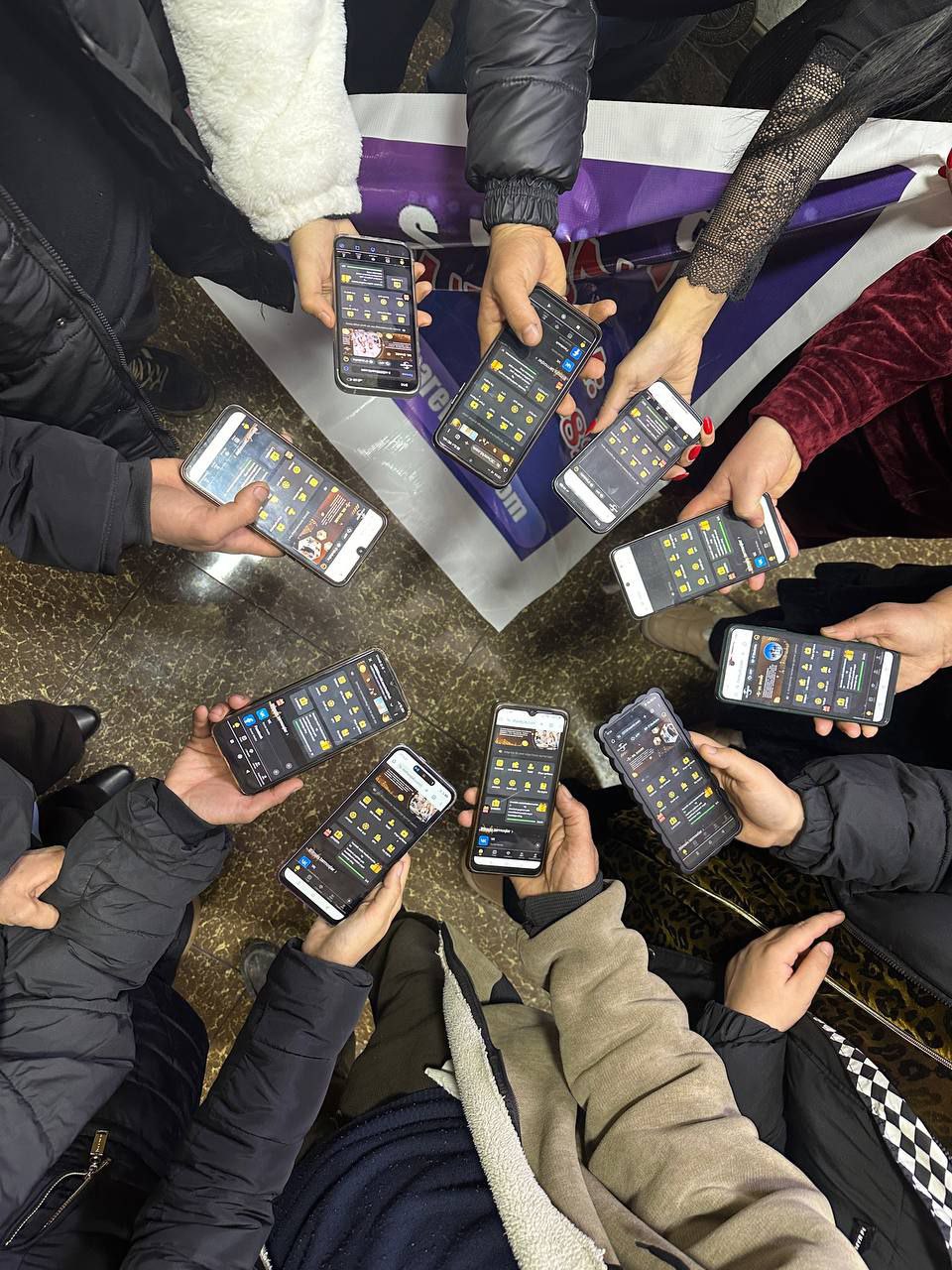
In some cases, residents receive small quantities of basic goods, such as matches, eggs, or cooking oil, while unknowingly being used to promote the platform. Group events, often organized around shared meals, have also multiplied, with expenses reportedly covered by those behind the scheme.