



Additional features
-
Night mode

Tashkent police inspector sentenced to 12 years for running drug laboratory in service apartment
A prevention inspector in Tashkent’s Almazar district has been sentenced to 12 years in prison after organizing a synthetic drug laboratory inside his official service residence and distributing narcotics through online channels, the district criminal court has ruled.
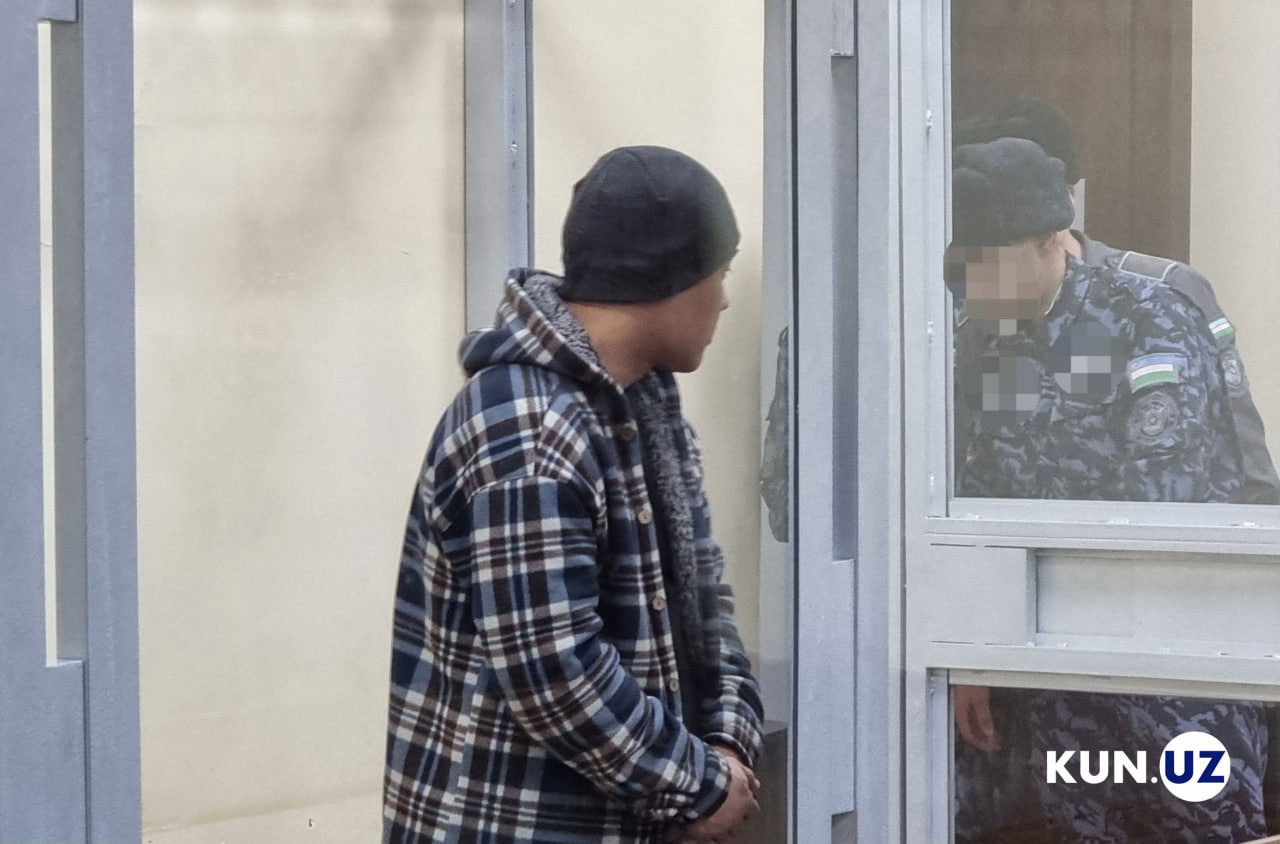
The case was heard at the Almazar District Criminal Court under Judge Alisher Turgunov. The defendant, identified as B.T., born in 1995, had served in the internal affairs bodies since December 2019 and had been working as a prevention inspector in the “Shon-Shuhrat” neighborhood since 2023.
From “dead drop courier” to drug manufacturer
According to case materials, in April 2025 B.T. was recruited via Telegram by an online profile engaged in the sale of synthetic narcotics across Central Asia, including Uzbekistan. Initially acting as a so-called “dead drop” courier, he collected pre-hidden packages of synthetic drugs, repackaged them into smaller quantities, and redistributed them at designated locations. He received payment in cryptocurrency.
Investigators established that from late July to late September 2025, B.T. received $10,831 in cryptocurrency to his digital wallet and conducted transactions totaling $10,112, thereby also violating legislation governing crypto-asset circulation.
In August 2025, under instructions from an online contact operating under the alias “Mikhail Palovich,” the inspector agreed to establish a makeshift laboratory for processing synthetic drugs. To avoid suspicion and remain close to his workplace, he set up the lab inside his official service apartment.
Using equipment delivered to him and guided by online instructions, B.T. processed liquid synthetic substances into ready-to-sell narcotics, including mephedrone. He subsequently distributed the drugs through the “dead drop” method, sending geolocation data and photographs of hiding places to his handlers. For each drop, he reportedly received up to $1,500 in cryptocurrency.
Arrest and seizure
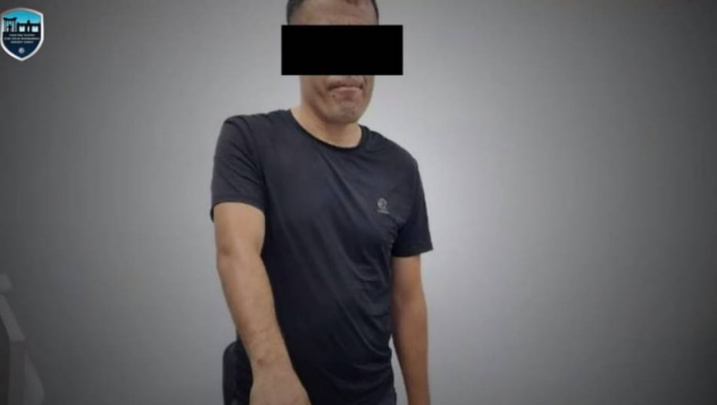
On September 27, 2025, officers of the State Security Service and the Customs Committee conducted a joint operation. B.T., who had been under surveillance, was detained as he exited his service residence.
A search of the apartment uncovered 335 pieces of equipment used for manufacturing and packaging synthetic drugs. Authorities seized 10.5 kilograms of Alpha-PVP, 4 grams of “Spice,” and 588 grams of liquid substance used in drug production. All materials were documented as evidence.
A subsequent search of the inspector’s permanent residence in Tashkent district revealed an additional 430 grams of Alpha-PVP buried and concealed on the property.
Motive and court verdict
During the investigation, B.T. expressed remorse, stating that he had been motivated by a desire to earn “easy money.” He told investigators that he had initially responded to what appeared to be a job advertisement related to cargo transportation, consistent with his academic background in logistics. Facing financial difficulties, including car lease payments, he agreed to carry out assignments that later escalated into drug trafficking and manufacturing.
He also claimed that he continued his illegal activities after being threatened by his online handler with exposure of his earlier actions.
The court found B.T. guilty under Article 25 and Article 273, Part 5 of the Criminal Code (illegal preparation, acquisition, storage and sale of narcotic drugs and psychotropic substances with intent to distribute), as well as under Article 278-8, Part 3(a) (violation of legislation on crypto-asset circulation).
He was sentenced to 12 years of imprisonment.

Related News
11:53 / 30.06.2026
Fergana ecology official caught taking $10,000 bribe to overlook environmental violations
17:53 / 25.06.2026
Security services detain electricity officials over UZS 150 million extortion schemes

18:30 / 24.06.2026
Anti-corruption audit in Tashkent exposes widespread conflicts of interest among officials
15:17 / 24.06.2026