According to the committee's report, in January, the country's total exports amounted to $1.69 billion, a 26.7% increase compared to the same period in 2025. Services accounted for nearly half of these shipments at $742.1 million, followed by industrial goods ($306.7 million) and chemical products ($169 million). However, the absence of gold sales, which typically serve as a primary export pillar, saw the negative trade balance grow by a third, up from $1.83 billion recorded in the previous year.
The pause in sales comes at a time when the Central Bank's international assets have reached unprecedented heights. Reserve assets grew by $8.76 billion (+13.2%) in January alone, surpassing $75 billion. Since the start of 2025, these reserves have surged by more than 82%.
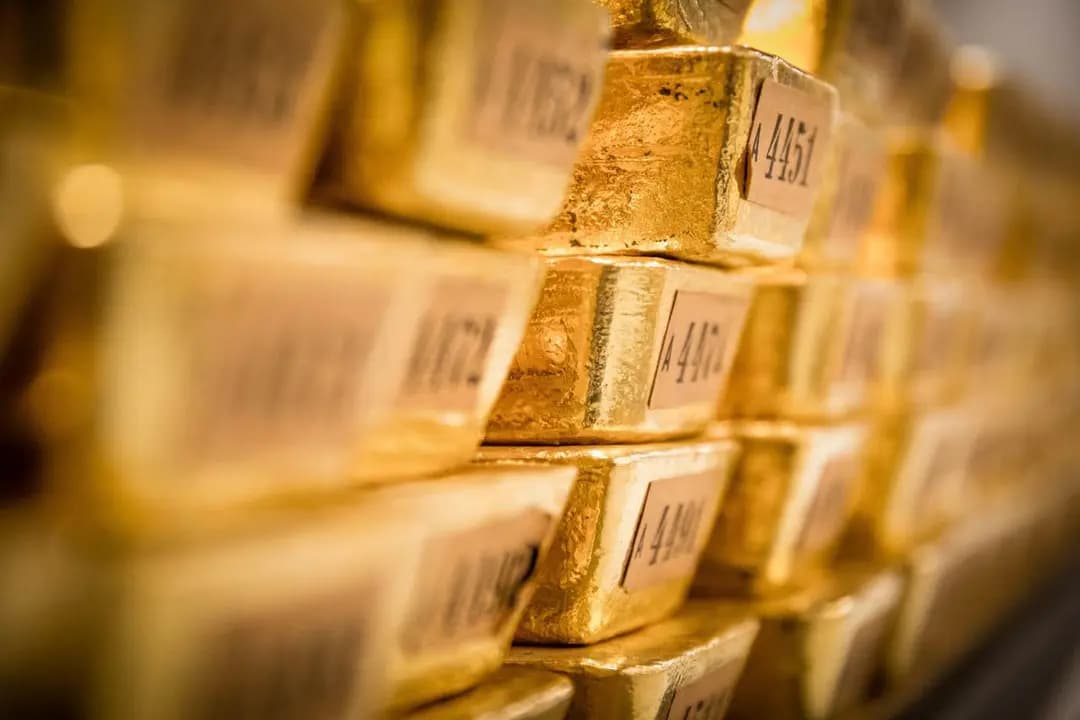
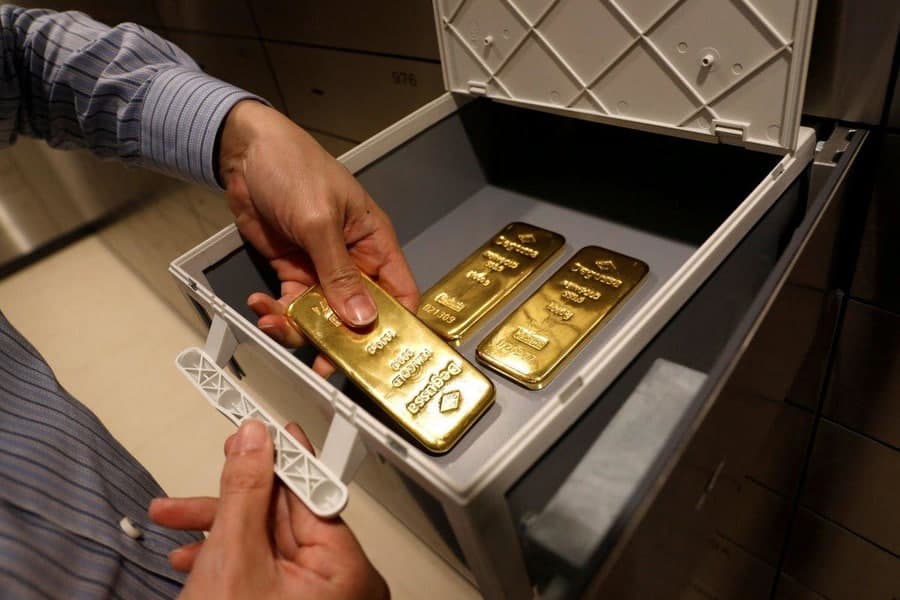
The primary driver behind this growth is the rising value of gold held in the regulator's vaults, which reached $64.97 billion by the end of January. This represents a monthly increase of $9.88 billion (+17.9%). During this period, the physical volume of gold holdings also edged upward, rising from 12.6 million to 12.8 million troy ounces (approximately 398.1 tons).
The current export hiatus follows a record–breaking year for the sector. In 2025, Uzbekistan’s gold exports exceeded $9.9 billion, establishing a new historical peak. The last significant sale occurred in September 2025, when the republic exported gold worth $1.47 billion.
The Navoi Mining and Metallurgical Company (NMMC), the nation's primary gold producer, reported a total production value of 135.6 trillion UZS (approximately $11.3 billion) for 2025. While the monetary value of its output rose significantly due to global market trends, physical production saw a more modest increase of 2.1%, rising from 96.14 tons to 98.18 tons.