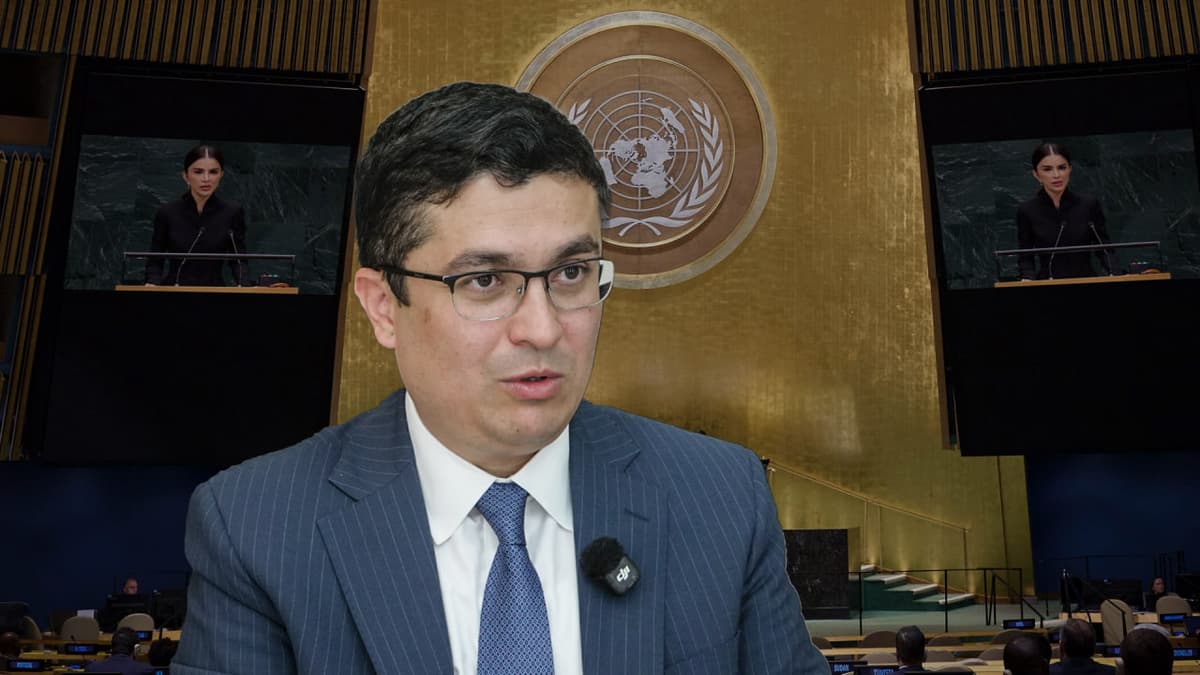
Speaking to media representatives, Mohammad Ali Eskandari described the recent attack by the United States and Israel as unfair, noting that it occurred while negotiations were still ongoing and shortly before a planned visit by the US Vice President to the region.
“I can say with pride that we have not asked any country for help. We believe we have the strength to defend ourselves. Today we are not fighting the United States or Israel alone – we are confronting a mindset that seeks to dominate everything,” the ambassador said.
According to Eskandari, Iran is prepared to face difficulties but expects to overcome them.
The ambassador also referred to statements made by the Presidents of Uzbekistan and Kazakhstan, who expressed sympathy for Arab countries that came under missile attacks after the escalation of military conflict in the region.
The Embassy of Iran in Uzbekistan also reported that President Shavkat Mirziyoyev had sent a message of condolence following the death of Iran’s Supreme Leader Ali Khamenei.
According to the ambassador, both the Uzbek people and official Tashkent have shown solidarity with Iran during the current crisis.
When asked about civilian casualties, Eskandari said Iran faces a coalition of powerful opponents, including the United States, Israel, and Western allies that have supported Israel for decades.
He noted that Israel has long invested in civil defense infrastructure, including shelters used to protect the population during attacks. Iran, however, cannot build enough bomb shelters across the entire country due to financial and logistical constraints, he said.
The ambassador also claimed that many Iranian citizens have taken to the streets to protest during the attacks rather than remaining indoors.
He further alleged that when bombs strike certain locations, local residents gather to assist victims trapped under rubble, after which additional strikes sometimes target the same area.
Eskandari also commented on the killing of Ali Khamenei, saying such actions contradict international legal norms and that heads of state are typically granted immunity.
According to the ambassador, Khamenei lived a modest life and rejected offers to move into palaces or heavily fortified residences.