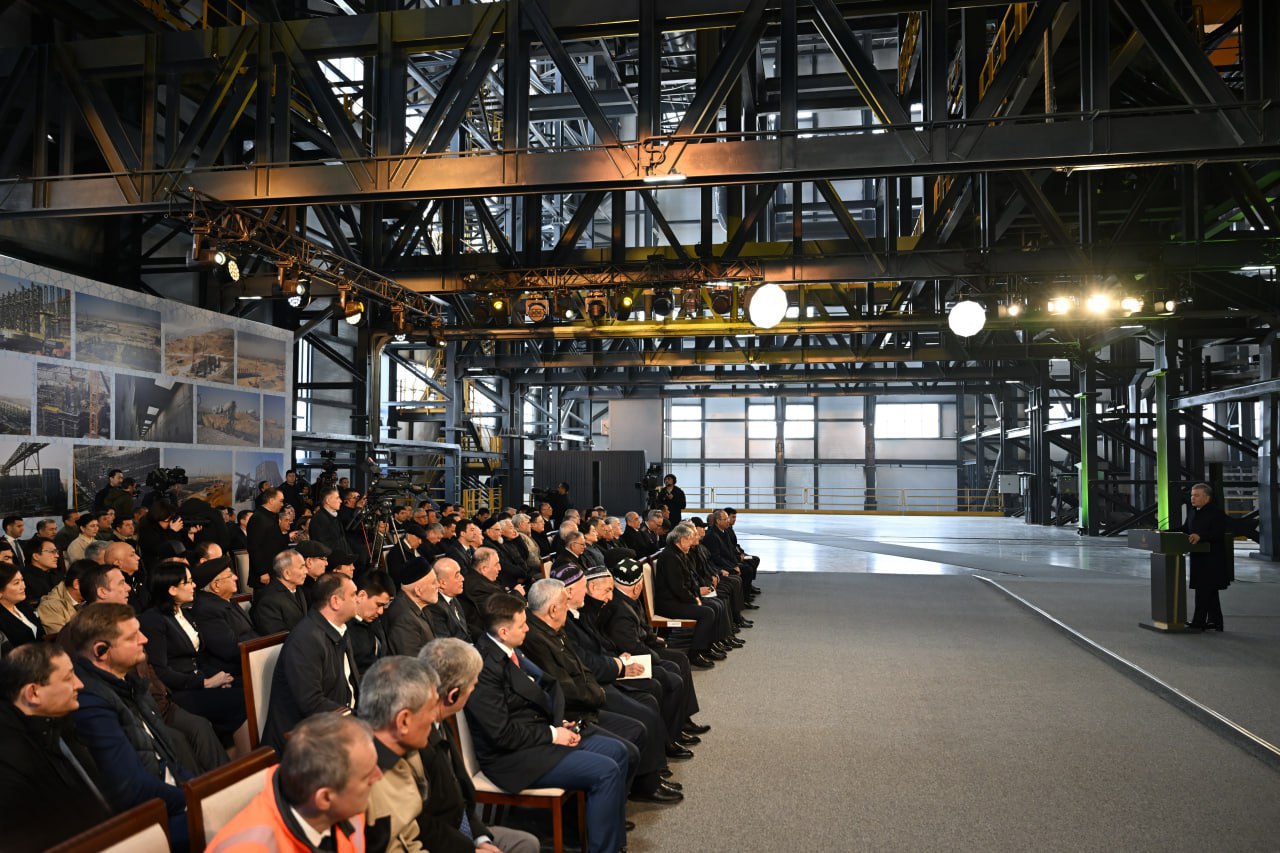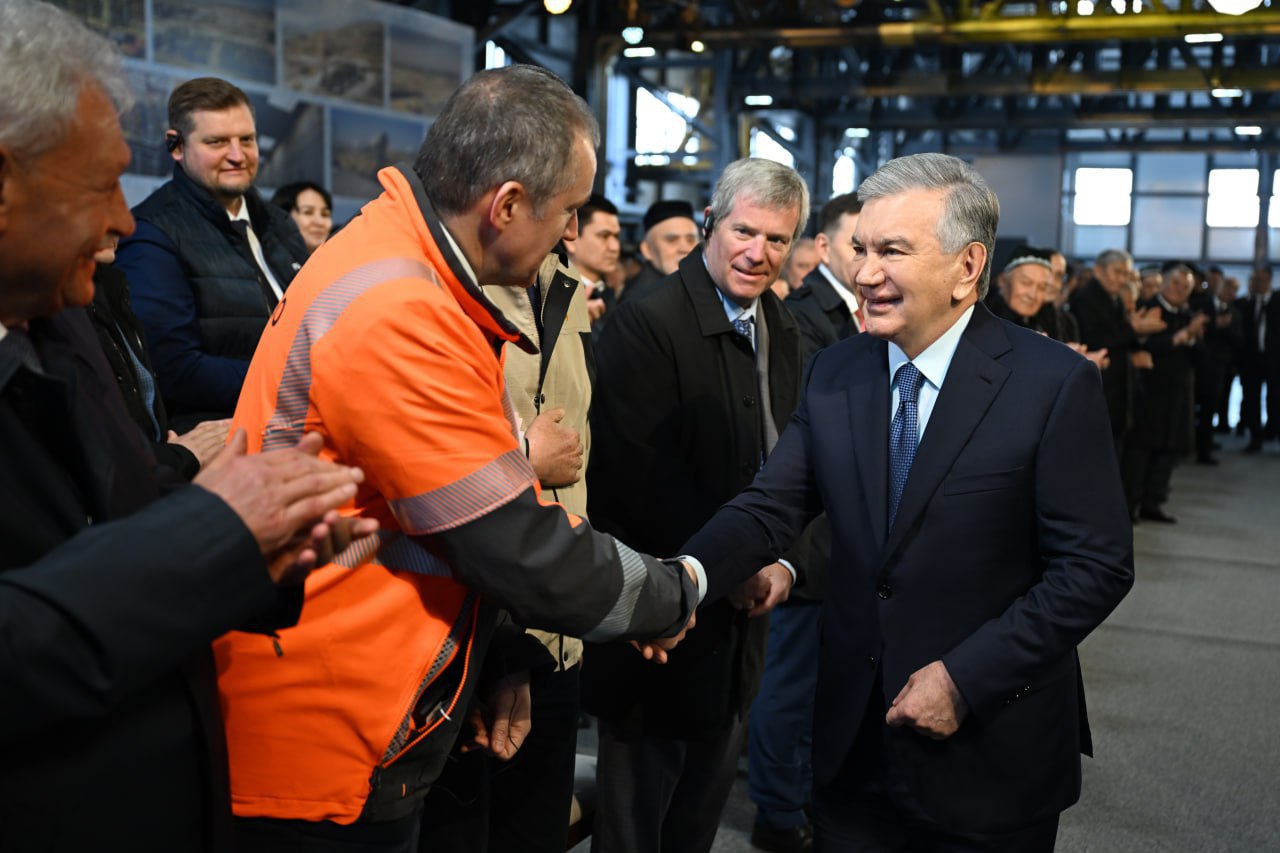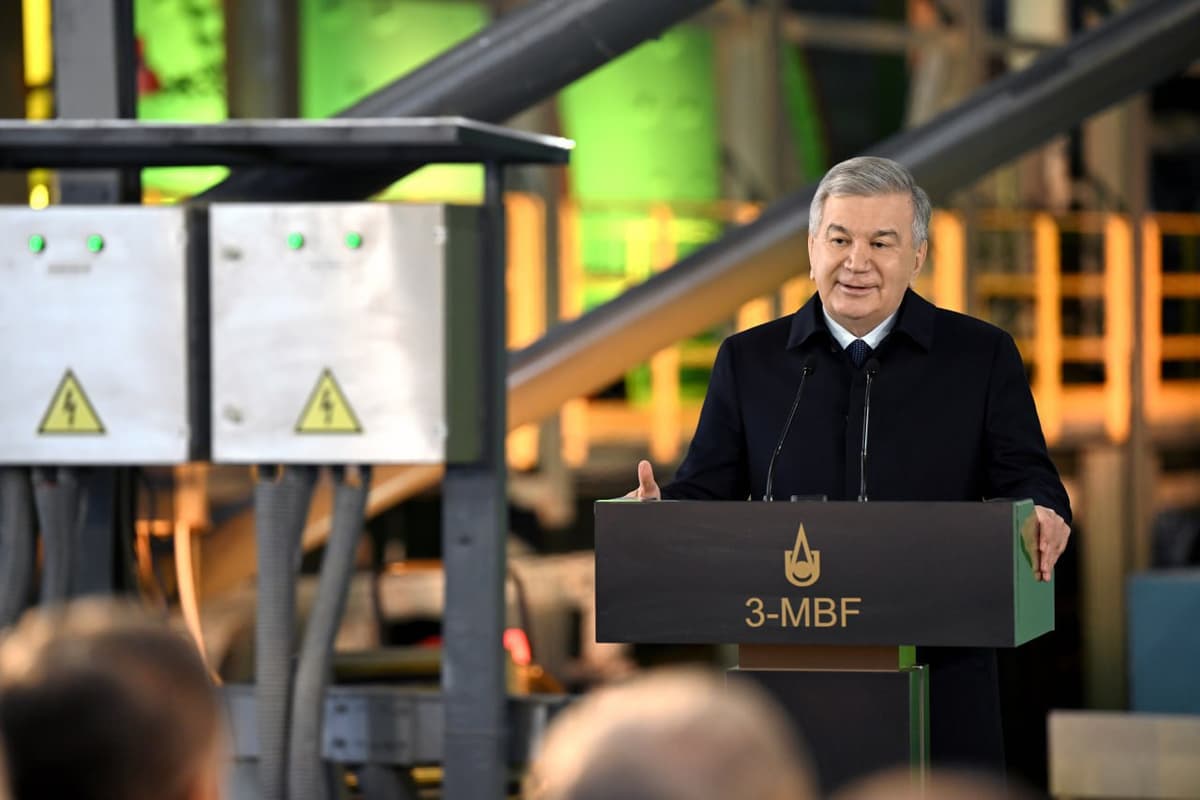
The new Copper Concentrator No. 3 was launched during the president’s visit to the industrial complex in Almalyk on March 16. During the trip, Mirziyoyev also held a meeting to discuss measures to accelerate large investment projects in the mining sector.
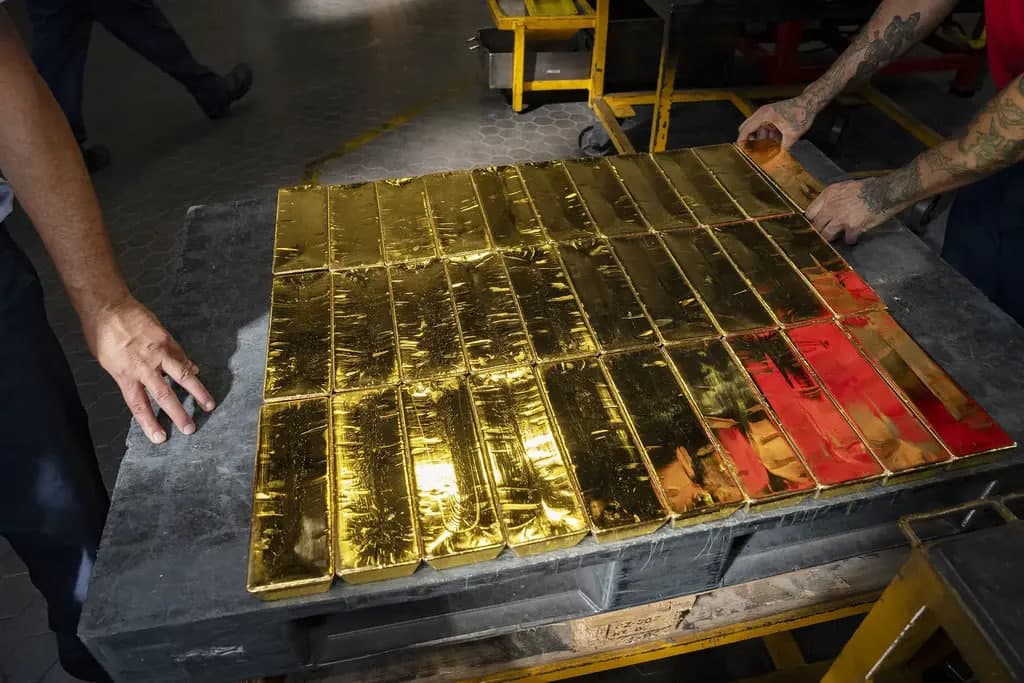
Officials noted that the copper deposits at the Yoshlik-1 deposit and Kalmakyr deposit contain around 45 million tons of copper and more than 5,000 tons of gold, providing a guaranteed raw material base for the country’s industry for at least 100 years.
$2.7 billion concentrator among the largest in the world
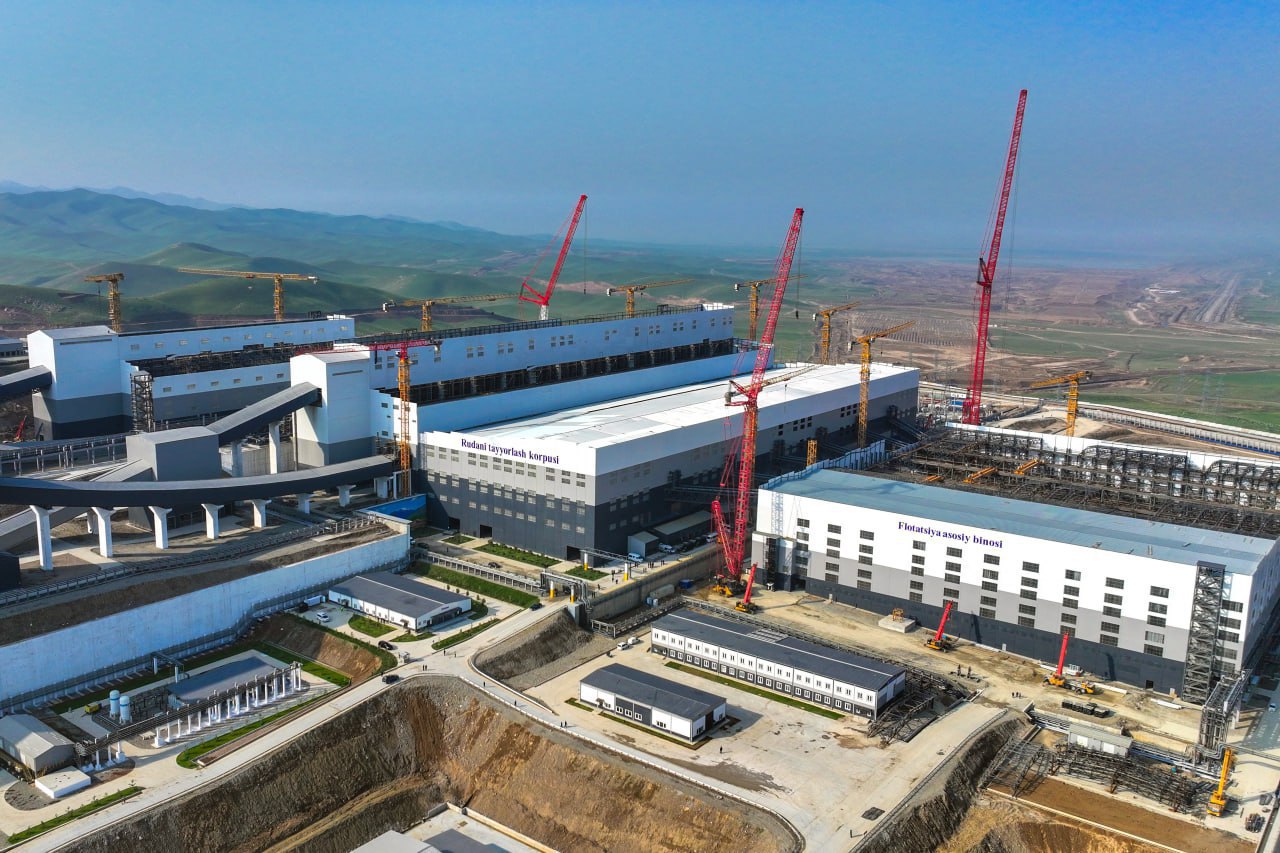
The newly launched facility forms part of the development program for the Yoshlik-1 deposit and represents an investment of $2.7 billion.
Built on an area of 196 hectares, the plant is capable of processing 60 million tons of ore per year and producing about 900,000 tons of copper concentrate annually. According to officials, this makes it one of the largest copper processing facilities not only in Central Asia but also globally.
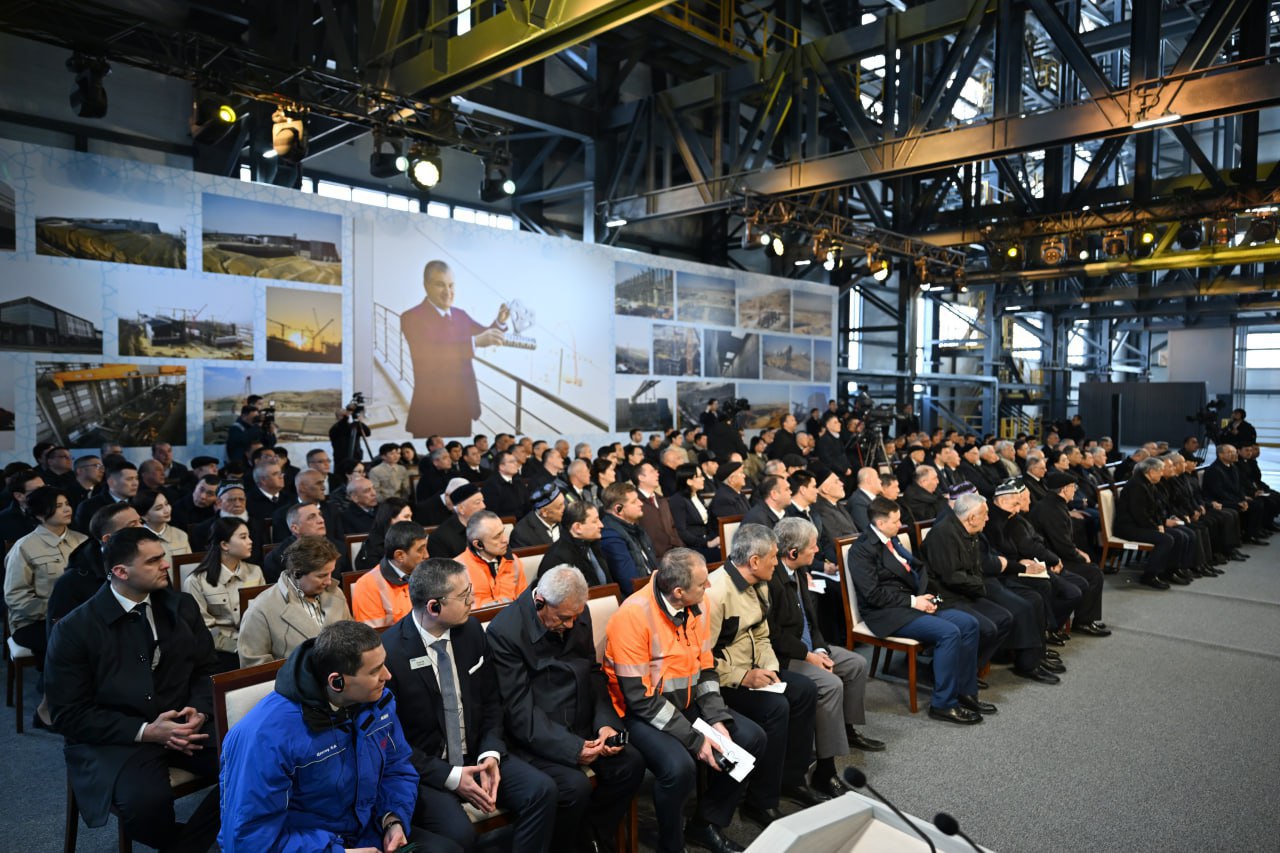
The project involved international engineering and technology partners, including Wood, Worley, Metso, FLSmidth, Weir Minerals, and Siemens.
Construction required enormous volumes of materials. Officials noted that the amount of metal structures used would be sufficient to build ten towers the size of the Eiffel Tower, while the reinforced concrete volume would be enough for roughly 2.5 structures comparable to the Burj Khalifa.
Production capacity and jobs expected to increase
Once fully operational, the new concentrator will increase the daily output of copper concentrate at the Almalyk Mining and Metallurgical Combine from 2,400 tons to 5,000 tons.
The project is also expected to create more than 6,000 high-income jobs, many of them aimed at young professionals.
Advanced mining technologies from companies in the United States, Germany, Russia, China, and Finland are being introduced at the plant.
All production processes will be digitalized and integrated into a unified management system using artificial intelligence. As a result, energy consumption is expected to decrease by 10%, production costs by 15%, while labor productivity is projected to rise by 10%.