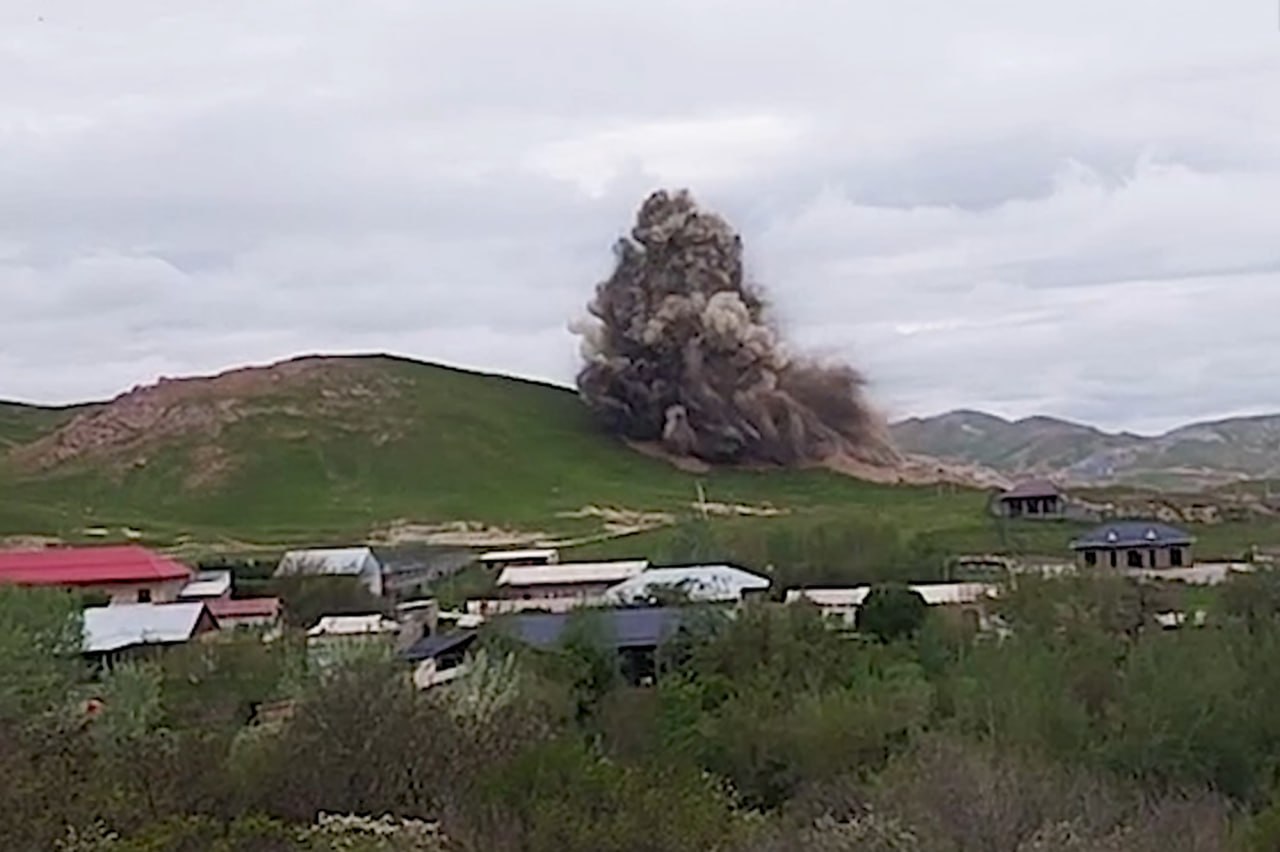
According to witness accounts, the explosion caused rocks to pierce through metal roofing and created deep fissures in the walls of residential properties. One resident, Davron Qoysinov, showed journalists a large rock that had crashed through his roof, noting that the outcome could have been fatal had anyone been in the room at the time. Others described a scene of chaos where thick dust clouds blanketed courtyards, leaving families in a state of shock. Surveillance footage from the area captured a young girl and her grandfather paralyzed by panic as the sound of the blast echoed through the village.
Regulatory failures and safety violations
The Ministry of Mining Industry and Geology has officially responded to the incident, admitting that the explosion resulted in a "deviation from technological regulations." While official safety standards require a 300-meter buffer zone between blasting sites and residential areas, the ministry confirmed that rocks traveled as far as 357 meters.
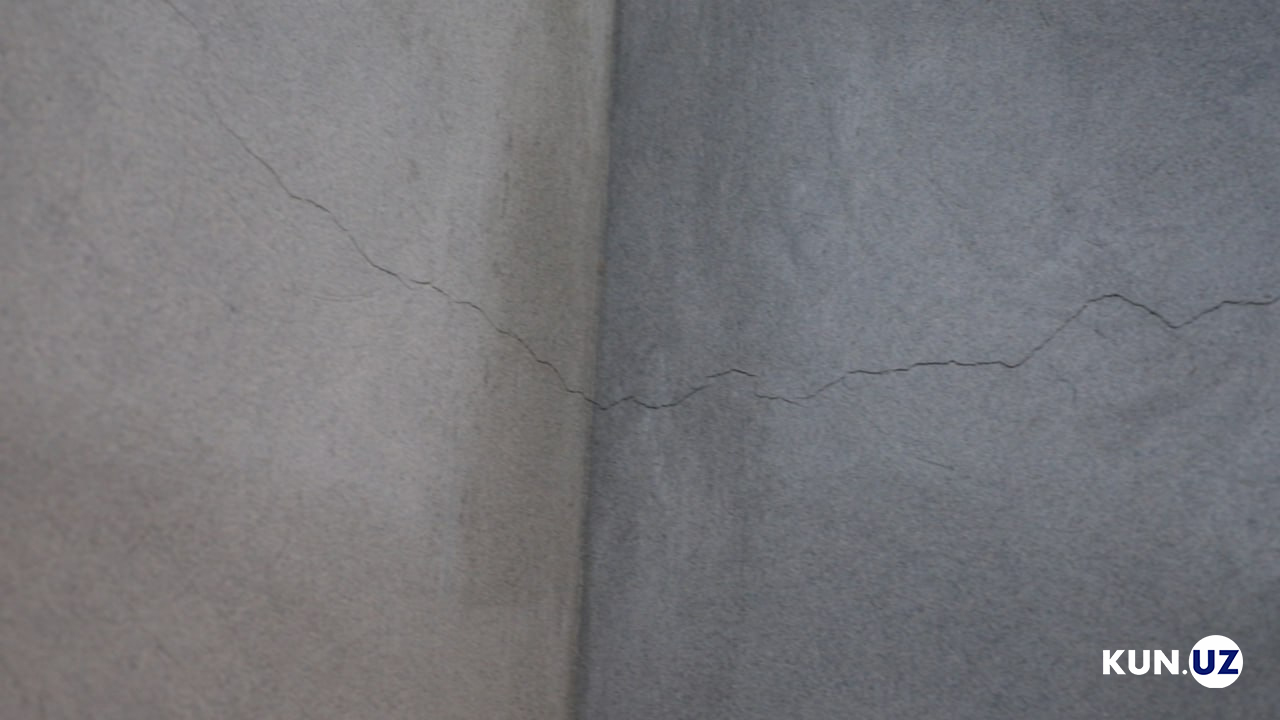
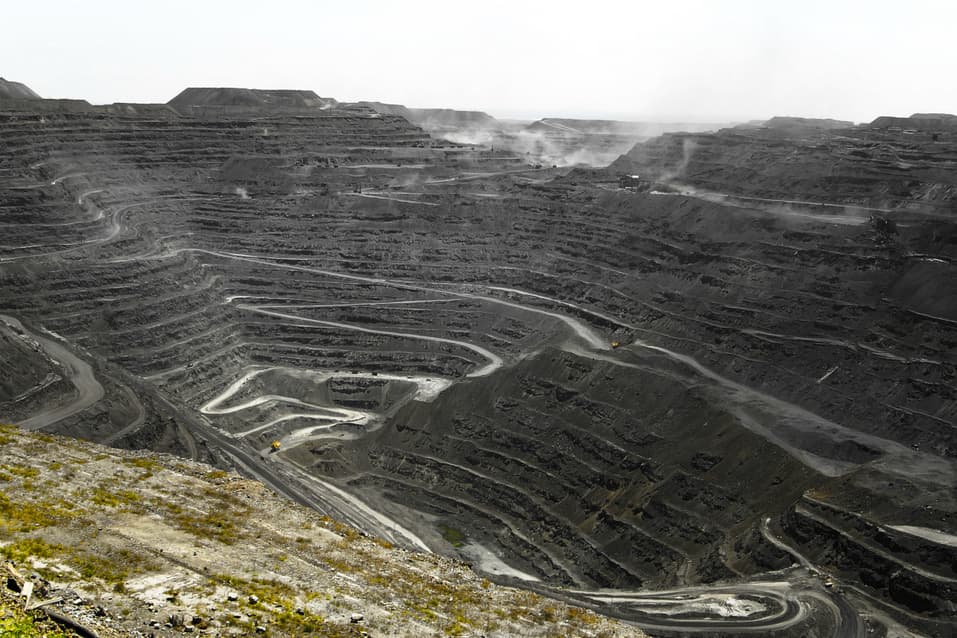
The "Mironqul-III" mine is operated by Agro Technology Group LLC, which holds a license to use the subsoil until 2042. The actual blasting was performed by a contractor, Hisor Tog LLC. Despite the company’s claims that they were operating within a safe distance of 450–500 meters, the physical evidence of damage to homes located just 357 meters away has forced regulators to take action.
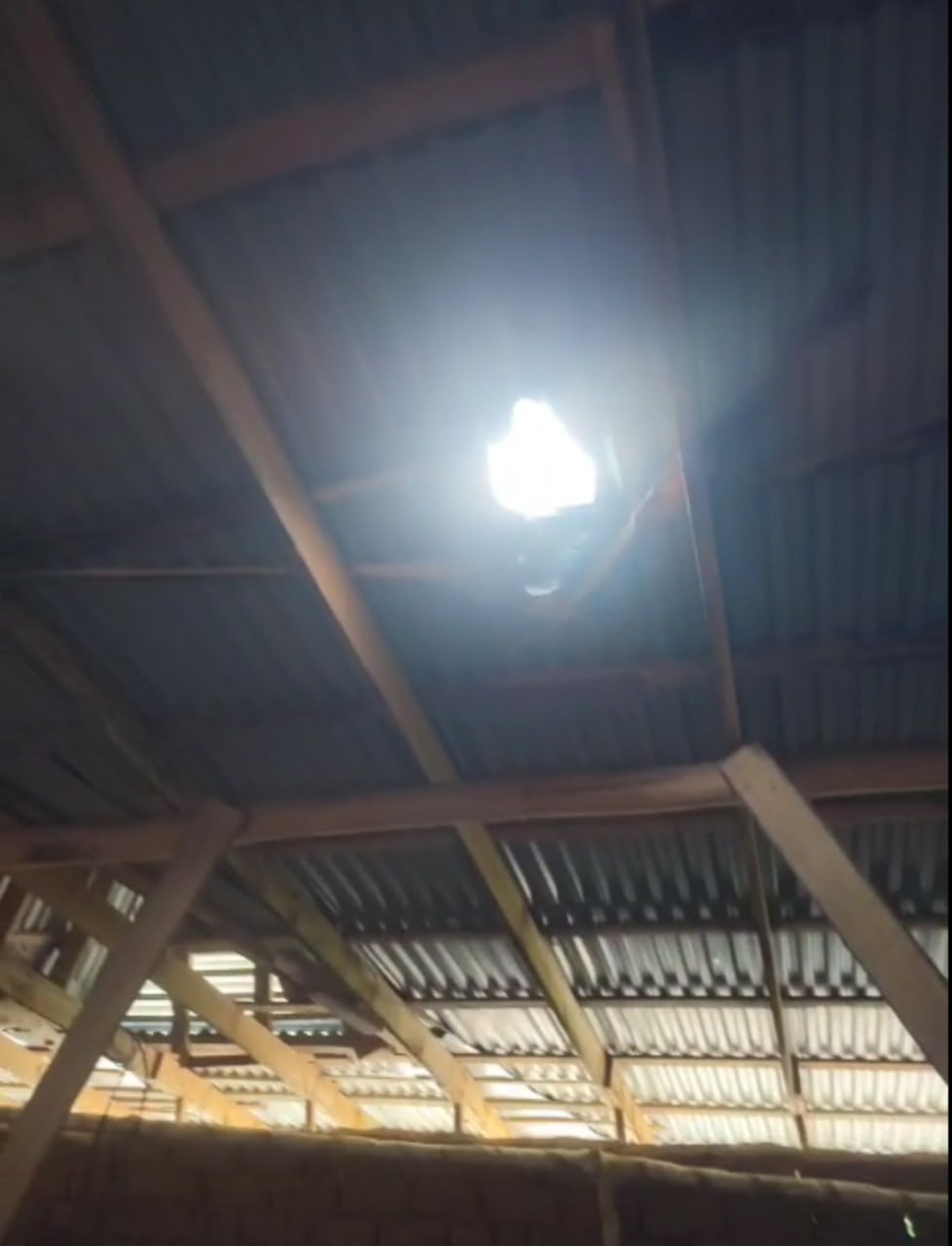
The ministry stated that the company has since compensated residents for property damage. To prevent future incidents, authorities have ordered the company to reduce its blasting volume from 10 tons to 5 tons and explore alternative, safer methods for softening rock mass. Future operations will also require the installation of a siren system to warn the public.
Questions over "tourism village" status
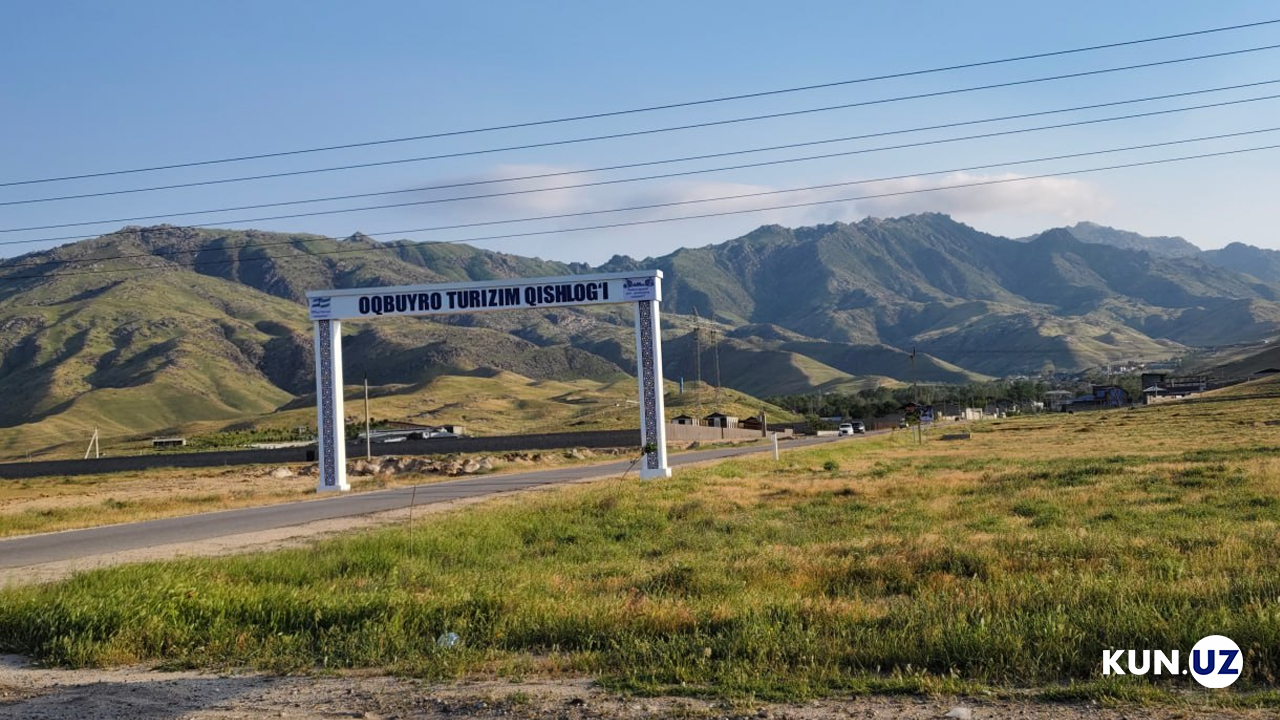
The incident has sparked a wider debate regarding the ecological and legal status of the area. Under a 2020 government resolution, Oqboyra and neighboring Ohalik were granted "tourism village" status – a designation intended for regions with high ecological stability and tourism potential. Residents and environmental advocates are now questioning how heavy industrial mining and high-capacity explosions can coexist with a mandate for sustainable tourism.
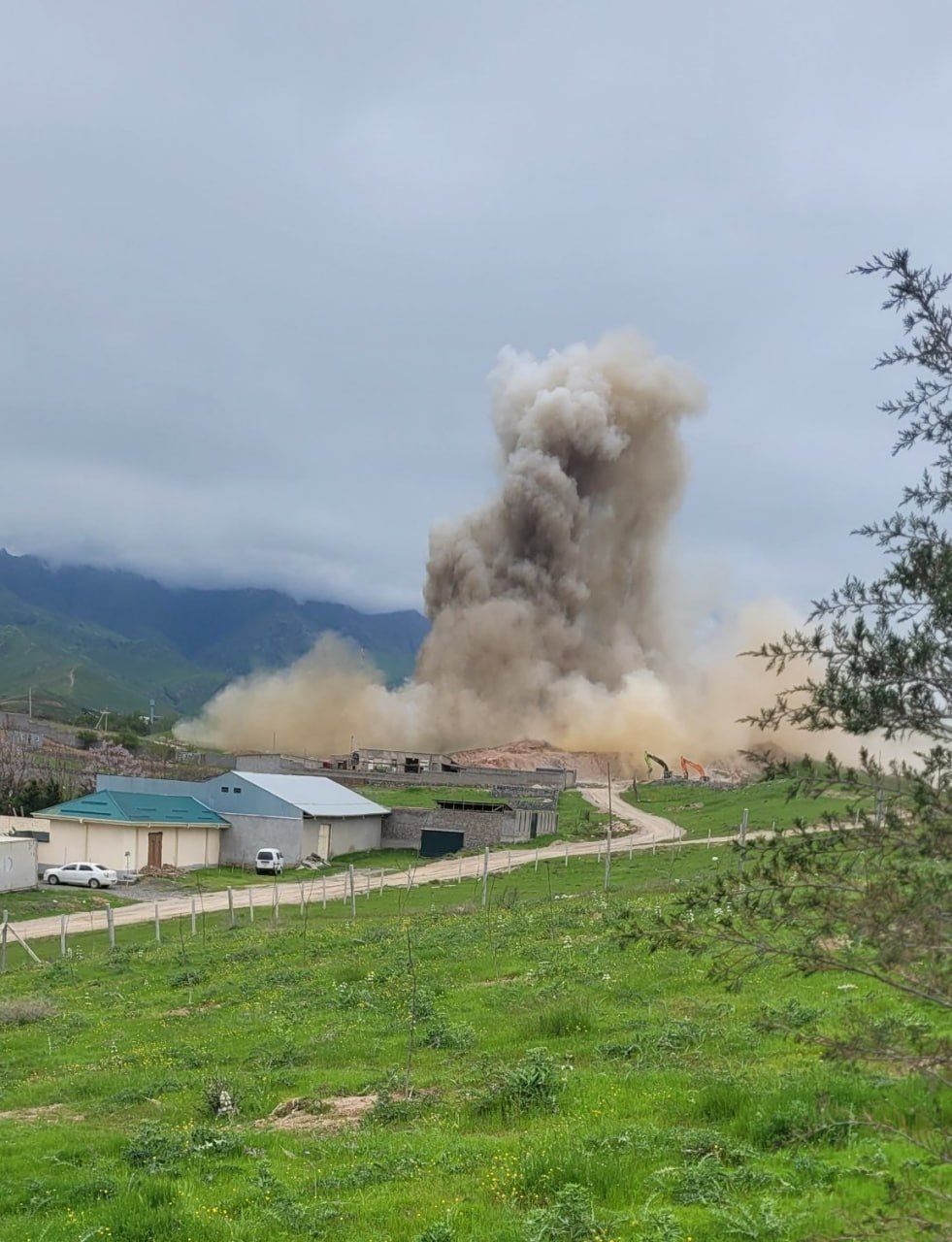
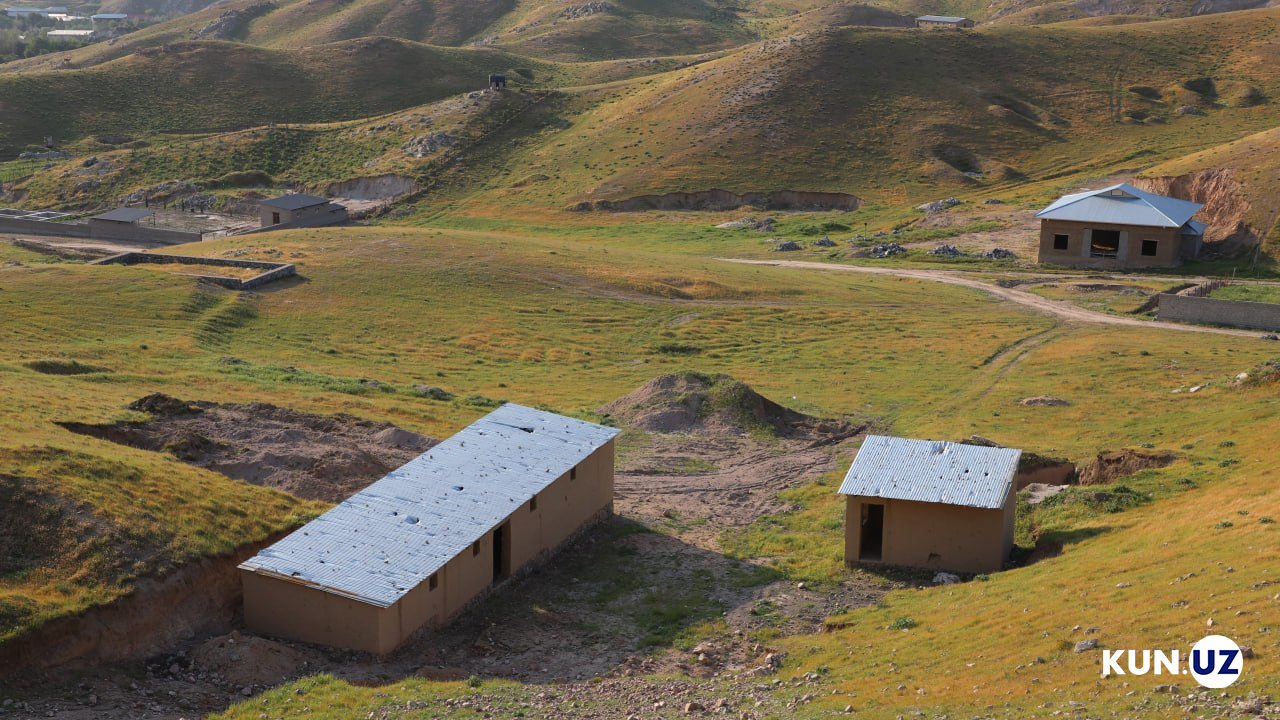
While officials investigate the causal link between the blasts and the cracks in village homes through the Institute of Seismology, local anxiety remains high. Reports have emerged that another mining group is currently preparing for further blasting nearby. The Ministry of Mining has warned that any repeat violations could result in the immediate suspension of the subsoil use license.