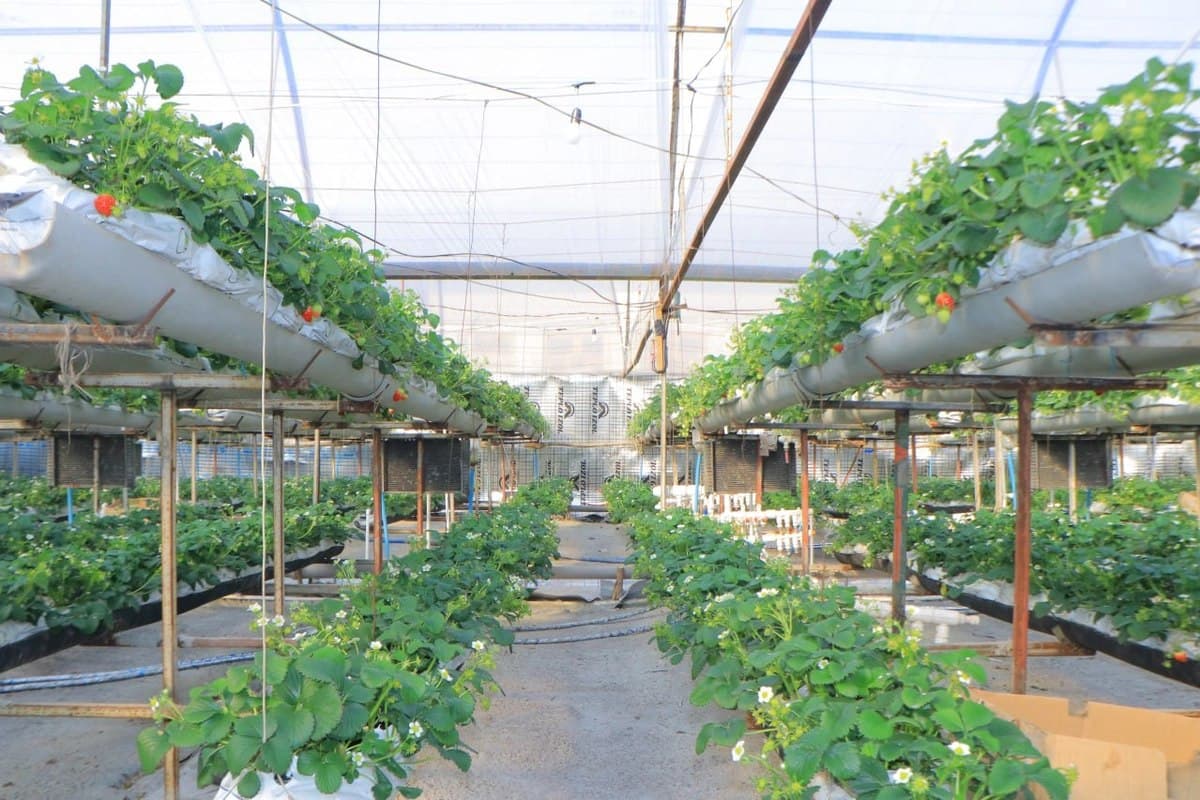
The restrictions apply to greenhouses located in the Qibray, Yuqori Chirchiq, Zangiata, Yangiyul, and Tashkent districts. From June 1, the establishment of new greenhouses heated by coal, fuel oil, or other harmful fuels will be strictly prohibited in these areas. For existing facilities that continue to burn coal, bitumen, rubber, or synthetic materials, environmental pollution compensation payments will increase 20-fold starting August 1.
The resolution also targets water consumption and taxation. Greenhouse owners in the specified locations will face water resource taxes at a rate five times the maximum tariff for industrial enterprises. Furthermore, the Ministry of Economy and Finance and the Tax Committee have been tasked with drafting a law to increase land and property tax rates for these facilities by at least 10 times, with a submission deadline of September 1.
To encourage a shift toward more sustainable practices, the government is incentivizing the relocation of greenhouses to the newly established Surkhan-Agro free economic zone in Surkhandarya region. Greenhouse businesses that choose to move will benefit from significant financial relief, including a five–year extension on existing loan repayments and a three-year grace period.
Additionally, those who decide to relocate before April 1, 2028, will receive state compensation for the costs associated with dismantling, transporting, and reassembling their structures. The compensation is capped at UZS 500,000 per 0.01 hectares of land.
Certain exemptions have been made for facilities attached to educational and research organizations. Greenhouses dedicated to crop selection, seed and seedling breeding, or the adaptation of foreign varieties to the local climate will not be subject to these restrictive measures.
The move follows a presidential decree to establish the Surkhan-Agro zone, aiming to centralize greenhouse farming in a region with a more favorable climate while reducing the health and environmental risks posed by emissions in the densely populated capital region.