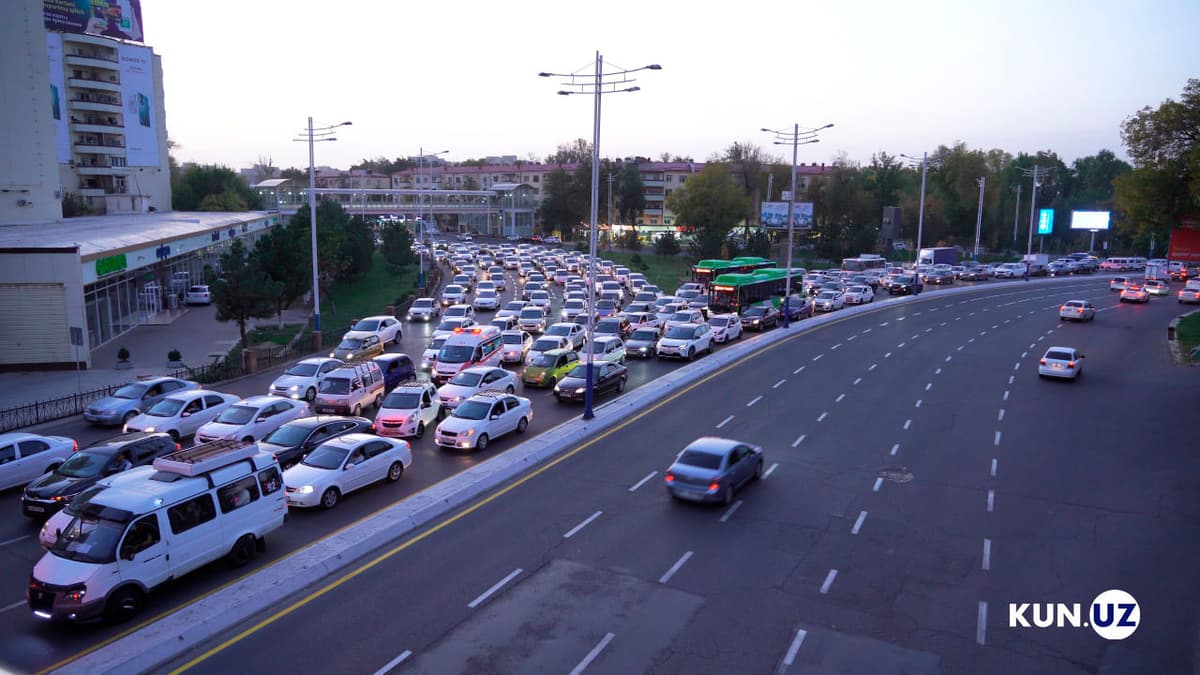
This new system aims to transform every intersection from a simple "stop and go" point into an analytical hub that intelligently manages vehicle flow. The newly installed traffic lights utilize specialized sensors to "see" the volume of traffic in real time. If one direction is clear, the system will not keep the green light on unnecessarily; instead, it will prioritize the direction where congestion is building up.
Furthermore, the system is designed to recognize approaching buses. To ensure public transport remains on schedule, the ITS can automatically extend the green light duration, allowing buses to pass through intersections without delay.
The Road Traffic Management Center also addressed the technical necessity of replacing existing poles rather than simply upgrading the lights. Under the new standards, all power and fiber–optic communication cables connecting to the central control are being moved underground. The old utility poles were not equipped to support this "hidden" system, which protects infrastructure from wind, precipitation, and unexpected power outages.
Stability is another critical factor in the upgrade. For the traffic flow sensors and video analytics cameras to function with high precision, vibrations on the supporting poles must be kept to a minimum. The new galvanized supports possess the necessary structural integrity to eliminate data reading errors caused by the excessive shaking common with older poles. Additionally, these galvanized bases are rust–resistant and do not require annual painting, reducing long-term maintenance costs.
The primary objective of this project is to move away from manual traffic regulation toward a fully automated digital system. The center emphasized that the initiative is more than just a physical replacement of equipment; it is a fundamental shift of Tashkent’s transport network from "manual" control to a digital environment. Implementing such a complex project on the foundation of outdated infrastructure was deemed technically impossible by the authorities.