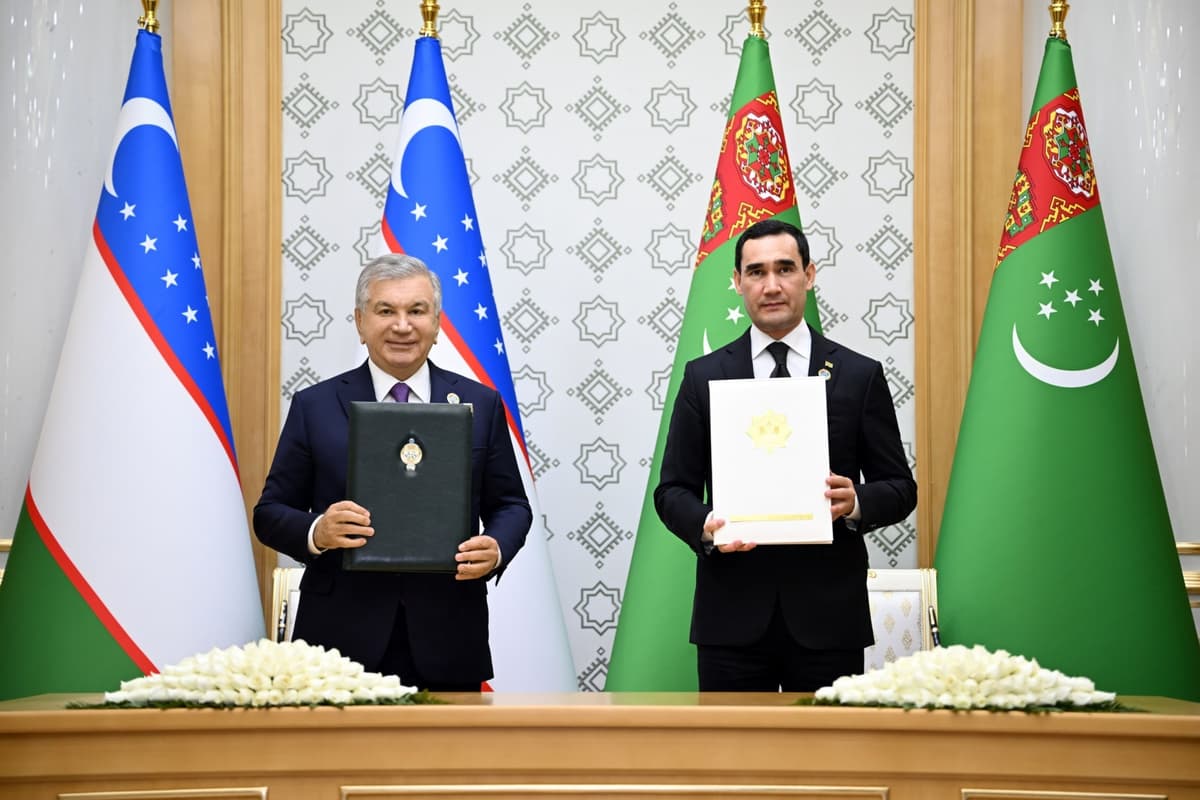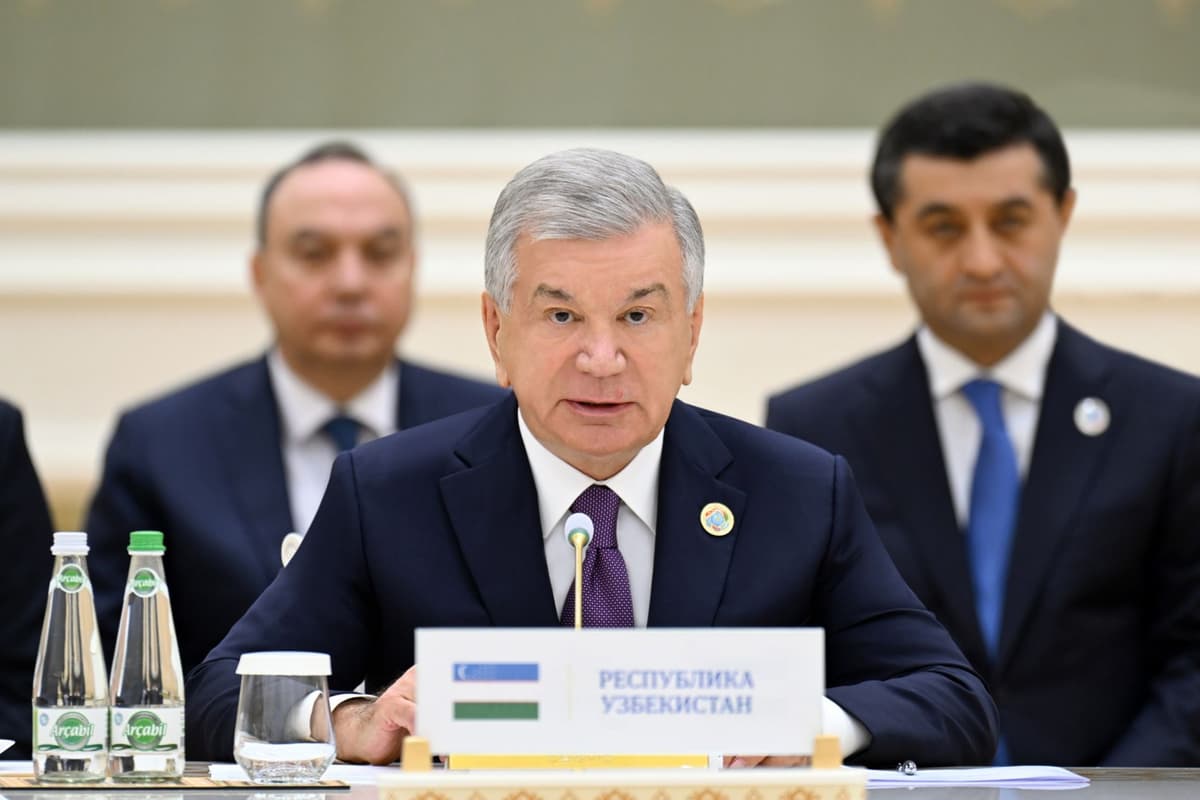
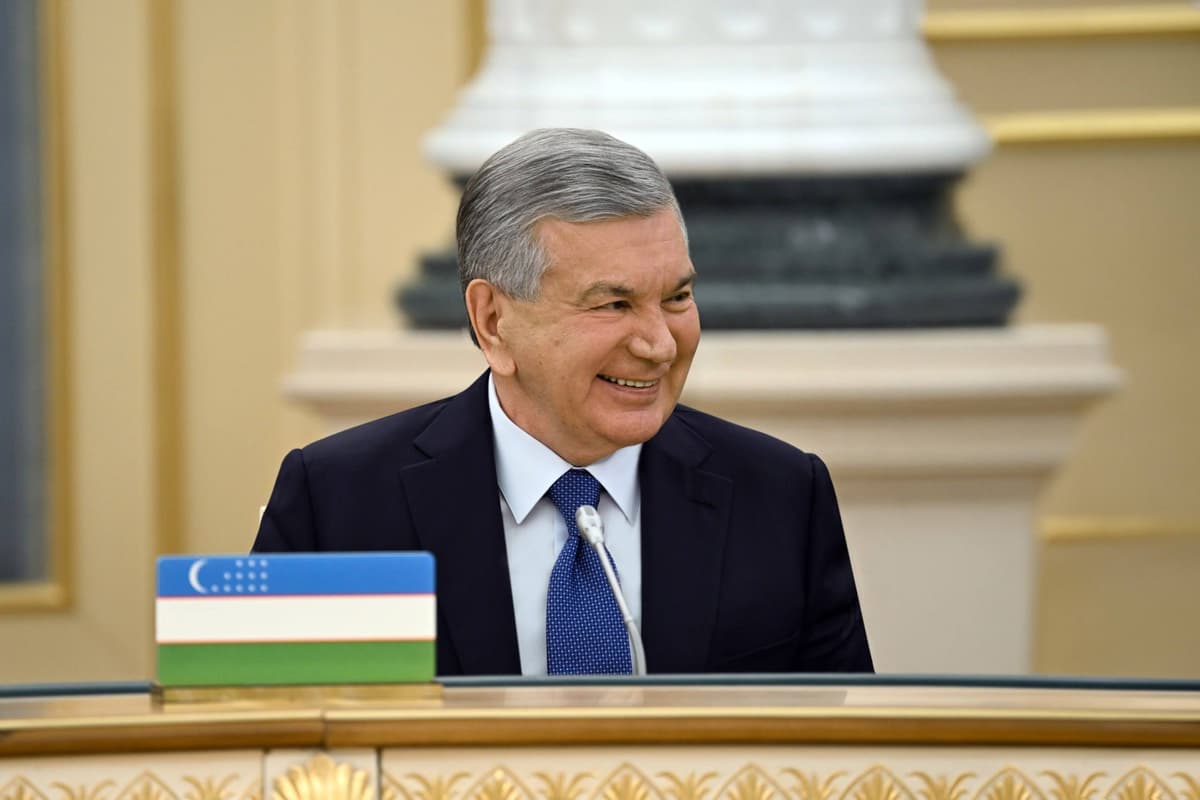
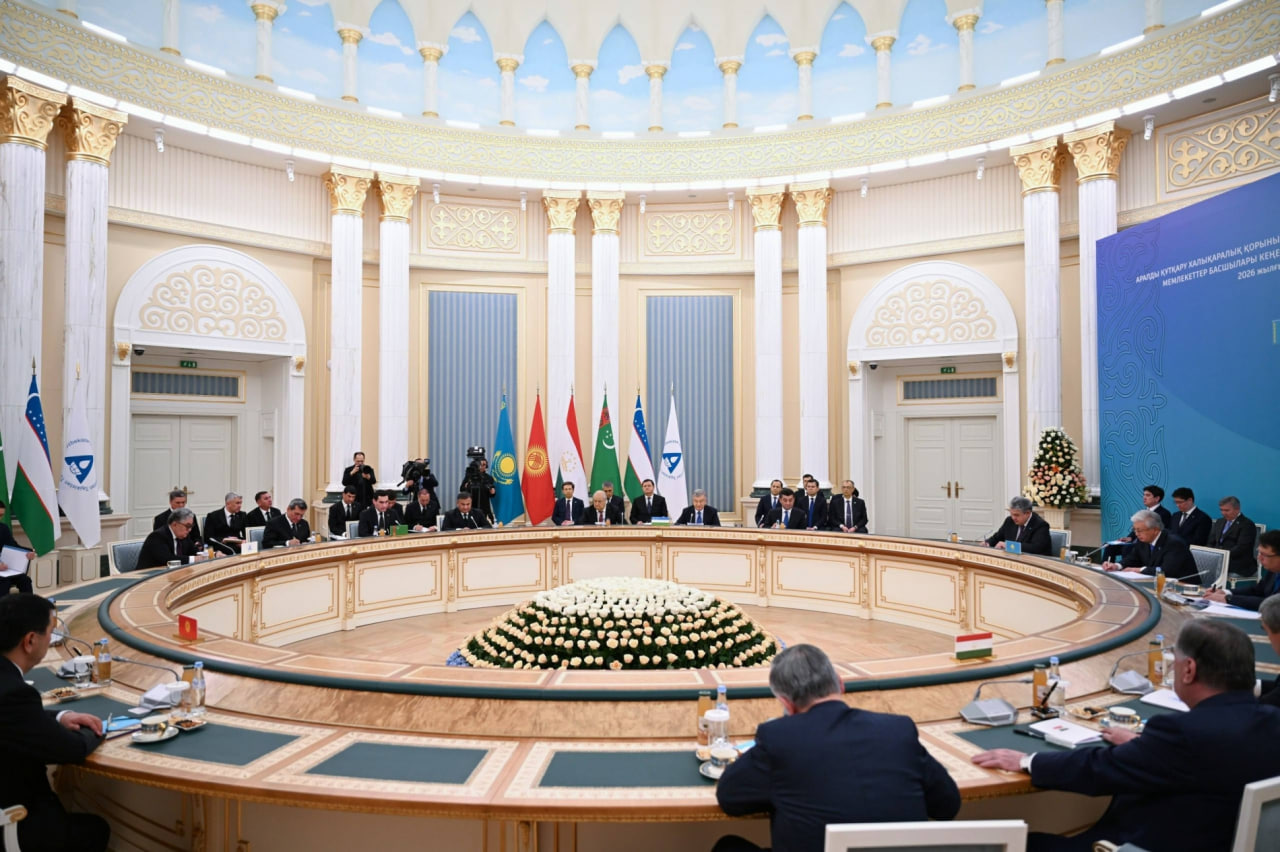
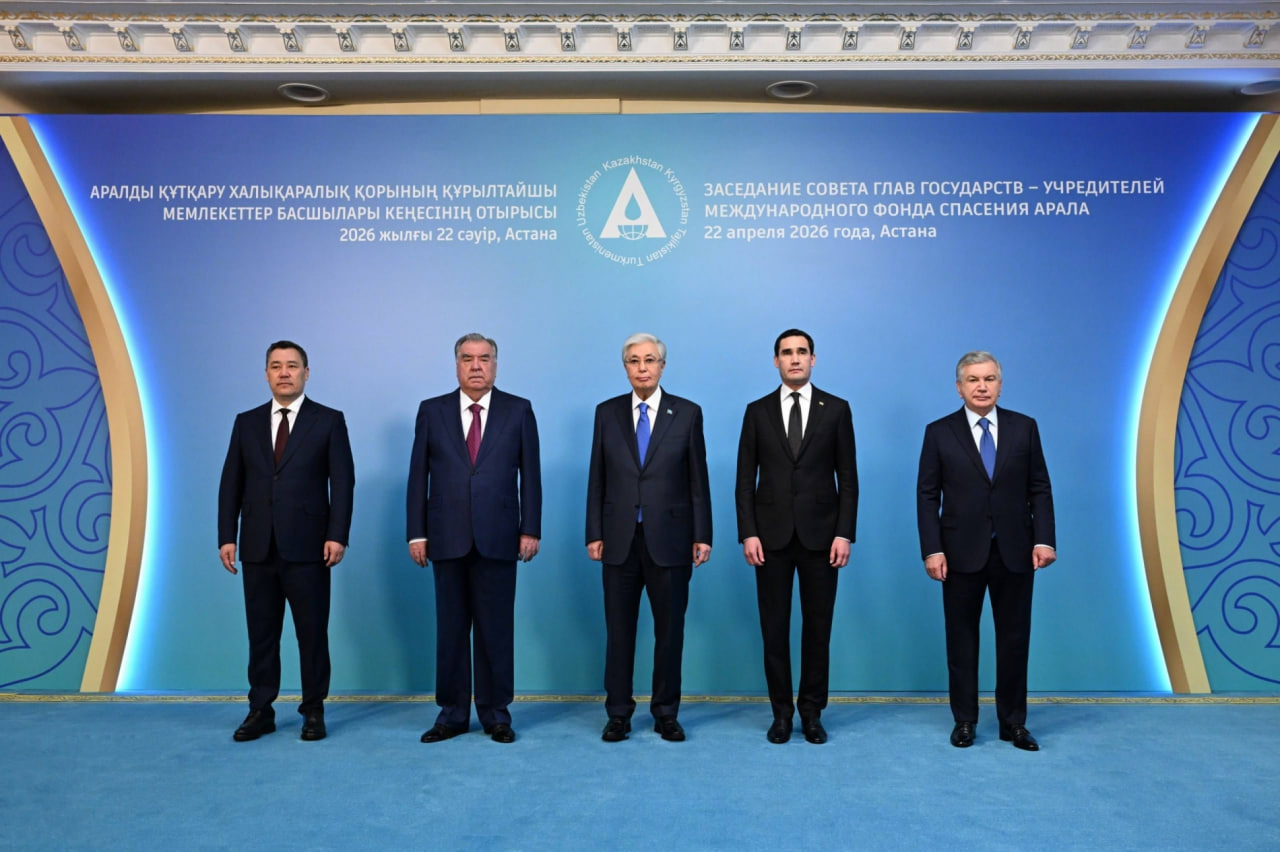
Mirziyoyev addressed a meeting of the Council of Heads of Founder States of IFAS, chaired by Kazakhstan’s President Kassym-Jomart Tokayev and attended by leaders of Kyrgyzstan, Tajikistan, and Turkmenistan, as well as IFAS Executive Committee Chairman Askhat Orazbay.
The meeting reviewed the results of Kazakhstan’s 2023–2026 chairmanship and discussed strategies to improve environmental, water management, and socio-economic conditions across the Aral Sea basin. In his address, Mirziyoyev described IFAS as a "unique regional organization" whose role is becoming increasingly vital amid climate change and rising water consumption.
"According to expert estimates, the water deficit in the Aral Sea basin could almost double to 20 billion cubic meters per year by 2040. This poses severe risks to drinking water supplies, the environment, agriculture, energy production, and social stability," President Shavkat Mirziyoyev noted.
He highlighted low water-use efficiency across Central Asia, pointing out that regional agriculture consumes nearly three cubic meters of water to generate one dollar of added value – roughly twice the global average. Mirziyoyev detailed ongoing reforms in Uzbekistan, such as the implementation of water-saving technologies across 60% of irrigated land, the concreting of 40% of the canal network, and the modernization of pumping stations, which has reduced energy use in the sector by nearly 30%. A unified digital database covering more than 600,000 users and 4 million hectares is also under development.
According to the presidency, these measures already save more than 10 billion cubic meters of water annually, with savings projected to reach 15 billion cubic meters by 2030.
Looking forward to Uzbekistan’s chairmanship starting in 2027, Mirziyoyev stated that Tashkent aims to transform the Fund into a driver of regional integration. His priorities include strengthening the organization’s institutional and legal frameworks and expanding the powers of its various bodies. He also called for Kyrgyzstan to resume full participation in IFAS, suggesting that its involvement is essential for more balanced, long-term decision-making.