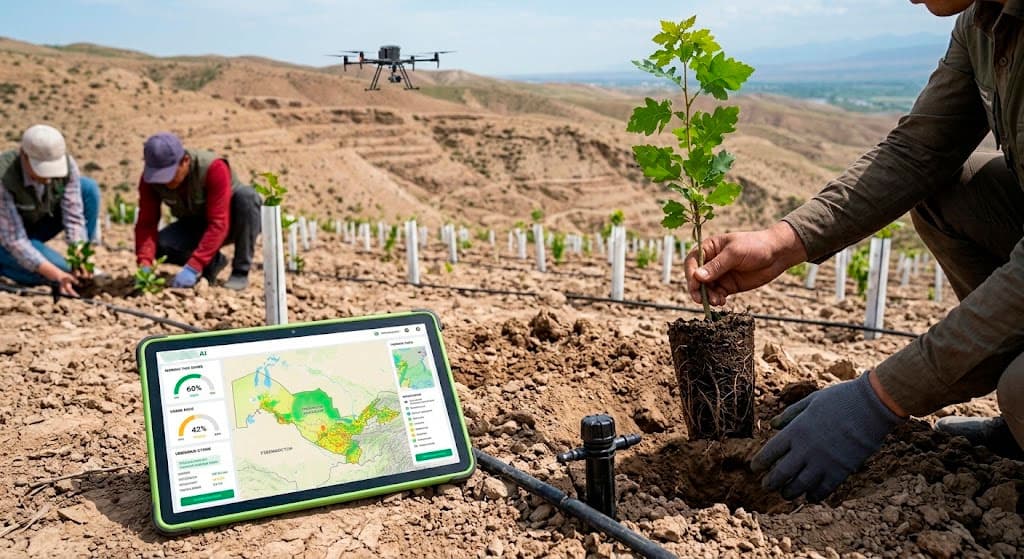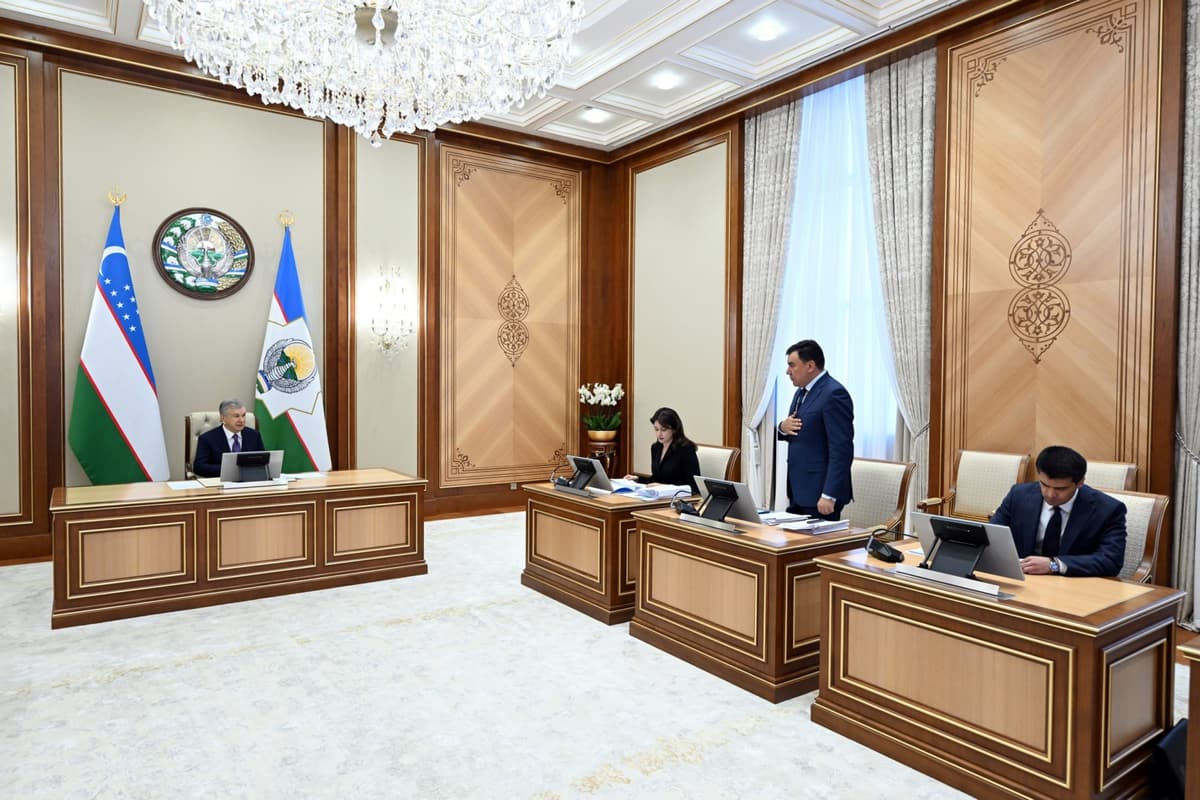
In recent years, the country has undertaken large-scale efforts to protect the environment, promote the rational use of natural resources, introduce the principles of a green economy, and enhance ecological culture. However, the rapid development of industry, construction, transport, and municipal services requires stricter control over environmental factors and stronger enforcement of environmental standards.
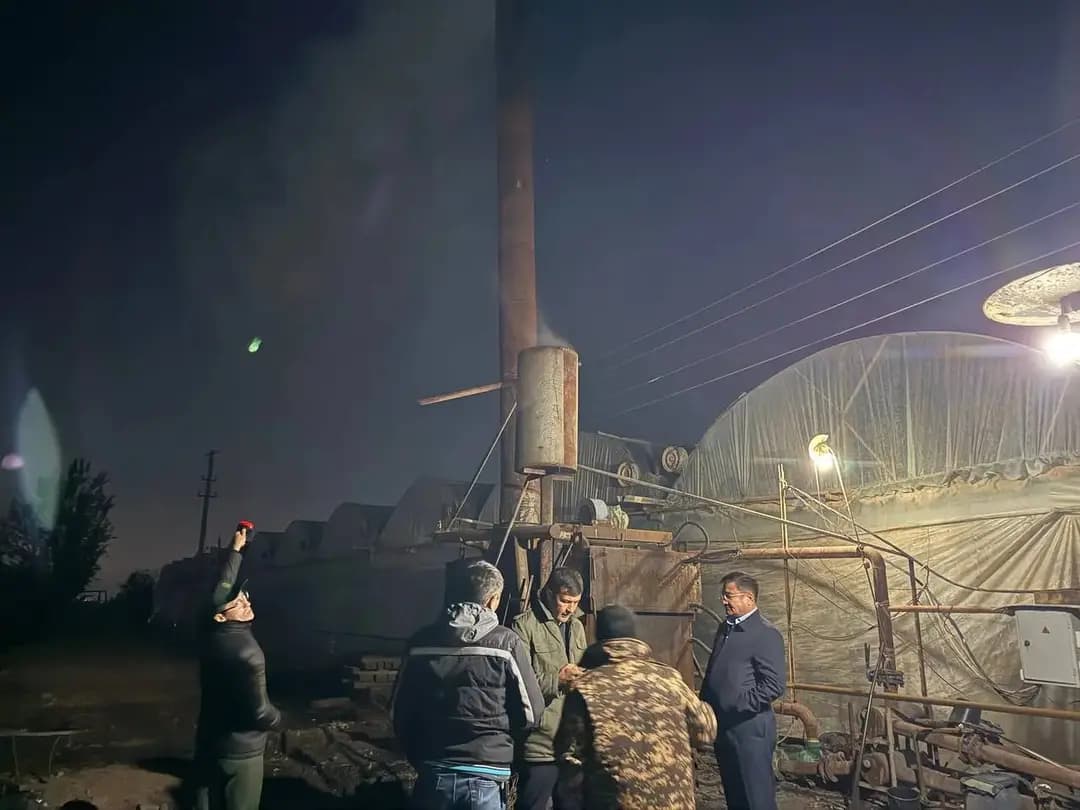
Officials reviewed environmental violations during the presentation. They recorded more than 47,000 administrative cases in 2024, rising to over 59,000 in 2025. Because fines remain too low relative to the environmental damage caused, some companies opt to keep operating and pay penalties rather than address the violations.
In response, officials proposed revising financial sanctions for legal entities to reflect the environmental damage caused and align with international standards. They plan to introduce stronger financial penalties for illegal extraction of non-metallic materials from riverbeds, water pollution, illegal logging of trees and shrubs, exceeding emission limits, releasing dust and sand from construction sites, and burning waste in unauthorized areas.
Thus, it is suggested to combine administrative fines and compensation payments for environmental damage into a single financial sanction, and to introduce a practice whereby, in cases where a company admits liability, the National Committee on Ecology and Climate Change will have the right to apply the sanction independently, while in the event of disputes, the matter will be considered and resolved in court.
The presentation also accessed proposals to restore the natural balance of the Ugam River and preserve its unique natural heritage.
The Ugam River and its basin are among the important ecological areas within the Ugam-Chatkal National Nature Park. Dozens of rare species of flora and fauna live here, including those listed in the Red Book. In addition, the river plays a major role in supplying water to the Chirchik River basin.
Studies show that in recent years the Ugam River’s water flow has declined, while pressures on water quality have increased. This trend raises the risk of bank erosion, harms aquatic flora and fauna, and threatens biodiversity.
Officials proposed designating the Ugam River and surrounding areas as a state hydrological natural monument and restricting construction and excavation in coastal and water protection zones that affect the natural hydrological system. They also plan to inventory facilities in these zones and assess their impact on water quality and biofauna. Authorities will review whether to halt or relocate activities that fail to meet environmental requirements.