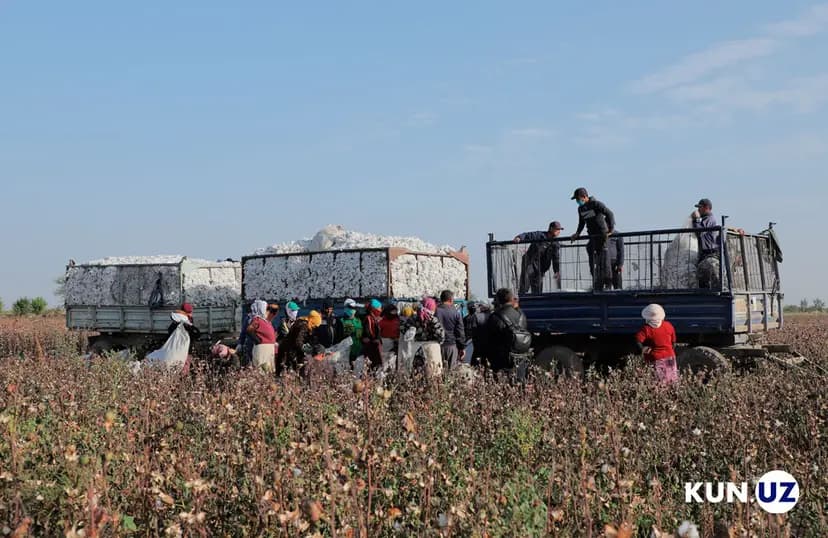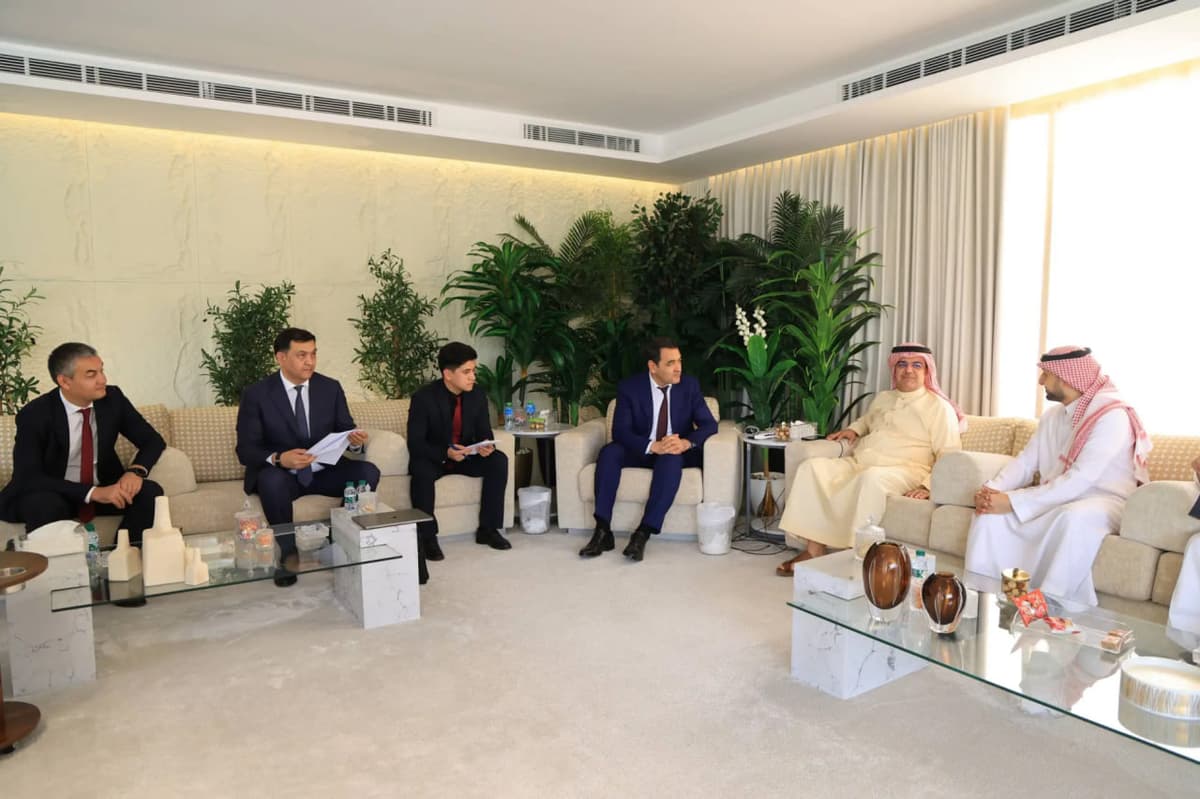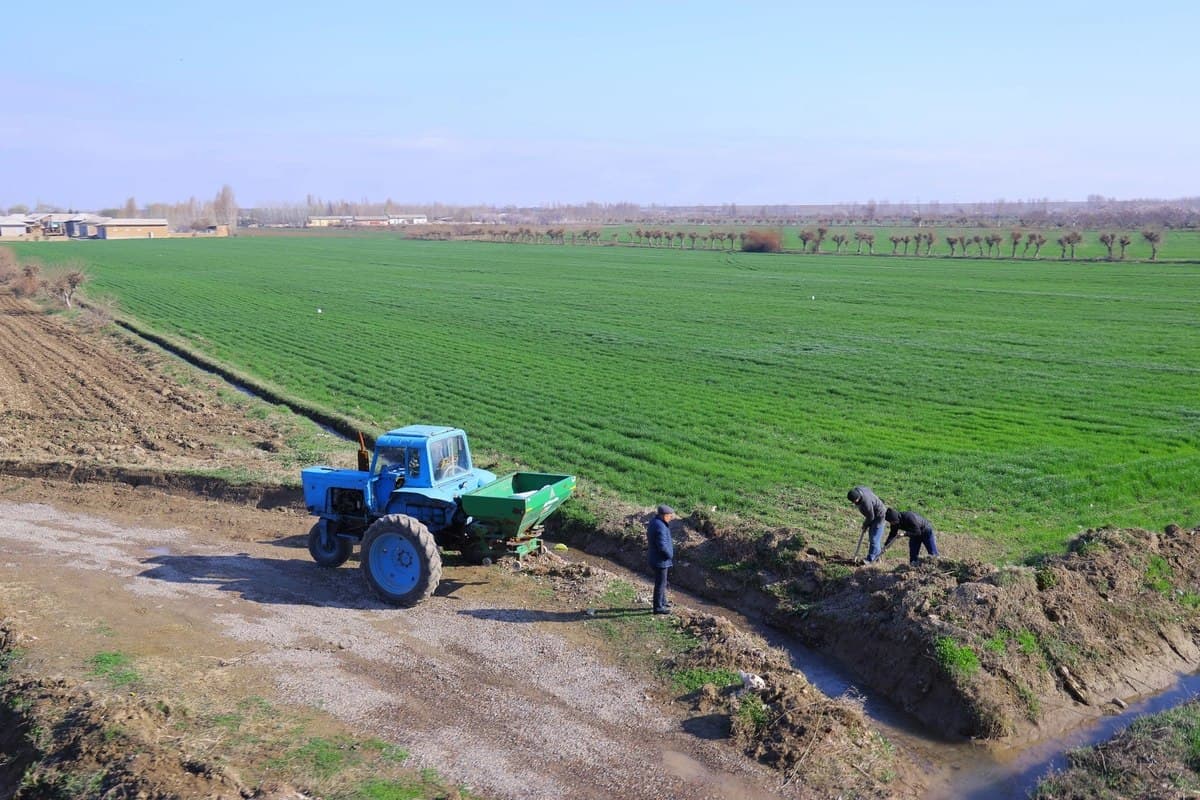
Under the new regulations, foreign nationals, stateless persons, foreign legal entities, and enterprises with foreign participation can no longer participate in auctions for agricultural land or acquire land through sub-leasing procedures. Furthermore, the transfer of shares in the authorized capital of legal entities that hold agricultural land plots to foreign residents is strictly prohibited.
Instead of direct leasing, a new intermediary system has been established. Local governments in five regions are required to organize specialized directorates to manage leased agricultural lands. For investment projects valued at over $10 million, land plots will be granted to these directorates for a 25-year term. These entities will then be responsible for sub-leasing the land to foreign investors. In contrast, domestic investors retain the right to direct leases for a period of up to 49 years.
Foreign investors seeking to sub-lease rainfed or pasture lands must submit proposals for specific projects, with selection based on the best offers. In exchange for the land, investors are obligated to ensure the reclamation and re-introduction of the plots into agricultural circulation. The minimum sub-lease payment is set at double the land tax rate, with exact amounts and payment schedules to be determined by regional Councils and the Jokargy Kenes of Karakalpakstan.
A portion of these sub-lease payments will cover the land tax, while the remainder will fund the directorate's operations. Additionally, foreign investors are required to pay a fee to the local budget equal to the estimated value of the lease right. These funds are earmarked for improving agricultural infrastructure, irrigation, land reclamation, and bi-annual satellite monitoring of the plots.
The decree also places a firm moratorium on changing the category of highly valuable, fertile, and irrigated agricultural lands. Exceptions are permitted only for specific state needs, such as the construction of social institutions, defense facilities, border infrastructure, airports, roads, railways, pipelines, and energy networks.