





Additional features
-
Night mode

Uzhydromet deploys anti-hail rockets across Namangan to protect local crops
Uzhydromet has deployed specialized anti-hail shells into cloud formations across Namangan region to mitigate the impact of severe hail storms. The targeted operations successfully weakened heavy hail activity, preventing potentially widespread damage to valuable agricultural crops in the area.
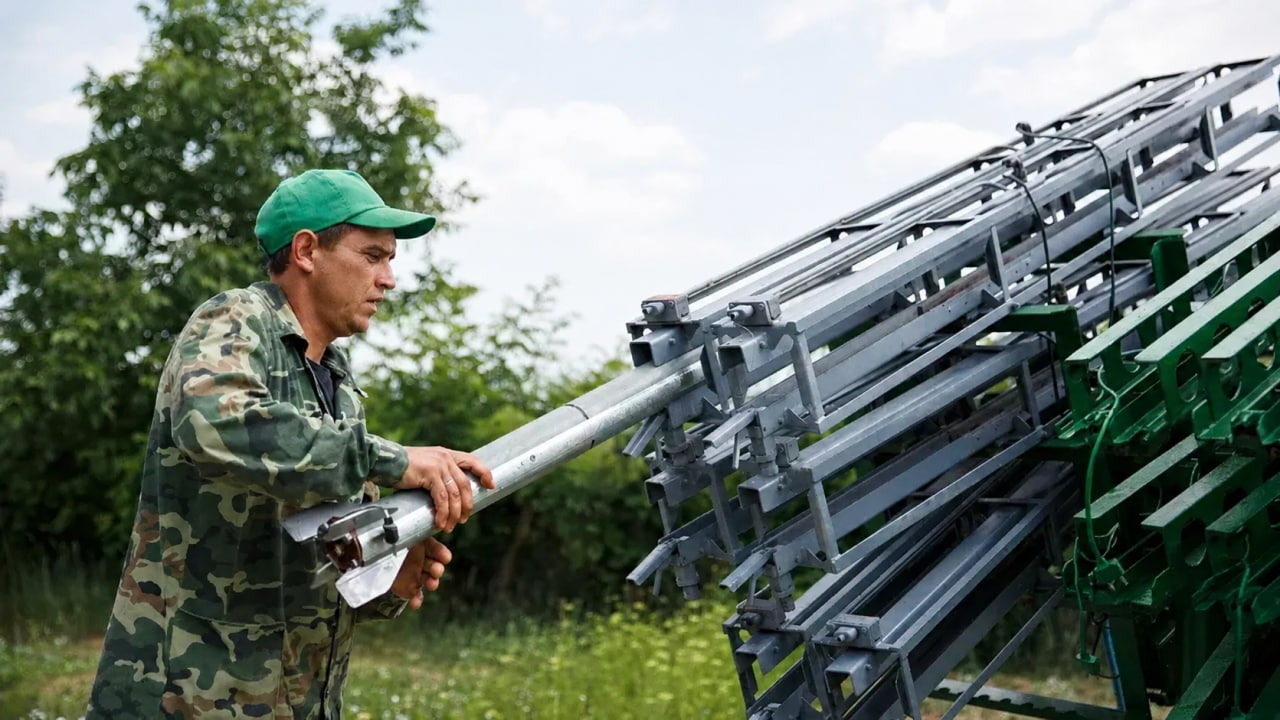
The Specialized Service for Influence on Hydrometeorological Processes, operating under the Center for Hydrometeorological Service (Uzhydromet), systematically monitors high-risk areas to shield national agriculture from volatile weather anomalies. According to agency reports, specialized teams launched cloud-seeding operations in the Kosonsoy and Yangikurgon districts on May 1, 11, and 12. Crews fired a total of 57 Alazan-6 anti-hail rockets to disrupt ice crystal formation within target storm cells, successfully diluting the intensity of the storm. Weather specialists noted that while cloud-seeding significantly reduces structural damage, brief and localized light hail showers can still occasionally reach the ground after convective clouds are treated.
The mechanics of the Alazan-6 shell
Public data shows that the Alazan series of anti-hail rockets has been utilized for weather modification since the 1960s, with the updated Alazan-6 iteration engineered in 2000. These 82.2 mm caliber shells are launched from specialized ground–based inclined launch platforms.
Upon reaching a designated altitude up to a maximum of 9.3 kilometers, the rocket detonates to disperse a chemical reagent – silver iodide – directly into the atmosphere. The chemical altering agent modifies the internal microphysics of the developing hail cloud, forcing moisture to fall as rain or harmless sleet rather than large ice stones. The rocket system is also built with safety safeguards, featuring a 99.95% probability of mid-air self-destruction to eliminate debris hazards on the ground.
Specialized anti-hail operations
The Specialized Service for Influence on Hydrometeorological Processes focuses its operations across four regions identified as highly vulnerable to intense hail patterns: Namangan, Samarkand, Kashkadarya, and Surkhandarya.
According to climatologist Erkin Abdulahatov, this defensive infrastructure protects approximately 700 hectares of vital agricultural land across the four selected provinces. The operational framework includes dozens of MRL-5 meteorological radar monitoring systems and nearly twenty specialized firing stations to track and intercept severe storm cells. The service, which employs around 170 staff members, was managed by the Ministry of Emergency Situations until a recent restructuring returned the agency to the jurisdiction of Uzhydromet.
Rising trends in short-term extreme precipitation
Uzhydromet defines hail as an atmospheric precipitation anomaly that develops inside large convective or cumulative cloud formations, accumulating weight until falling to earth as dense ice pellets.
Global climate shifts have driven a noticeable increase in short-term, highly intense spring precipitation events across Uzbekistan, including flash downpours, severe cloudbursts, and volatile hailstorms. While total annual precipitation averages have not dropped, moisture is increasingly compressed into brief, violent bursts. This trend triggers frequent mudslides, flash flooding, and severe agricultural strains.
Historical data over the past few years highlights the shifting seasonal patterns of convective storm activity. The total number of high-activity hail days fluctuated significantly, registering 33 days in 2020, 34 days in 2021, 29 days in 2022, 24 days in 2023, peaking at 40 days in 2024, and dropping down to 13 days during the 2025 season.

Related News

12:28 / 15.07.2026
Extreme temperatures force speed restrictions on Tashkent's elevated metro routes

18:12 / 13.07.2026
Extreme heat may lead to temporary kindergarten closures across Uzbekistan

13:43 / 13.07.2026
Health Ministry issues safety advice as extreme heat grips Uzbekistan
13:01 / 08.07.2026