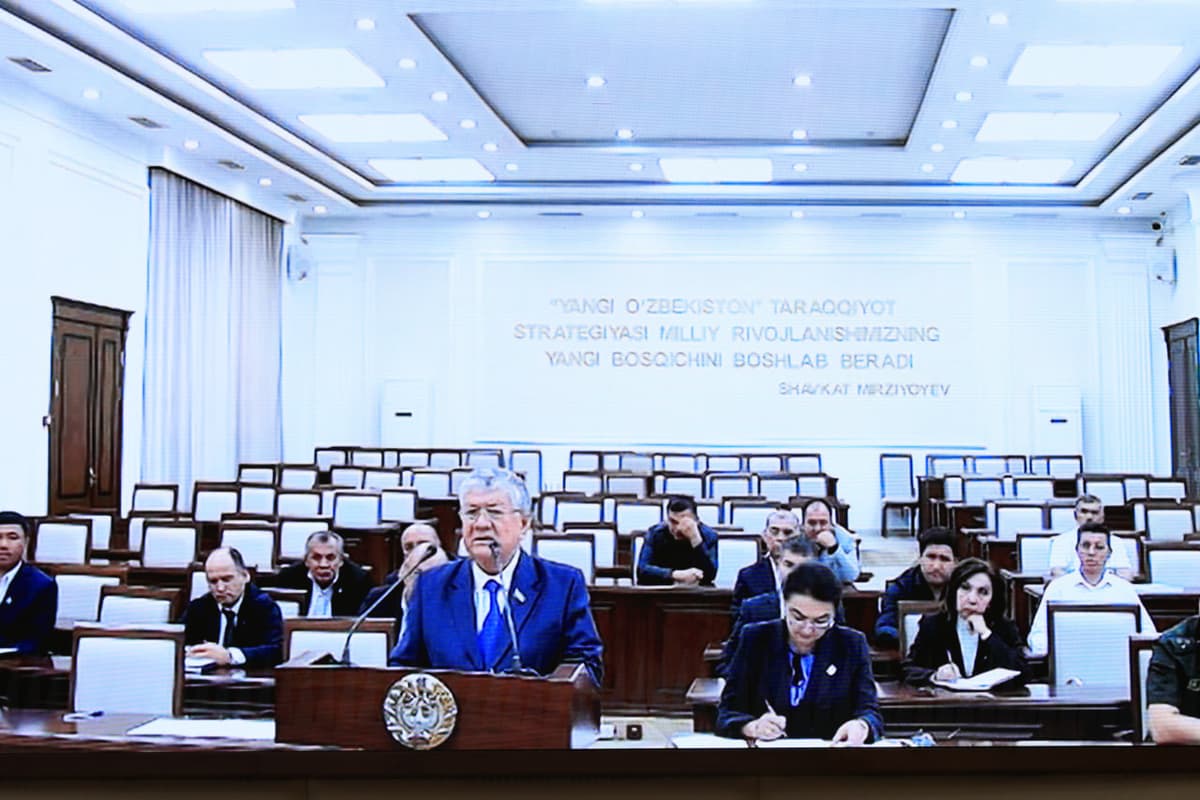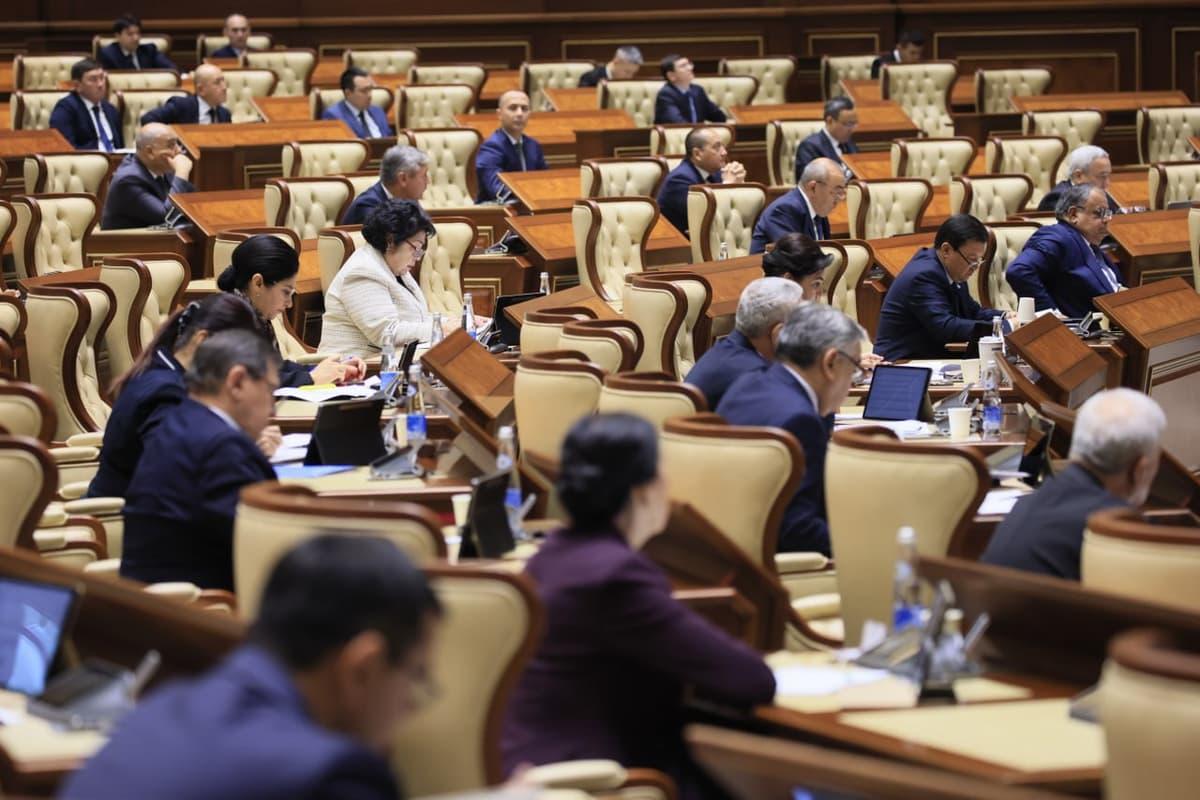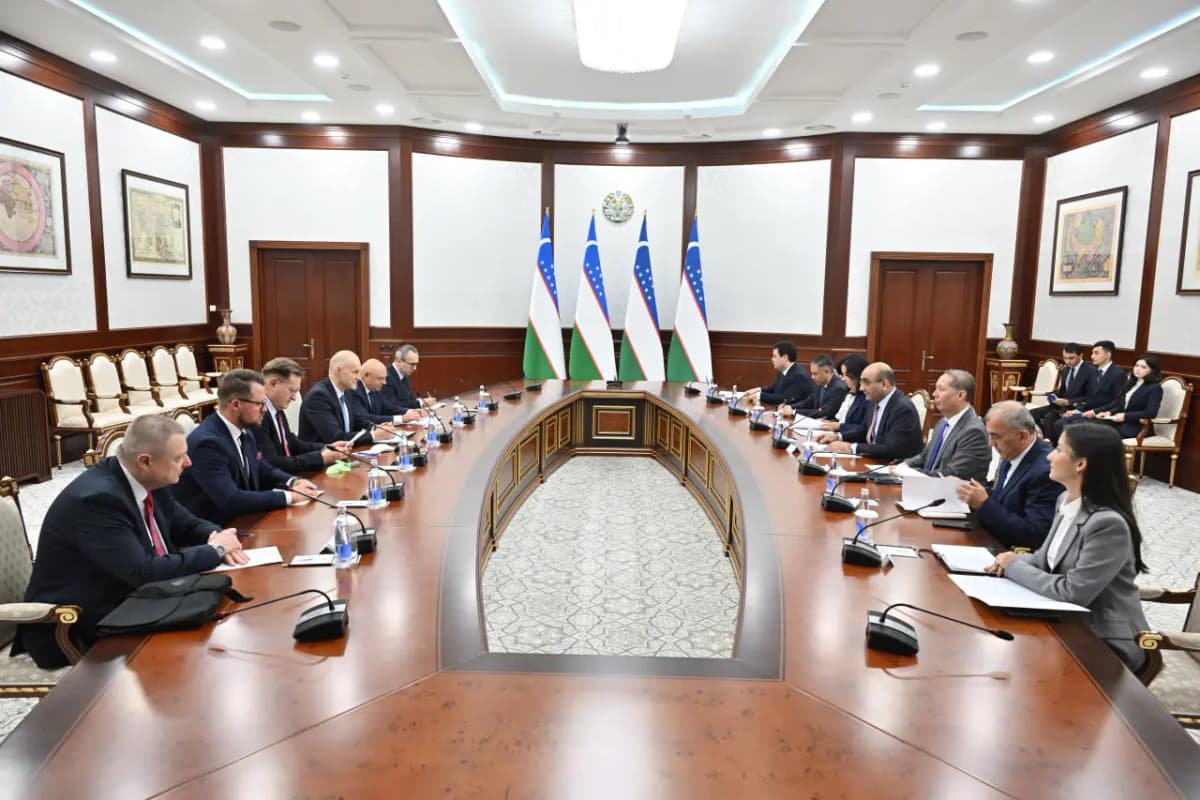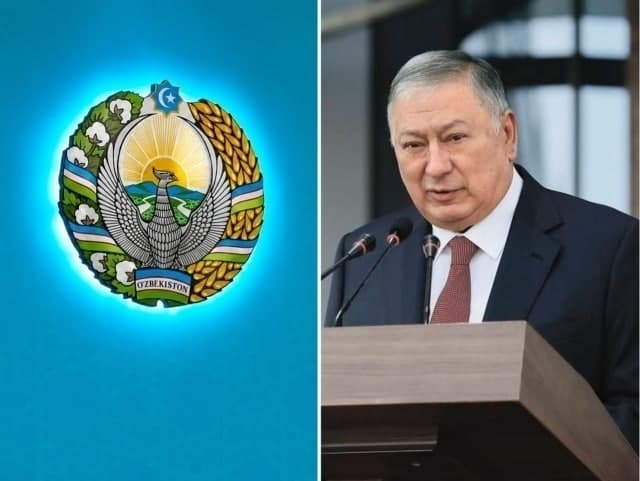
Rafikov, who serves as the chairman of the Federation of Trade Unions of Uzbekistan, focused extensively on the country’s state emblem, questioning why agricultural symbols like cotton and wheat have remained central to the national crest for over three decades. His broader piece reflects on Samarkand’s transformation into a hub for modern global diplomacy and evaluates the political trajectory established by President Shavkat Mirziyoyev, who previously governed Samarkand region.
The inclusion of cotton and wheat ears wrapped in ribbons on the coat of arms points toward an unresolved ideological connection with the previous Soviet apparatus, Rafikov argued. He noted that during the first decades following the collapse of the Soviet Union, freedom in the country was largely theoretical, operating as a form of dependent liberty.
Street slogans from that era, such as the prominent phrase "Do not destroy the old house before building a new one" – a foundational development principle introduced by the first president, Islam Karimov – highlighted a systemic hesitation to fully break away from historical structures. This cautious approach managed to imprint itself onto the very symbols meant to embody the genetic code of the nation, Rafikov wrote.
The senator highlighted a point frequently raised by President Mirziyoyev, who noted that national revenues generated by cotton during those early years failed to even reach $1 billion. Given those economic realities, Rafikov questioned if agricultural commodities should continue to dictate the social and spiritual identity of Uzbekistan.
The public rhetoric of the post-Soviet transition remained tightly tethered to crop yields, harvesting targets, and collective farm labor, a dynamic that restricted the boundaries of free thought. For a long time after independence, public consciousness remained stuck between the furrows of the cotton fields, mimicking the total mobilization strategies used by the former central government to manage public perception. Cotton and grain production held a quasi-religious socio-political status that mirrored the Soviet era. Constant media focus on hitting unreachable production targets inevitably eroded the public's capacity for independent thought.
The current political era has quietly but significantly reshaped the national worldview, rendering the old, politically charged focus on agriculture largely obsolete. Public discourse on these topics has become uninspiring unless the reporting looks past the raw data to focus on human dignity, individual freedom, and future prospects.