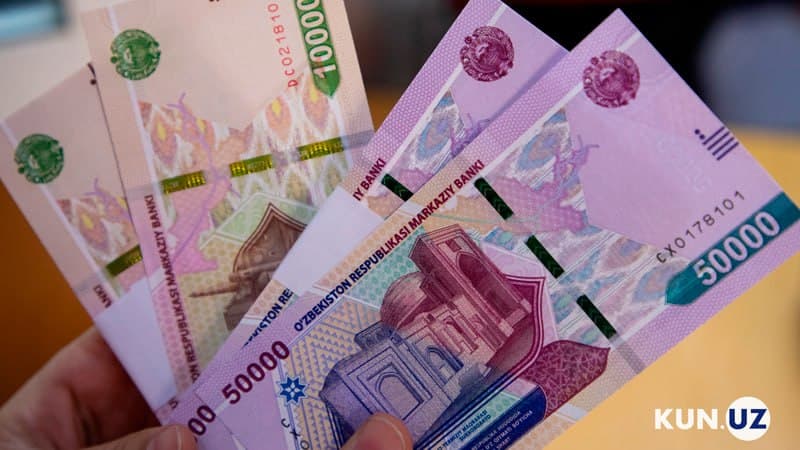
According to the survey, 68% of participants expect their income to increase in the near future, while 25% believe their earnings will remain stable. Only 7% anticipate a decline in their financial situation. Optimism varies by income level: respondents earning between UZS 3 million–5 million and UZS 7 million–10 million per month expect their incomes to stay unchanged, whereas those making over UZS 20 million monthly foresee further financial growth. Conversely, the share of respondents expecting a drop in income rose among individuals earning UZS 10 million–15 million.
The regulator noted that 66% of respondents registered official salaries as their primary source of income, down slightly from 67% in the fourth quarter of 2025. Meanwhile, the proportion of people relying on household plots, entrepreneurship, trade, daily labor, property rentals, and remittances saw a marginal increase compared to the final quarter of last year.
Spending expectations remain high, with 77% of respondents anticipating an increase in their future expenditures. Interestingly, the highest and lowest income groups predict a reduction in their spending over the coming months. In contrast, middle-income earners (UZS 5 million–7 million and UZS 7 million–10 million) and relatively higher-income groups (UZS 10 million–15 million and UZS 15 million–20 million) expect their expenses to grow.
Across all income levels, housing renovation remains the top expenditure priority, closely followed by education and healthcare. Respondents earning under UZS 5 million mainly allocate their funds to home repairs, education, and daily necessities. Middle-income households making UZS 5 million–10 million are planning expenditures on education, travel, vehicles, and weddings. For high-income earners making UZS 15 million–20 million and above, major purchases dominate, with travel, real estate, and vehicle acquisitions taking priority, alongside a sustained demand for healthcare, household appliances, and furniture. Among younger respondents under the age of 30, spending is primarily driven by education, housing renovation, travel, weddings, and vehicle purchases.
The need for credit is also on the rise, with 56% of participants stating they will require a loan in the future – a 2% increase compared to the previous quarter. The Central Bank expects credit demand to grow among individuals earning up to UZS 7 million per month, while a downward trend in borrowing needs continues among higher-income earners making UZS 10 million–15 million and above UZS 20 million. Borrowed funds are consistently earmarked for home renovations, education, weddings, vehicle purchases, and medical treatments.