Uzbekistan rolls out mandatory QR payment system, charging merchants on each transaction
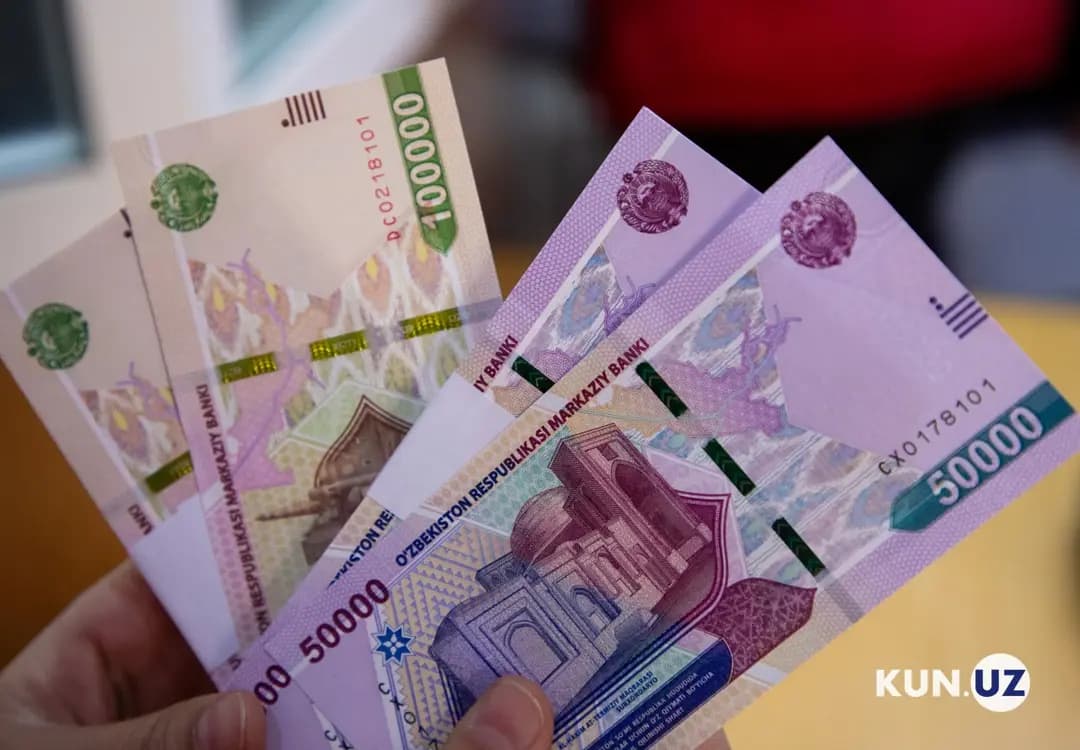
Uzbekistan is launching UzQR, a unified QR-based payment system that becomes mandatory for all trade and service businesses from July 1, 2026. Failure to accept UzQR payments is classified as a violation of trade rules. The system is operated by MUNIS, the Central Bank's own clearing infrastructure, and works across all banking apps and payment services compatible with the national card networks Humo and Uzcard.
According to the Central Bank, the official fee structure is straightforward: merchants pay 0.65% per transaction, and buyers pay nothing. That 0.65% is distributed among the institutions in the payment chain – the acquiring bank (0.1%), Uzcard or Humo (0.15%), the QR operator MUNIS (0.2%), the card-issuing bank (0.05%), the mobile app through which payment is made (0.15%), and the payer's bank (0.05%). One institution can receive multiple shares if it plays more than one role in a given transaction.
The Central Bank also notes that the current market rate for QR-based payment acceptance runs between 1% and 3%, and positions the UzQR rate as significantly lower by comparison.
What merchants actually pay
For merchants, the 0.65% merchant fee is a new line item on every transaction processed through UzQR – on top of existing tax obligations. A shopkeeper paying taxes on sales will now also pay 0.65% of each QR transaction to the payment chain.
Whether this changes merchant behavior at the point of sale is a practical question. Card terminal payments do not carry this specific charge. Where both options are available, merchants have a financial preference that is not difficult to calculate.
Card terminals, however, are not universally available. According to public surveys, many markets, smaller outlets, and street-level vendors across the country operate without them. In these settings, UzQR is the only electronic payment option available to customers who do not carry cash.
The buyer-side fee: Official tariff vs. market reality
The Central Bank's statement is explicit: the official UzQR tariff does not include any consumer-side commission. Buyers, under the system as designed, pay nothing beyond the purchase price.
In practice, however, some consumers are being charged extra. The Central Bank acknowledges this, noting that additional fees observed in the market are not part of the official UzQR tariff and are being set independently by certain participants in the payment chain.
Reporting by Spot, published prior to the Central Bank's statement, cited a 1% buyer-side commission as part of the fee structure and noted that its destination was unclear. The Central Bank's statement does not reference a 1% figure as an official charge but does confirm that extra fees are appearing at the consumer level.

The UzQR framework sets the official tariff at 0.65% paid by the merchant. Beyond that, the fees that individual payment service providers – banks, payment apps, and other intermediaries – may charge their own customers are governed by their own terms of service rather than by UzQR's tariff rules. The Central Bank's statement does not specify what, if any, limits apply to such additional charges.
A gap between framework and experience
The distinction between the official tariff and what consumers may encounter at checkout has practical consequences.
A customer paying via a banking app that adds its own service fee on top of the UzQR transaction will pay more than the official framework envisions. How much more depends on the specific app or service provider being used – and may not be visible to the customer until the transaction is complete. The Central Bank's statement attributes such charges to individual participants acting independently, without specifying a regulatory response.
This gap is most consequential in settings where UzQR is the only electronic option. In markets and smaller retail outlets without card terminals, a customer who does not carry cash has no alternative payment method to turn to. If their payment app applies an additional charge, they bear it without recourse to a cheaper option.
What it means for cash
Electronic payments in Uzbekistan, of which UzQR is now the mandatory centerpiece, sit within a broader national effort to bring more transactions into the formal, traceable financial system.
The fee dynamics of UzQR – a merchant charge on every transaction, and the possibility of additional consumer-side charges depending on the service provider – introduce a cost comparison that was not previously part of the equation. Cash carries no such fees for either party at the point of sale. How merchants and consumers respond to that comparison, particularly in informal retail environments, will become clearer as the system rolls out across the country.
What remains open
The Central Bank's statement does not address whether additional fees charged by payment service providers to consumers will be subject to any disclosure requirements, caps, or oversight under the UzQR framework. Spot reported, prior to the CB statement, that the possibility of eliminating a buyer-side fee was under discussion – though the CB's statement suggests the official system never included one.
What is established: merchants will pay 0.65% on every UzQR transaction. What consumers pay, beyond the purchase price, will depend on the service provider through which they make that payment.
Related News
15:45
Pensioners and high-income earners feel biggest inflation pinch in May
15:11
Uzbekistan and Singapore discuss expanding trade, investment, and business links
13:38
Central Bank survey shows easing inflation fears alongside rising concern over utility costs
16:46 / 22.06.2026