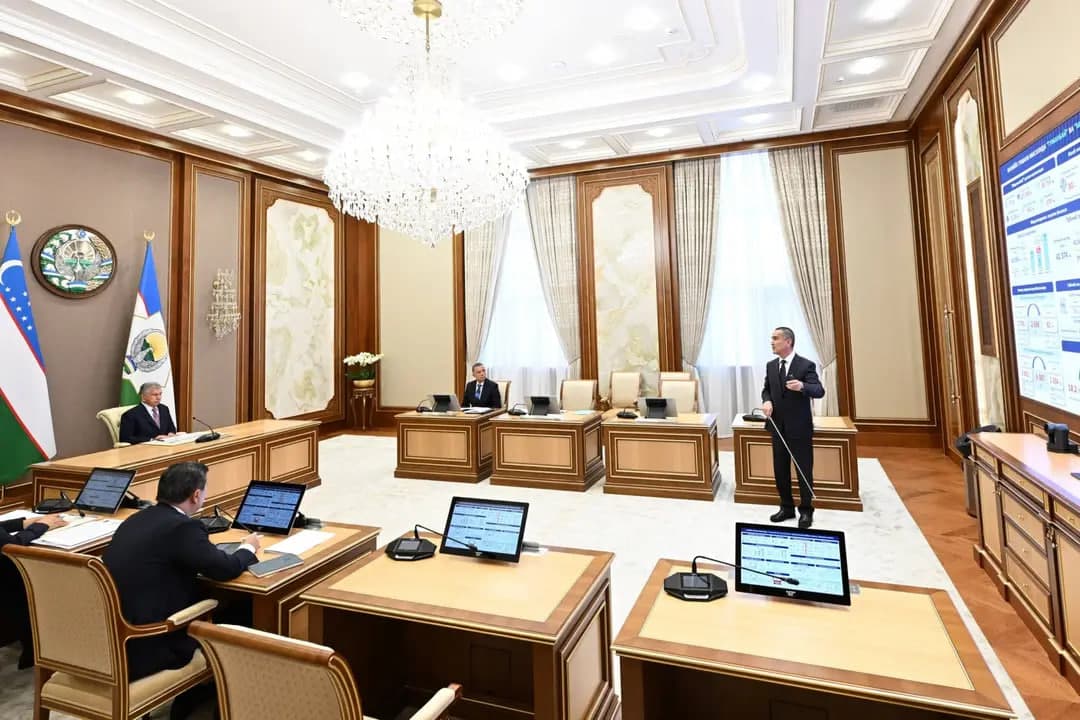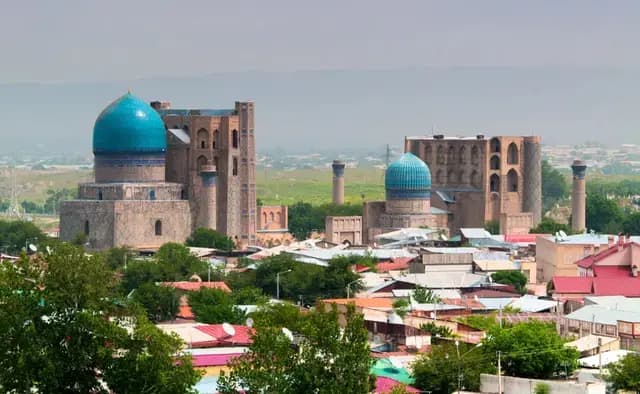
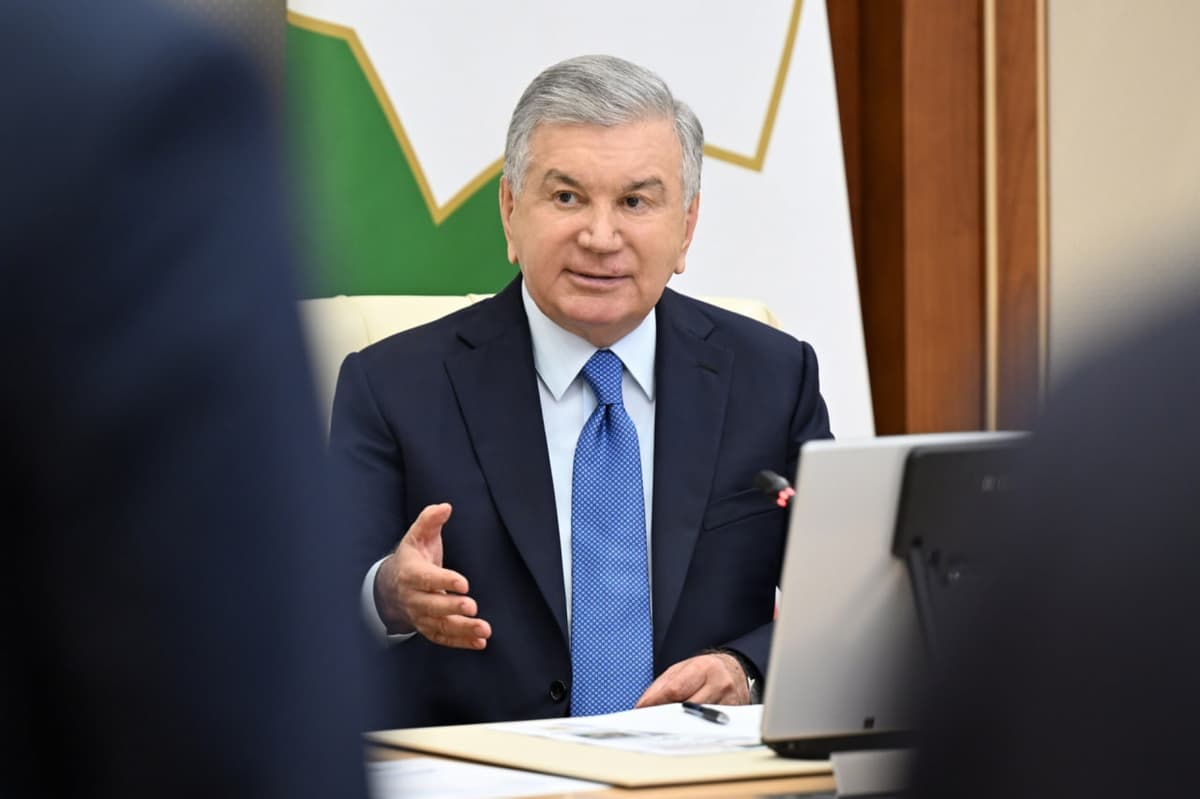
The project sets out a broad package of environmental, transport, urban development, and industrial reforms aimed at reducing pollution while improving the city's quality of life.
Among its key targets are preventing the emission of 51,200 tonnes of pollutants, cutting PM2.5 and PM10 concentrations by 50% through the installation of air pollution control equipment, reducing construction-related dust emissions by 80%, halving transport emissions, reducing landfill areas by 50%, and increasing green space to an average of 30% across populated areas.
A dedicated Yashil Samarkand project office will be established to coordinate implementation across urban planning, environmental protection, transport, construction, tourism, industry, and public utilities.
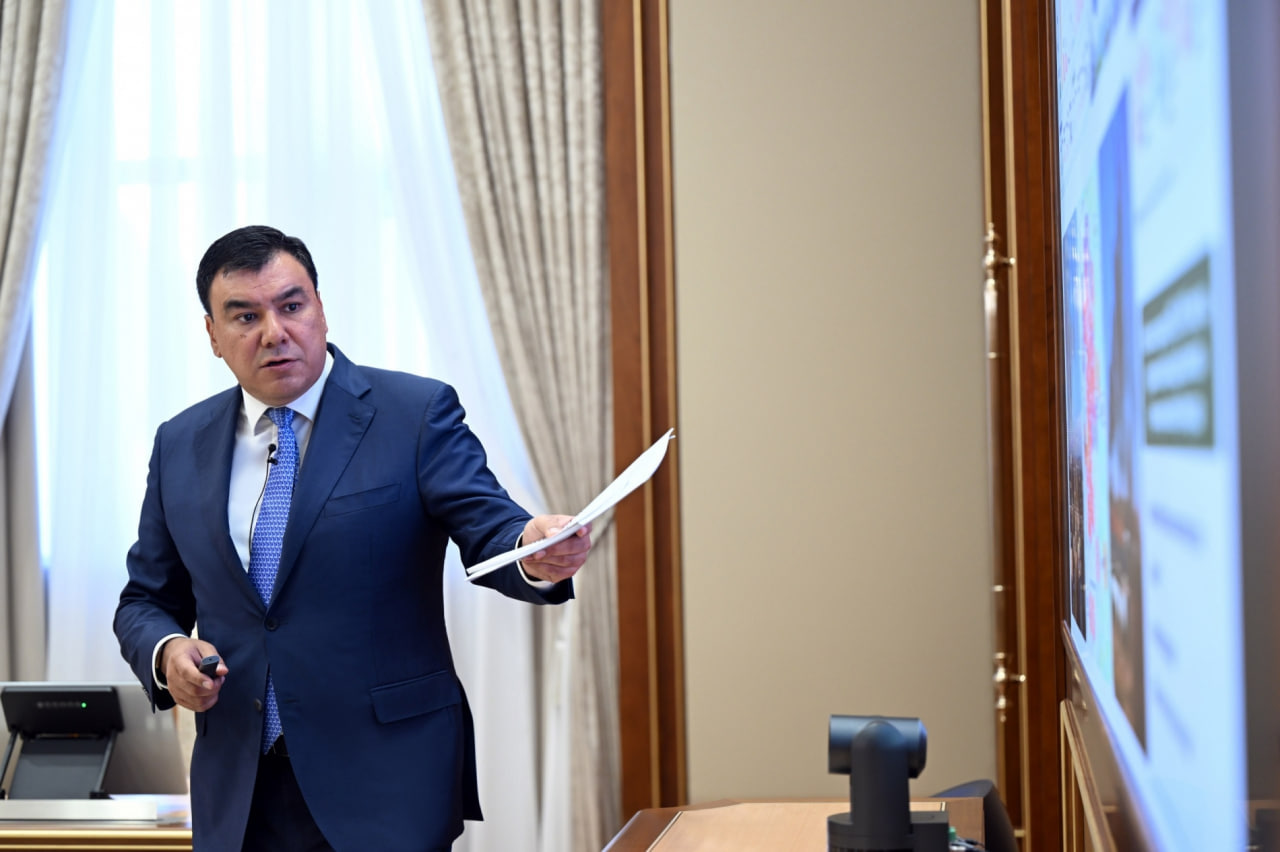
The plan also proposes introducing a special environmental and urban planning regime for the city. New developments and reconstruction projects will be required to comply with green building standards, including the use of energy-efficient and water-saving technologies, as well as waste sorting and recycling systems. Buildings that fail to meet environmental requirements will not be approved for operation.
Transport is one of the project's central priorities. Authorities plan to purchase 50 high-capacity electric buses, install 150 new traffic lights, and fully transition Samarkand's public transport network and taxi fleet to electric vehicles by 2030.
The strategy also includes the introduction of Park & Ride facilities, the creation of pedestrian tourist zones, and the gradual restriction of private vehicle access to the city center.
Water management and urban greening also feature prominently in the proposal. Plans call for the construction of at least four artificial lakes and reservoirs, 10 new fountains, the modernization of existing fountains, and the restoration of 319 kilometers of the city's traditional irrigation canal network.
A 102.7-kilometer green belt covering 3,532 hectares is planned along the New Greater Ring Road. The belt is expected to reduce dust levels and air temperatures while serving as a natural environmental buffer around the city.
Another flagship initiative is the development of Green City Samarkand, a new 300-hectare district where residential, commercial, tourism, and public facilities will be built in accordance with international green city standards.
The industrial component of the program proposes introducing best available technologies, the Zero Visible Emission system, and digital environmental monitoring at industrial enterprises. Eight Category I and II enterprises identified as posing significant environmental risks are expected to be relocated outside the city.
The waste management strategy centers on the Zero Waste Samarkand concept, which includes expanded waste sorting and recycling, along with a digital system to detect and record illegal dumping.
The roadmap also calls for the development of a Carbon Neutral Samarkand strategy, new financing platforms for environmental projects, an open system for monitoring environmental indicators, the introduction of the Green Samarkand brand and the Green Hotels Samarkand rating, as well as biodiversity conservation initiatives.
According to the project's developers, the program is intended to position Samarkand as the green investment and innovation capital of Central Asia by the end of the decade.