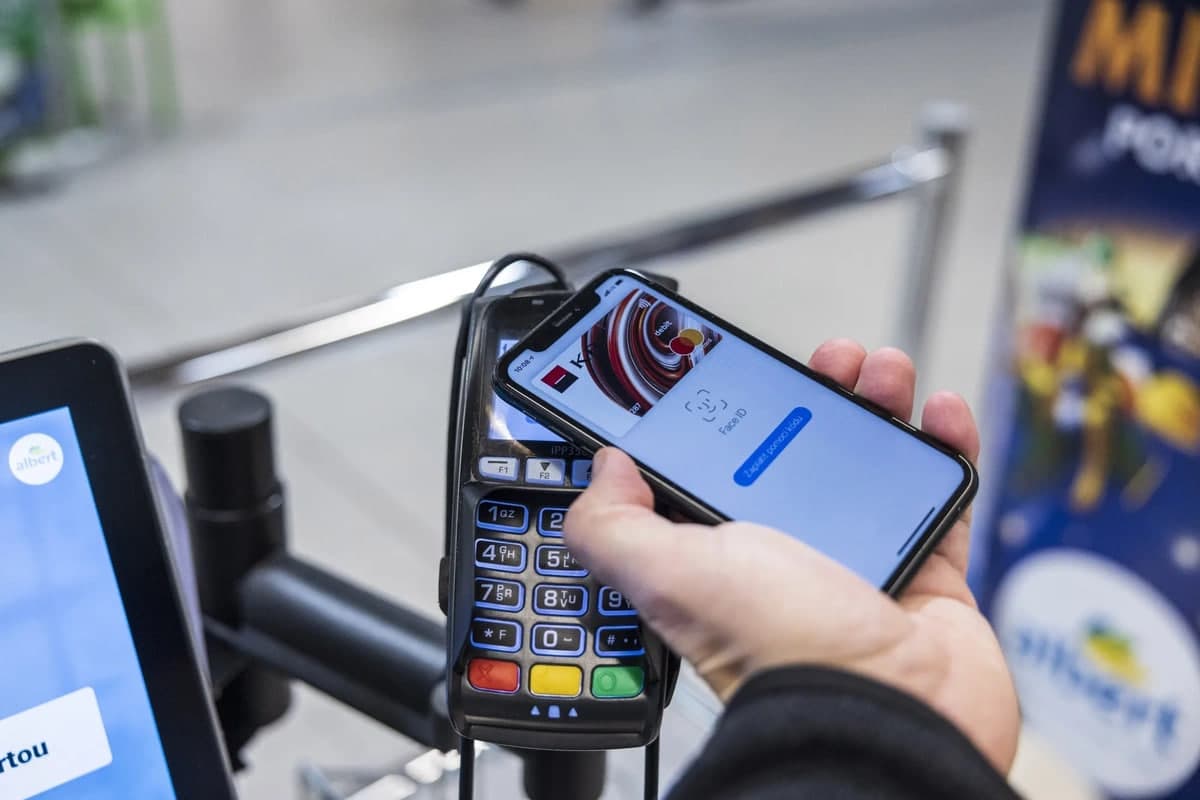
The regulator told Spot that technical work is currently underway to enable the two international payment platforms in the country.
A source familiar with the matter said negotiations with Apple and Google are scheduled for September. The talks are expected to focus on preparations for launching the services rather than the launch itself.
The development follows legislative changes signed into law by President Shavkat Mirziyoyev on March 26, amending the country's Law on Personal Data. The amendments removed the requirement to store all personal data on servers physically located in Uzbekistan. The localization requirement now applies only to biometric and genetic data, as well as subscriber data held by telecommunications operators. Other categories of personal data may be processed abroad provided certain legal conditions are met.
However, Shukhratbek Kurbanov, author of the Telegram channel Kurbanoff.net, said the legal changes alone do not guarantee the immediate arrival of Apple Pay or Google Pay.
According to him, the law establishes the conditions for cross-border data transfers but requires several implementing regulations before it can be fully applied. These include approving a list of countries that provide an adequate level of data protection, setting standard contractual requirements, and defining international standards for data storage. Three months after the law was adopted, none of these regulations had been approved.
"Until these measures are implemented, any cross-border transfer of personal data remains legally uncertain," Kurbanov said.
He also noted that even after the regulatory framework is completed, including Uzbekistan in the rollout plans for Apple Pay or Google Pay will remain a commercial decision for the companies themselves. The legal amendments create the necessary framework but do not guarantee that either company will enter the Uzbek market.
At the same time, Kurbanov said Uzbekistan's technical infrastructure is already capable of supporting the services. NFC-enabled payment terminals have become standard equipment in shops, pharmacies, cafes, and fuel stations across the country.