
The report cites Order No. 106, signed by Migration Agency Director Behzod Musayev on July 24, 2025, which establishes tariffs for services related to overseas employment. The document is marked "For official use."

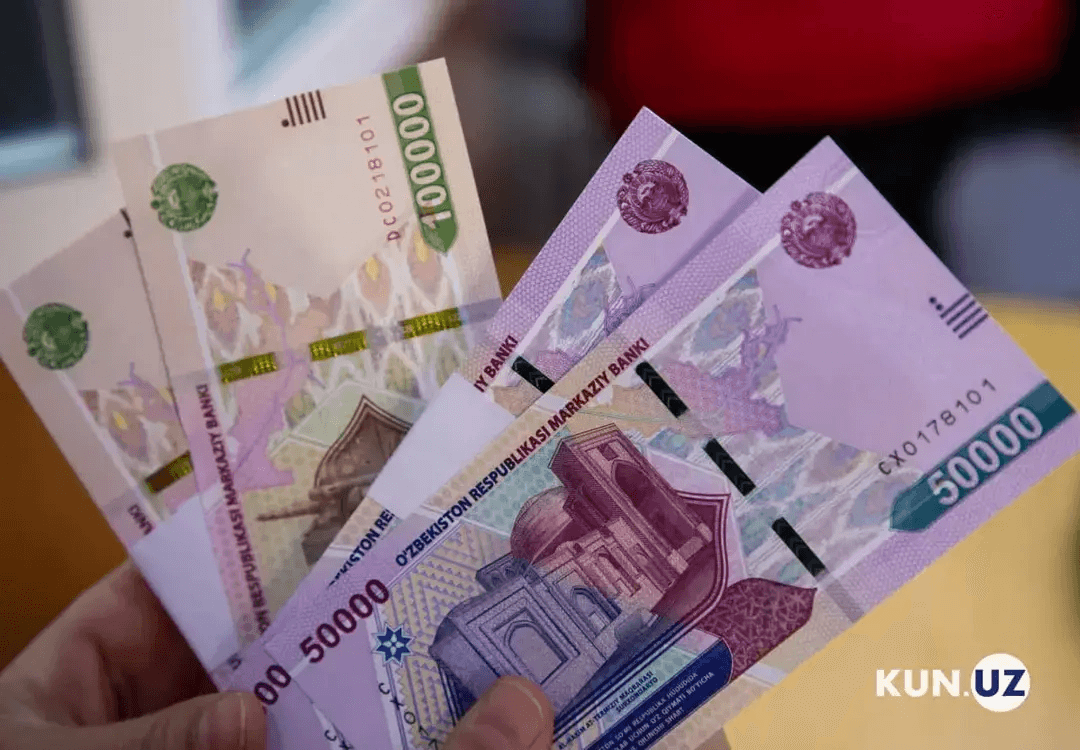
Under the order, Uzbek citizens traveling to South Korea on E-9 visas are required to pay a total service fee equal to 50 BCA. Of that amount, 40 BCAs are charged for overseas employment services, while the remaining 10 cover pre-departure training and adaptation.

Vatandosh notes that the tariff stands out when compared with fees for other destinations.

According to the publication, the service fee for employment in Japan is set at 10 BCAs, while workers sent to Turkey through organized labor migration programs pay only three. Citizens traveling to European countries, Russia and several Arab states are exempt from Migration Agency service fees until the end of 2026.

The outlet asks why South Korea is treated differently, questioning the economic justification for charging five times more than Japan and substantially more than other destinations.

It argues that fees imposed by state institutions should be supported by transparent economic calculations rather than discretionary decisions, since they represent mandatory payments collected by a government agency rather than prices set by private companies.

Report points to South Korean funding under EPS program

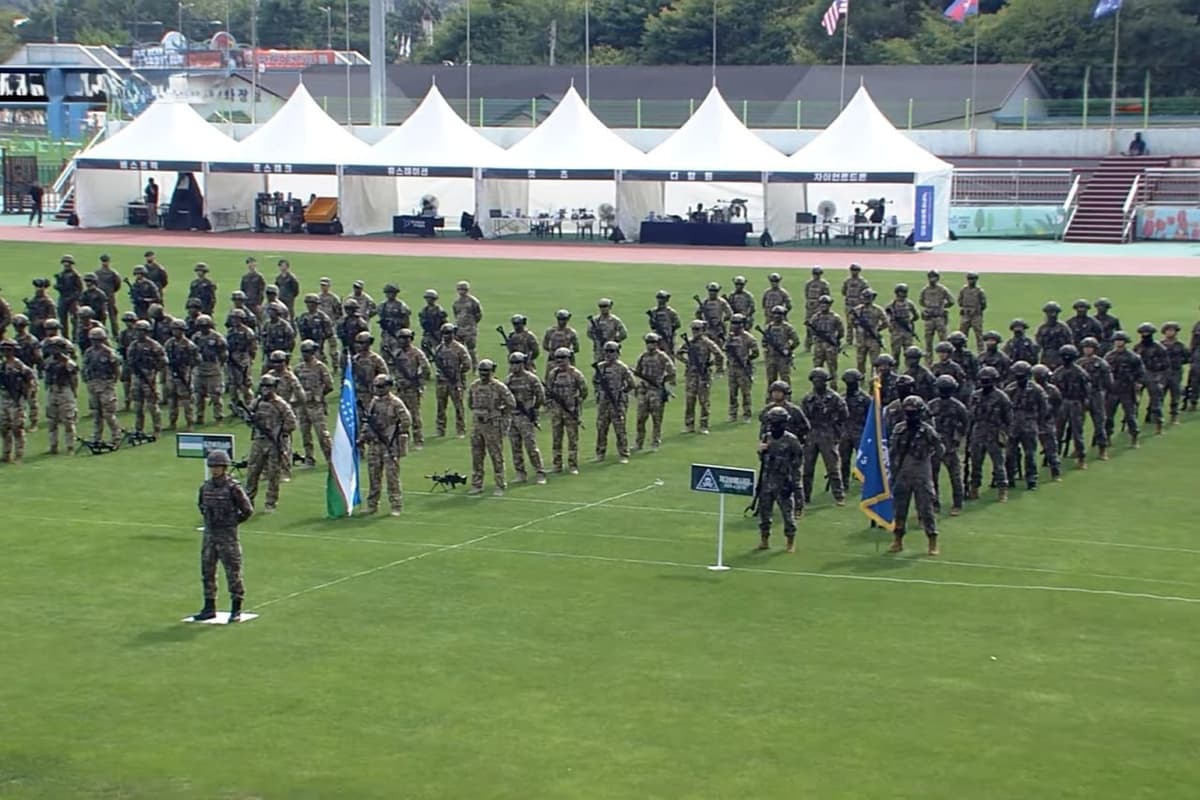
Labor migration to South Korea is organized under the Employment Permit System (EPS), a government-to-government program rather than one involving private intermediaries.

According to Vatandosh, the framework is governed by a Service Commitment Agreement signed in 2022 between HRD Korea and Uzbekistan's authorized body.

Under the agreement, HRD Korea provides examination materials, software, monitoring systems, computers and other technical equipment needed to administer the EPS-TOPIK language test. The Korean agency also covers part of the organizational costs associated with conducting the examinations.

The agreement further stipulates that HRD Korea pays the Uzbek side an entrusted fee of $8 for each applicant to cover local administrative expenses, including the use of facilities and staff remuneration.

In addition, every candidate pays a separate $28 examination fee directly to HRD Korea for participation in the EPS-TOPIK test.

Based on these arrangements, Vatandosh questions the composition of the Migration Agency's 40 BCA service fee, asking how much is allocated to administrative expenses, how much is spent on services provided to migrants, and how the remaining funds are used.

The publication argues that citizens have the right to know how mandatory state service charges are calculated and how the collected funds are spent, describing transparency and accountability as fundamental principles of public administration.

Agency lists services covered by the fee

The Migration Agency has previously published a list of services provided to citizens traveling to South Korea.

According to the agency, these include pre-departure preparation and adaptation, the provision of special clothing and informational materials, organizational support before departure, reception in South Korea, protection of workers' labor rights, workplace monitoring, and repatriation assistance when necessary.

At the same time, the agency has clarified that airfare, medical examinations and visa processing are not included in the service fee. The pre-departure training and adaptation program is charged separately at 10 BCAs.

Total mandatory costs exceed UZS 25 million

According to Vatandosh, a candidate traveling to South Korea under the E-9 visa program is expected to cover several mandatory expenses.

These include a $28 EPS-TOPIK examination fee paid directly to HRD Korea, a medical examination at K-Medwel Clinic designated by the Embassy of the Republic of Korea in Uzbekistan, costing about UZS 1 million, and a $70 visa fee.

The Migration Agency charges UZS 16.48 million for overseas employment services, equivalent to 40 BCAs as of July 2026, while pre-departure training and adaptation cost an additional UZS 4.12 million.

Airfare is purchased separately by the applicant. According to the report, the Migration Agency obtains quotations from several airlines and books tickets based on the most competitive offer. Ticket prices vary depending on the travel date but typically start at around UZS 3 million.

Insurance is not included among the mandatory payments.

Taken together, the publication estimates that the total official cost of obtaining employment in South Korea under the E-9 program exceeds UZS 25 million.