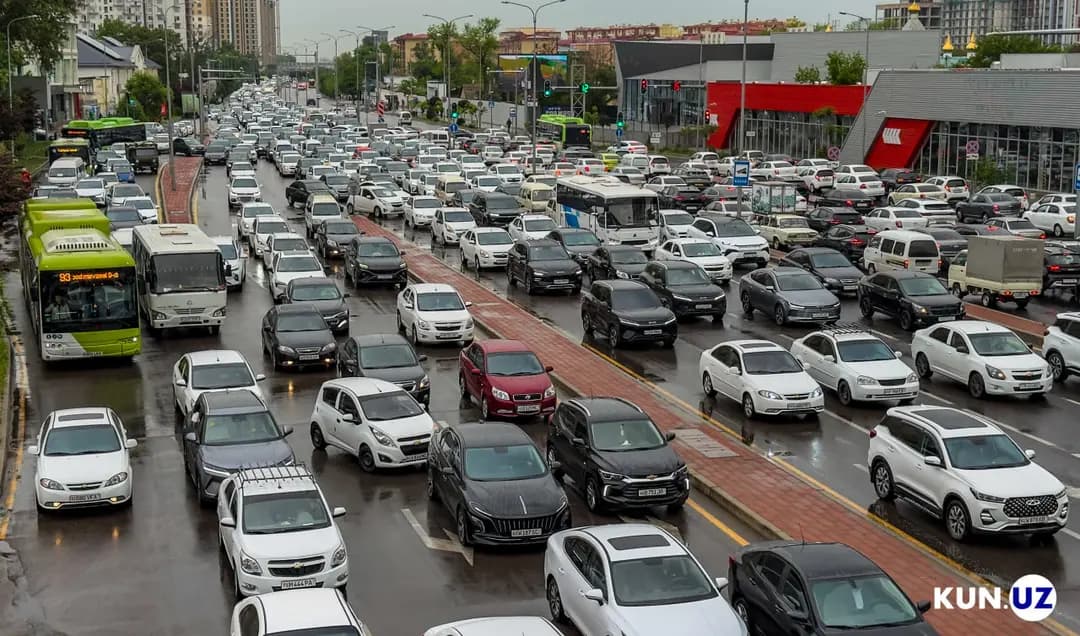
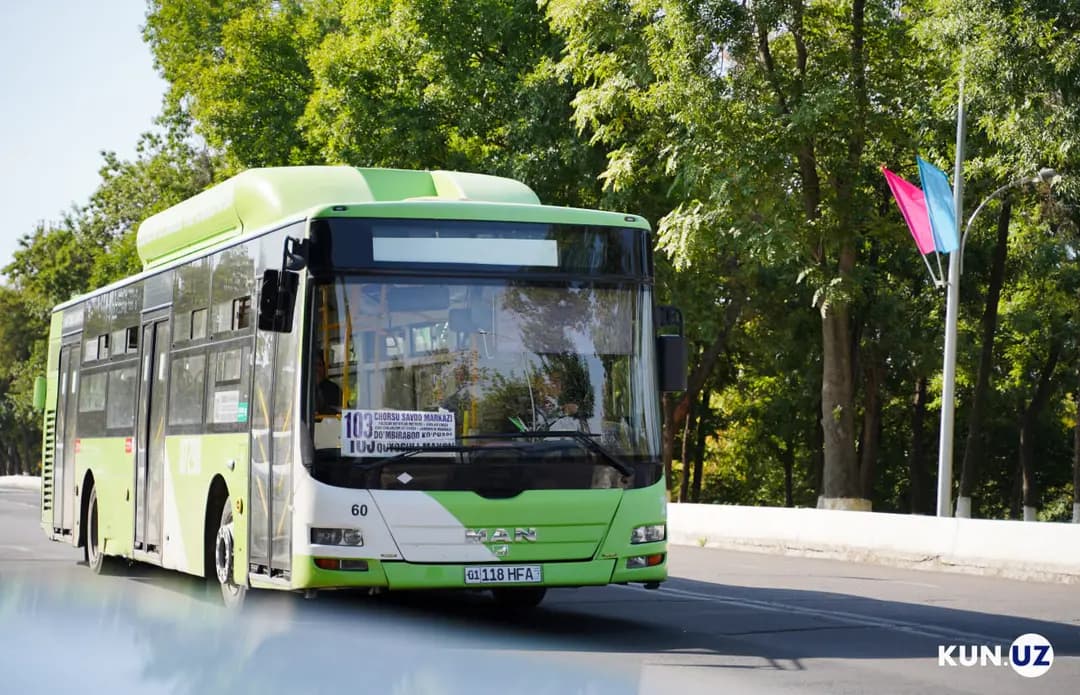
According to the institute, government subsidies currently cover 65.1% of public transport operating costs. The volume of subsidies has continued to increase, rising from UZS 1 trillion in 2024 to UZS 1.2 trillion in 2025 and reaching UZS 1.385 trillion in 2026.
The institute estimates that financing public transport under gross contracts requires about UZS 1.9 trillion annually, of which UZS 1.3 trillion is allocated to Tashkent's public transport system.
Experts noted that while state support for the sector has grown steadily, the effectiveness of the transport system and the outcomes of subsidy spending are not being assessed with sufficient transparency.
To address these issues, the institute proposed optimizing routes with low passenger demand, increasing fares to economically justified levels, expanding public transport services across the country's regions, replacing broad-based fare subsidies with targeted support for eligible groups, and linking payments to transport operators to key performance indicators (KPIs).
Earlier this month, the Fiscal Analysis Institute also proposed abolishing Uzbekistan's 1% tax cashback program.
According to the institute's experts, the scheme initially played an important role in encouraging consumers to request fiscal receipts. However, once the practice became routine, the need for universal cash incentives gradually diminished, making it appropriate to phase out the program.