
Some 53% of surveyed entrepreneurs said the business environment had improved during the quarter. The most noticeable gains were reported in construction, transport, manufacturing and trade.
Businesses also gave positive assessments to the quality of banking services, access to credit, the competitive environment and licensing procedures. At the same time, tax administration, road infrastructure, gas and electricity supplies, and the level of monopolization received relatively weaker assessments.
Energy disruptions emerge as leading constraint
Business activity showed signs of strengthening during the quarter. The share of entrepreneurs reporting an increase in orders rose by 4 percentage points year on year, while the share reporting higher production increased by 7 percentage points. Growth in orders was driven mainly by construction, tourism, handicrafts and trade.
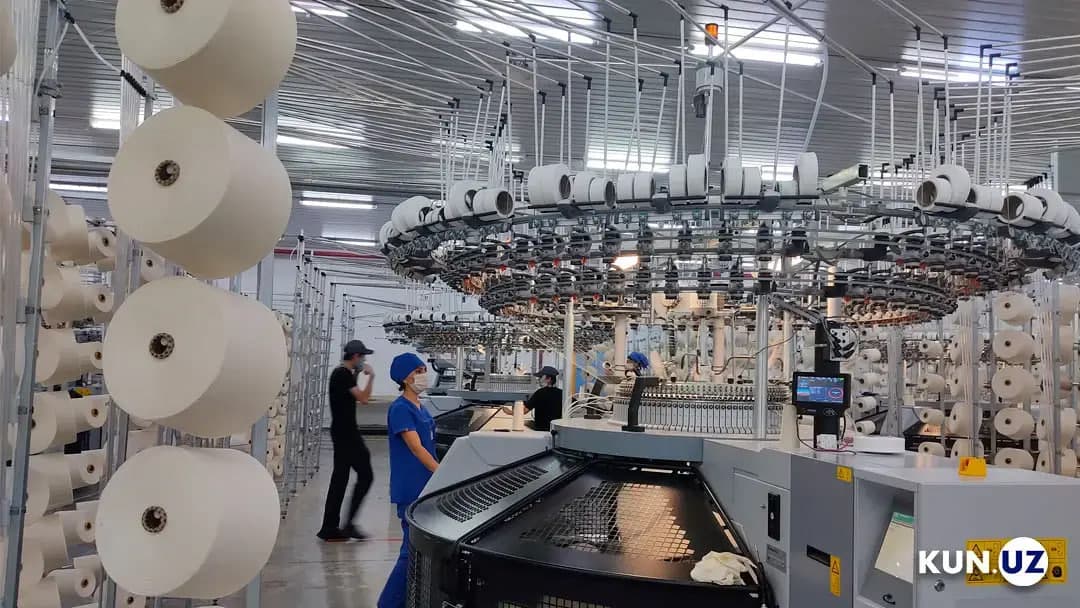
The utilization of production capacity also increased sharply. The share of businesses operating at high capacity rose from 43% in the second quarter of 2025 to 61% this year. The highest capacity utilization was recorded in healthcare, transport, communications and information technology.
However, businesses continued to face several obstacles to operating at full capacity. The most frequently cited problem was disruption to gas and electricity supplies, followed by insufficient demand, higher motor fuel prices and logistics problems.
Around 35% of respondents identified gas and electricity disruptions as a factor limiting their operations, up from about 21% a year earlier. Insufficient demand was cited by around 23% of businesses, while approximately 20% pointed to higher motor fuel prices and 19% to logistics disruptions.
Entrepreneurs also reported difficulties related to working capital shortages, high rental costs, taxation, labor shortages, equipment failures, a lack of raw materials and administrative inspections.
Compared with the second quarter of 2025, complaints about energy supply disruptions, weak demand and logistics problems became more common.
Demand for workers and credit remains strong
Labor market activity remained relatively robust, with a slight increase in the share of entrepreneurs reporting higher demand for additional workers compared with a year earlier. Industries that recorded growth in orders also reported strong demand for labor.