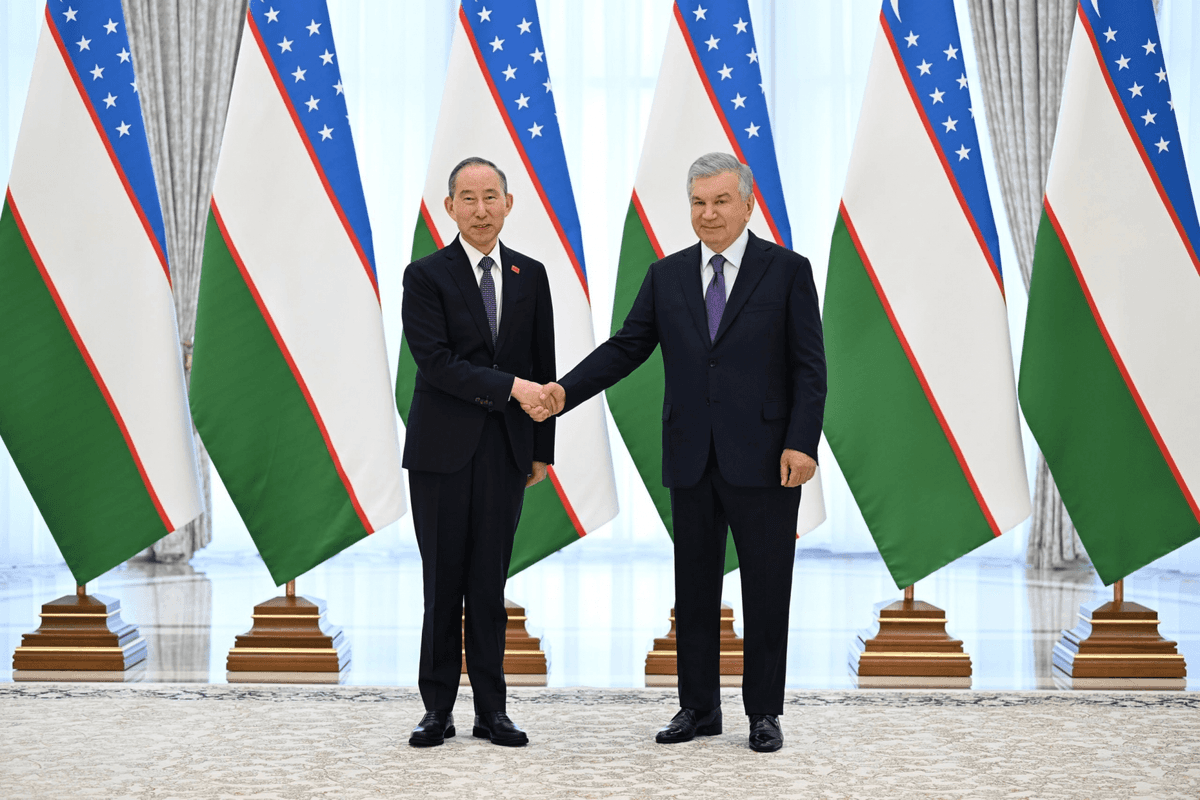
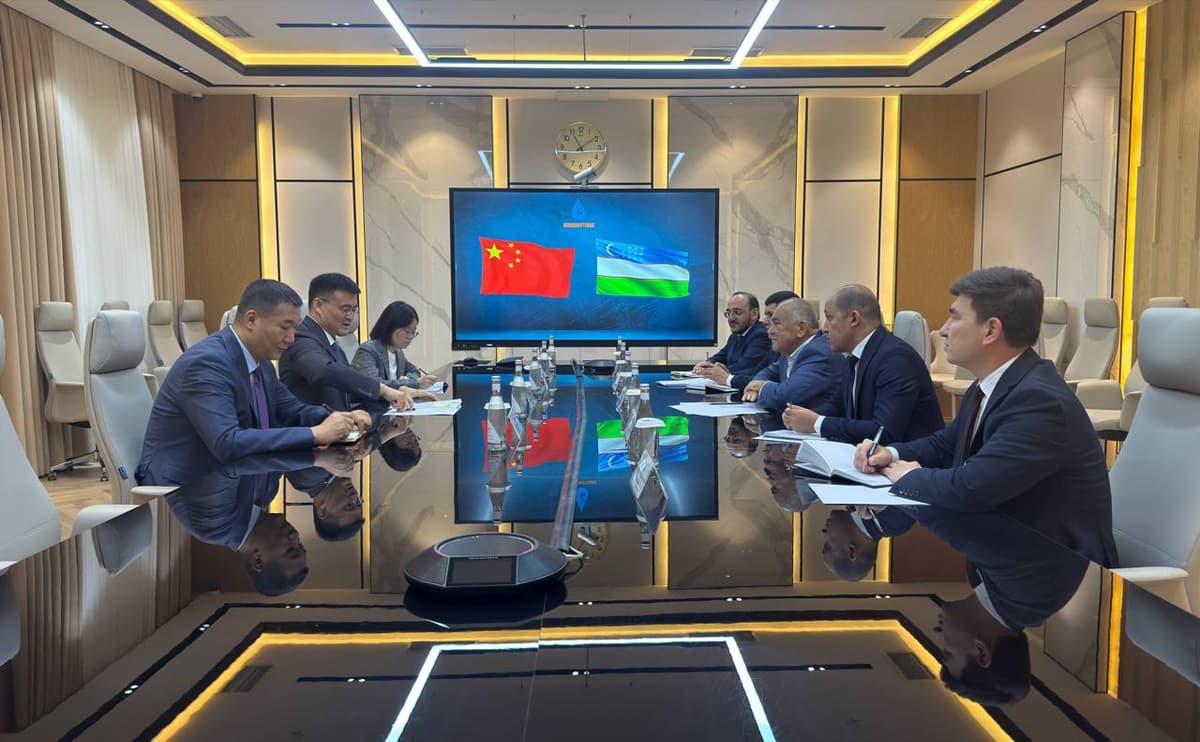
The issue was discussed at a meeting between Uzbekneftegaz Chairman Abdugani Sanginov and a Chinese delegation led by Ambassador Yu Jun.
The talks focused on expanding strategic cooperation and joint investment projects in the oil and gas sector, as well as identifying new areas for collaboration. Uzbekneftegaz is already working with major Chinese companies including CNPC, China National Petroleum Corporation, CCDC, BGP, Jereh and Honghua on projects involving geological exploration, well construction, oilfield services and the introduction of modern technologies.
Particular attention was given to securing long-term supplies of Jet A-1 from China. Uzbekneftegaz said such arrangements would help diversify the country’s aviation fuel sources and create a more resilient supply system.
The sides also discussed greater support from the Chinese embassy in establishing direct cooperation with China National Aviation Fuel Group (CNAF) and Sinopec. CNAF is China’s largest state-owned aviation fuel supplier, while Sinopec is one of the country’s largest integrated energy and chemical companies.
Uzbekistan’s demand for aviation fuel is rising. According to the president’s press service, the country’s projected aviation fuel requirement for July–December 2026 is expected to increase by 27% to 375,000 tonnes. The rise is attributed to an increase in air traffic on routes through Central Asia and to Uzbekistan amid heightened geopolitical tensions.
Most of the demand is expected to be met by domestic refineries. However, restrictions imposed by some partner countries on petroleum product exports have prompted Uzbekistan to import aviation fuel from Georgia, Iraq and other countries.
Uzbekneftegaz plans to produce 310,000 tonnes of jet fuel by the end of 2026. The state-owned company’s management has instructed relevant officials to prepare proposals to increase the production of aviation and diesel fuel.