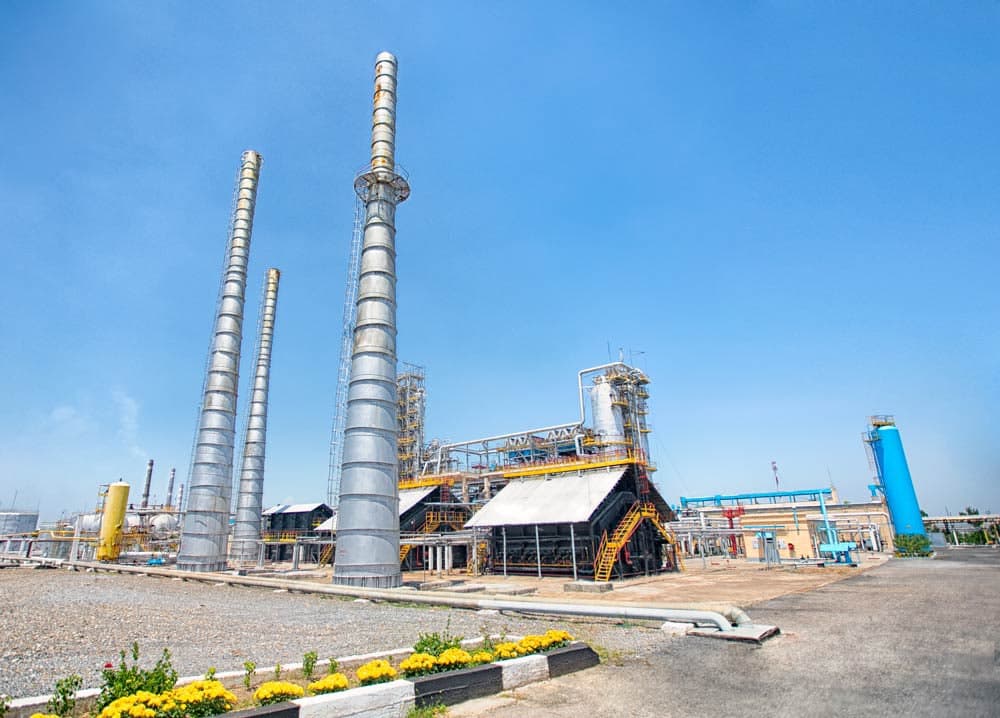
The power grids and related infrastructure will remain state-owned, while Aksa will receive them for use and operation. The private operator will also receive guaranteed payments for modernizing and operating the network.
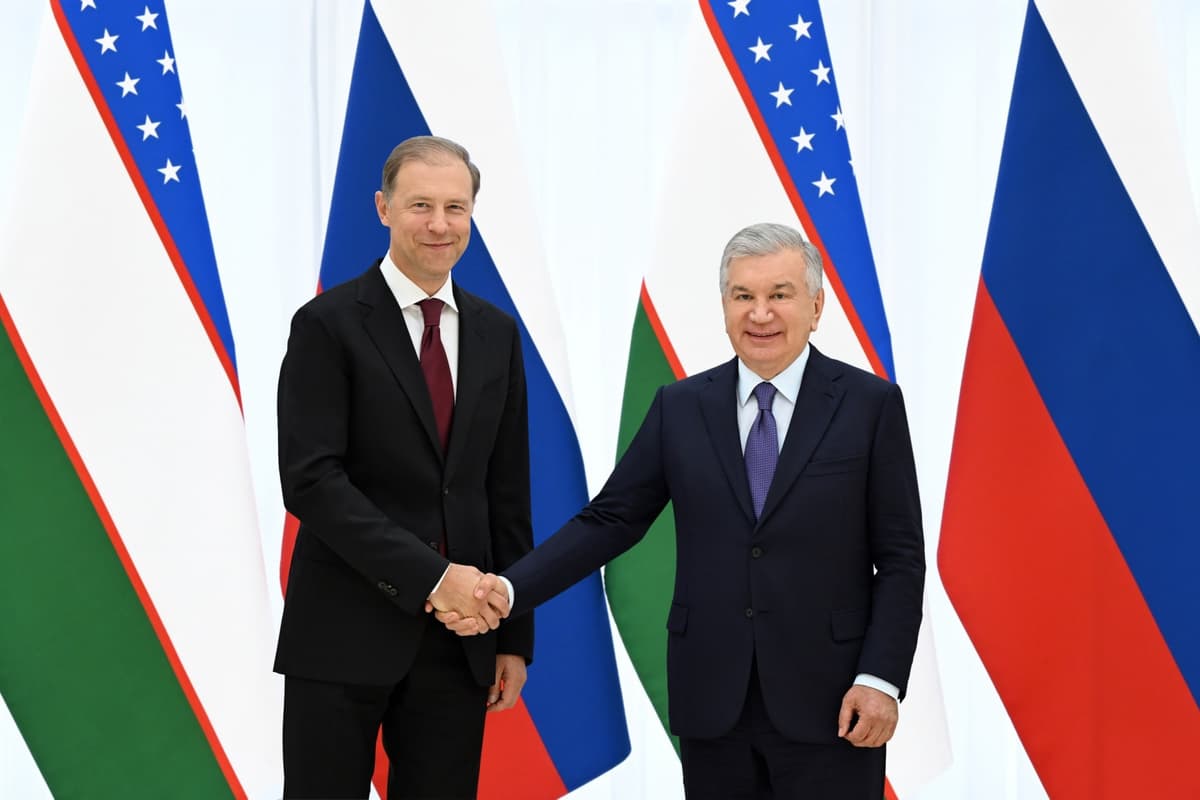
President Shavkat Mirziyoyev approved measures to implement the public-private partnership project on August 14. The project covers the modernization and management of Samarkand region’s distribution power grids.
Aksa Elektrik was selected as the winner of an international tender in November. At the time, the company was reported to be planning $1 billion in investment over a 30-year management period.
Power losses to be reduced annually
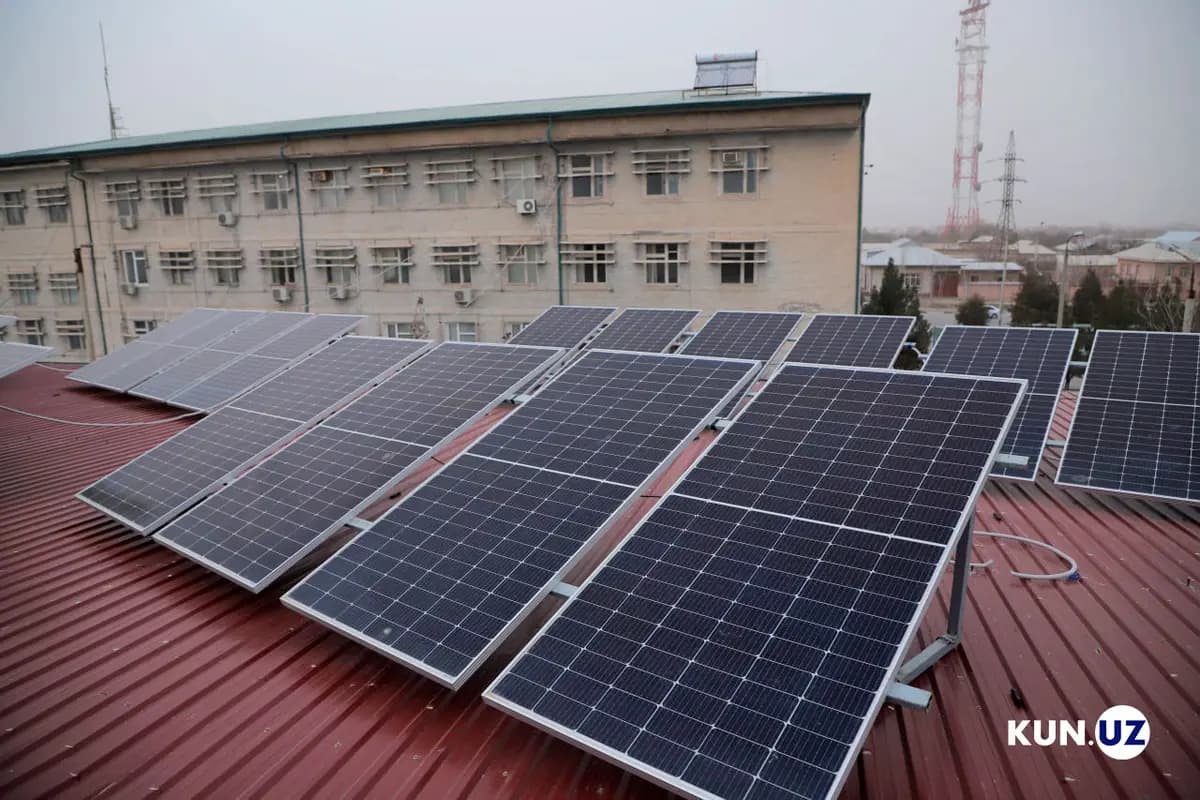
One of the project’s main objectives is to steadily reduce electricity losses in Samarkand region’s distribution networks.
If a technical audit finds annual losses of 20–25%, the operator will be required to reduce them by 1.4 percentage points each year. If losses are between 15% and 20%, the annual reduction target will be 0.6 percentage points.
The project also aims to reduce government spending and the state’s role in the economy by bringing in private operators, strengthen competition and improve the quality and reliability of electricity supplies.
$357 million investment commitment
Aksa has established AKSA Samarqand Electricity Distribution in Uzbekistan to implement the project. On January 29, the Ministry of Economy and Finance and the private partner signed a state support agreement, while Regional Electric Networks signed the public-private partnership agreement.
Aksa and its subsidiary are required to attract $357 million in direct investment during the first 12 years. The funds will be used to expand the existing distribution system, modernize and reconstruct power grids, and operate the infrastructure.
The operator must invest at least $27 million during the first two years. Subsequent investments will be made under approved five-year development plans and annual investment programs.
The company will not have to wait until the end of the two-year transition period to begin upgrading critical infrastructure. It can launch modernization and expansion projects earlier, subject to approval from the Ministry of Economy and Finance, the Ministry of Energy and the Agency for Development and Regulation of the Energy Market.

Grid assets to remain state-owned
Regional Electric Networks, together with the Agency for Management of State Assets, will inventory Samarkand region’s power grids and related infrastructure, including equipment, facilities, information systems and technological systems.
The assets will then be provided to the private partner free of charge for operation. Aksa will not be allowed to acquire ownership of or dispose of the assets.
If additional land is required to expand the network or build new facilities, the operator will be able to lease land at a rate equivalent to the applicable land tax.
State guarantees operator’s revenue
The agreement provides the private partner with guaranteed income for services delivered under the terms of the public-private partnership.
Regional Electric Networks will reimburse the operator for the costs of modernizing and expanding the distribution networks through monthly payments. The payments will be denominated in foreign currency but made in Uzbek soums.
The operator will also receive separate payments for operating the power grids at a price set in the national currency.
To secure its obligations, Aksa must provide a bank guarantee. The guarantee will amount to $5 million during the first two years. In subsequent periods, it must be at least $5 million or 5% of the investment envisaged under the relevant five-year plan, whichever is higher.
What will happen to existing grid workers
The resolution also sets out arrangements for transferring employees of the state-owned grid company to the private operator.
Regional Electric Networks will provide Aksa with information on its employees, including their qualifications, work experience and positions. The private partner will then decide which employees to offer jobs to. Employment terms for those transferred must not be less favorable than those stipulated in their existing labor contracts.
Employees who accept the offers will have their employment with the state-owned company terminated in accordance with the law. Regional Electric Networks will be responsible for severance payments and other mandatory compensation arising from the transition.
Aksa will subsequently be responsible for payments related to the termination of employment contracts it concludes with the workers.
The agreement must also limit the number of foreign specialists brought into the project, establish a strict quota for foreign workers and require the transfer of expertise to local staff. It specifically prohibits unjustified dismissals of local employees.
Operator allowed to open foreign bank accounts
The private partner will be allowed to open accounts with foreign banks to receive and use loans and other funds in foreign currency.
The company will also be able to make direct payments to foreign contractors, suppliers and creditors without routing the transactions through banks in Uzbekistan. All taxes and fees required by Uzbek law must still be paid.
The Ministry of Energy and the Ministry of Economy and Finance will oversee implementation of the project and the parties’ obligations. Energy Minister Sherzod Khodjaev has been designated responsible for executing the resolution, while Prime Minister Abdulla Aripov will coordinate the work of the relevant agencies. Khodjaev was appointed energy minister on July 27, replacing Jurabek Mirzamakhmudov.
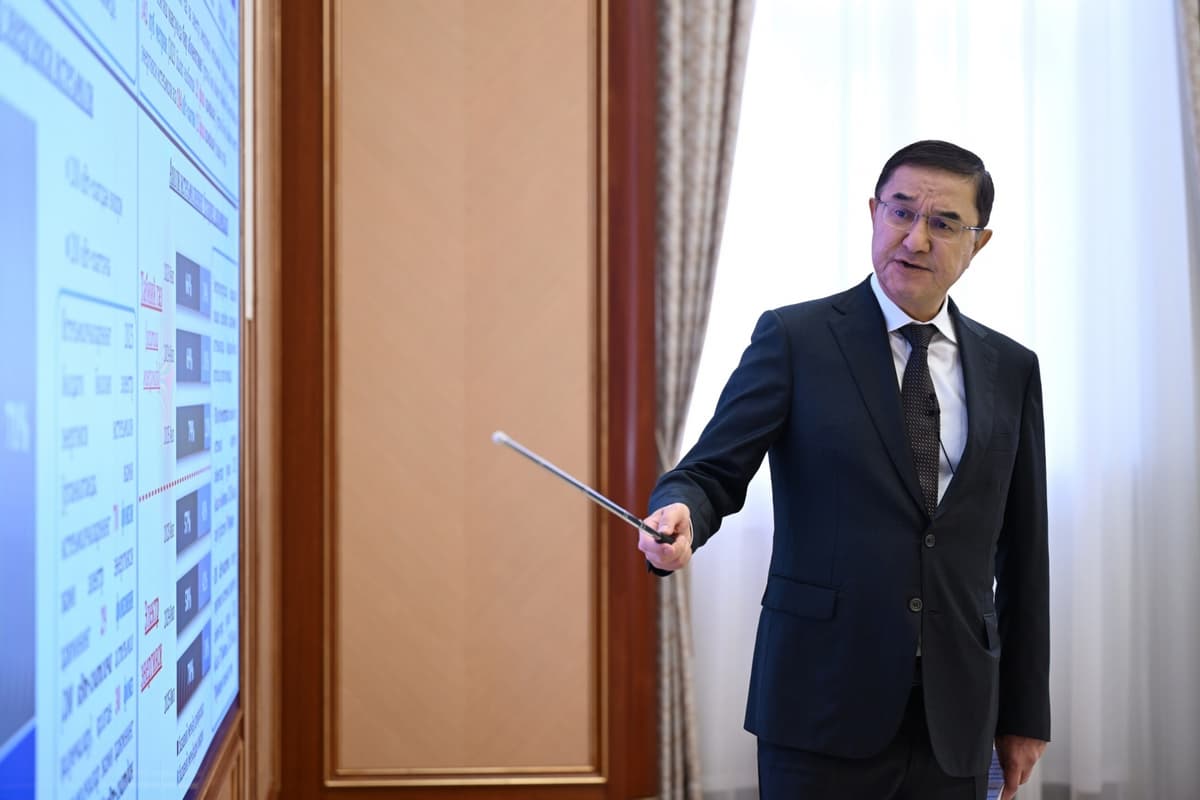
After a presidential presentation on August 13, Khodjaev said the Samarkand project would be Uzbekistan’s first case of transferring power grids to a private operator with binding investment commitments. He said Aksa would handle the operation, construction, reconstruction and modernization of the networks, with the workforce remaining predominantly local. Only 10–15 foreign specialists are expected to be brought in.
Aksa has already identified around 400 priority microprojects to be implemented over two years, following a “neighborhood by neighborhood” approach. At least 90% of products used in the modernization of the networks are expected to be purchased from local manufacturers.
The authorities will assess whether to extend the model to other regions after the project is completed.
The broader transfer of Samarkand’s regional power grids to private management is part of Uzbekistan’s effort to at1tract private investment into electricity distribution. President Mirziyoyev has said Aksa will modernize the network, invest in it and gradually halve electricity losses, potentially saving an average of $20 million a year.