The state-owned company said the problems had been compounded by insufficient oversight by the shareholder itself and that it would introduce a new system to exercise greater control and protect its rights as a founder.
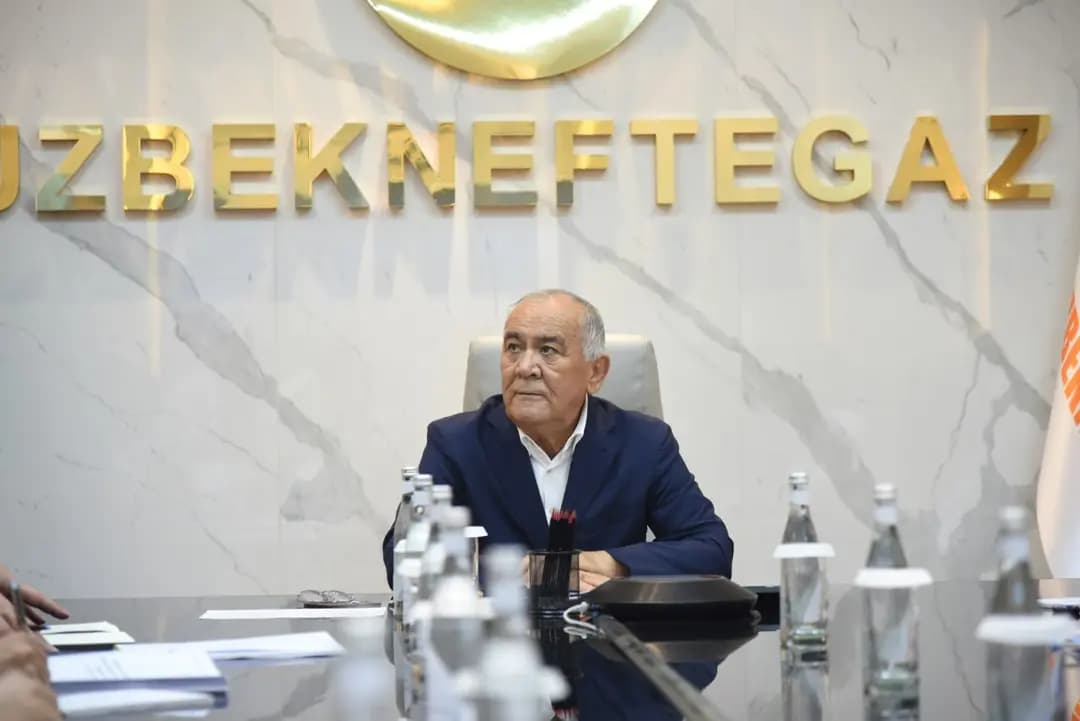
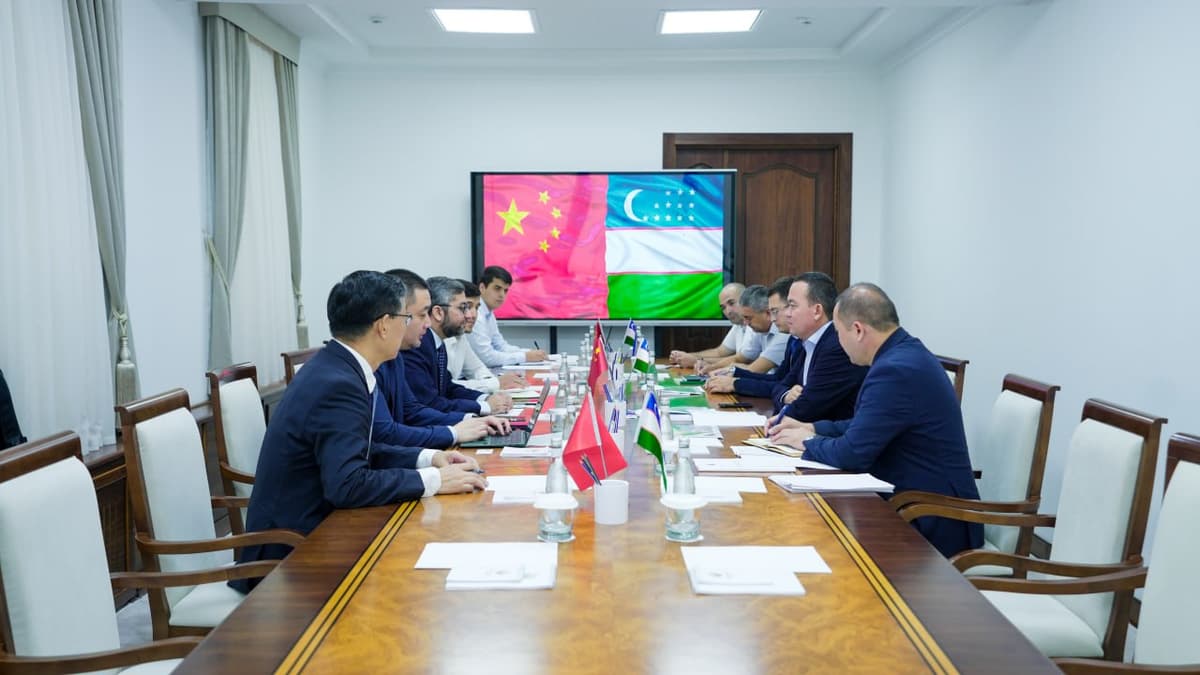
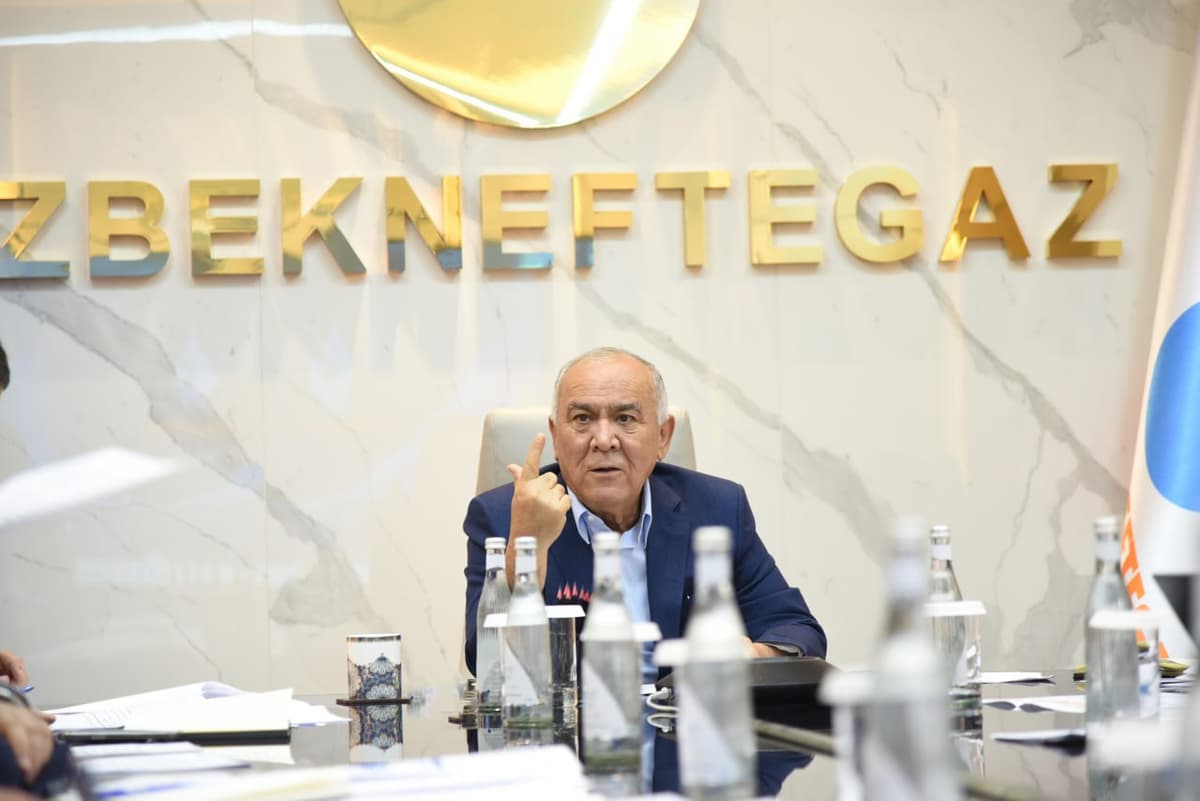
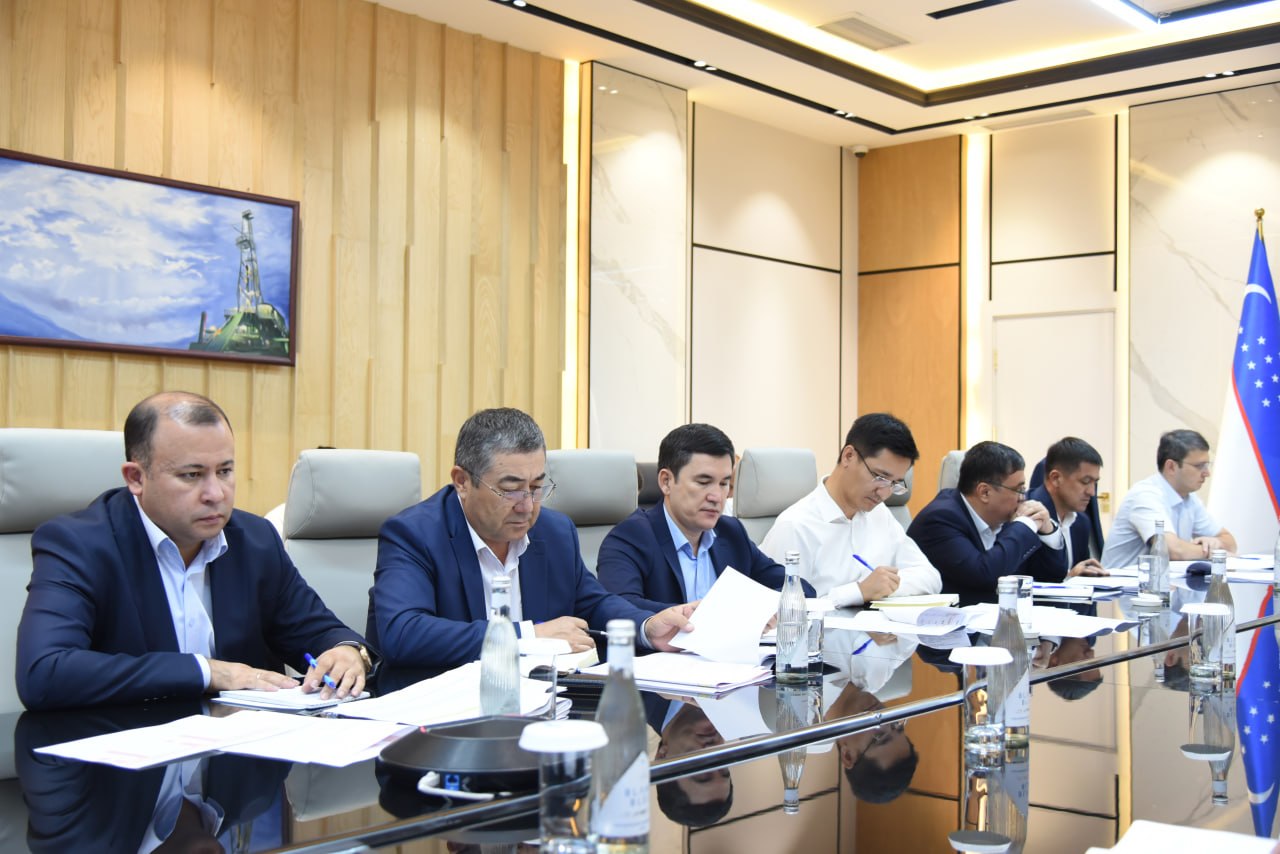
The issue was discussed at a meeting chaired by Uzbekneftegaz chairman Abdugani Sanginov, focusing on the operations of Natural Gas-Stream, New Silk Road Oil and Gas and ANDIJANPETRO.
A preliminary review identified what the company described as a number of systemic problems in management, accountability and financial discipline. Some of the joint ventures lacked sufficiently regulated operational procedures, while accounting and financial reporting did not provide the required level of transparency, Uzbekneftegaz said.
The mechanisms for reporting to Uzbekneftegaz were also not fully established.
The company said production volumes at some ventures had been declining annually, while concerns had also been raised about the efficiency of investment spending, weak financial sustainability and the failure to fully meet dividend payment obligations.
According to Uzbekneftegaz, the absence of adequate oversight by the founder had contributed to the deterioration of these problems. The company’s management said such an approach would no longer be tolerated.
Under the new system, Uzbekneftegaz plans to review the production capacity of the joint ventures, assess the effectiveness of exploration and geological and technical measures, and conduct an inventory of their outstanding debts to the company.
It also plans to digitalize oversight of financial flows and procurement.
All planned activities, investment projects and operational processes at the joint ventures will now require coordination with Uzbekneftegaz. Decisions will be made only after an assessment of their necessity, economic efficiency and cost, the company said.
Particular attention will be paid to the ventures’ financial position and dividend policies. Uzbekneftegaz has set the task of ensuring the full and timely payment of dividends for 2025–2026, settling existing debts and establishing systematic oversight of future obligations.