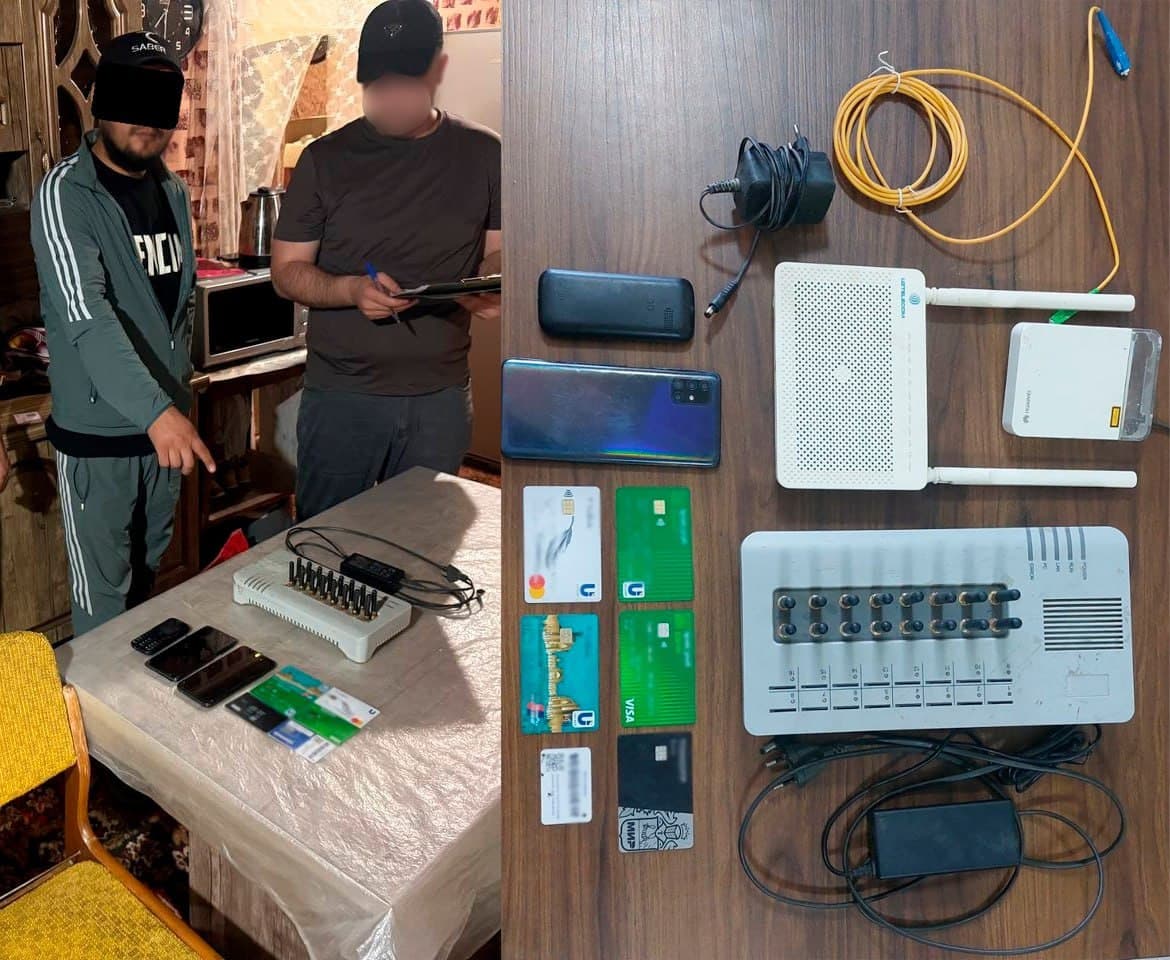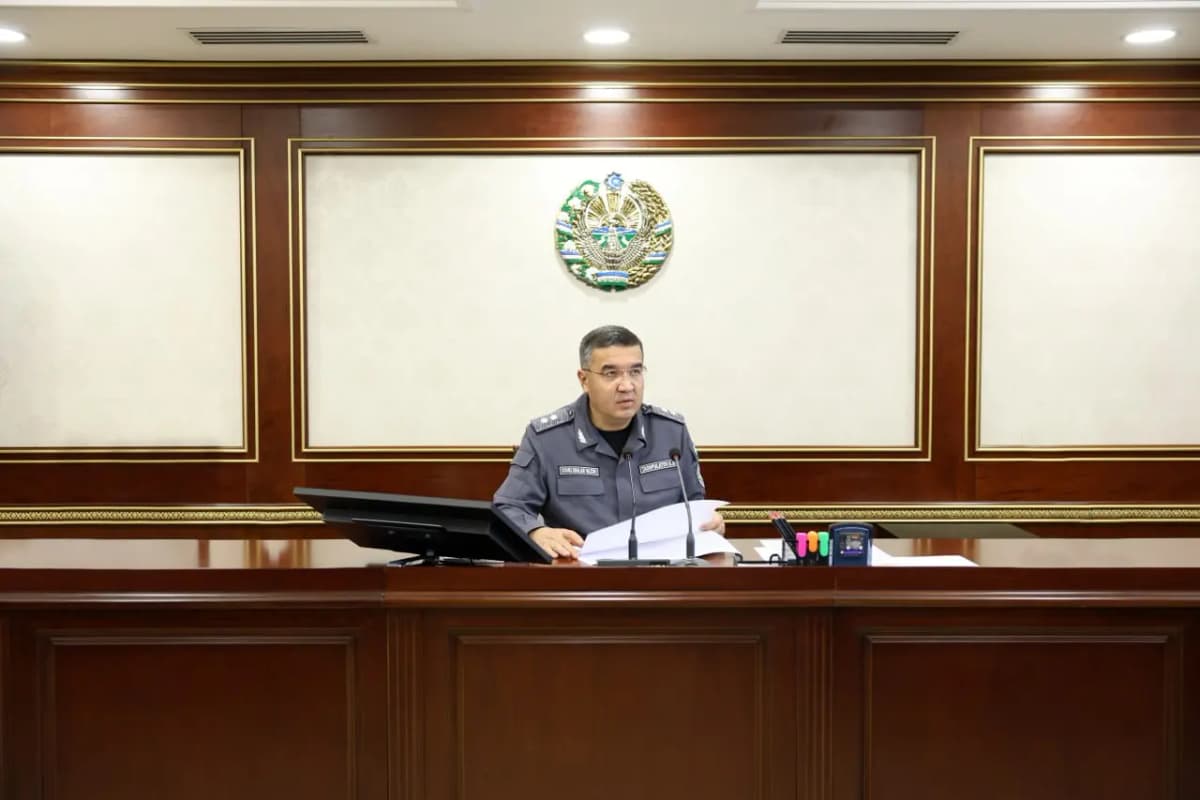
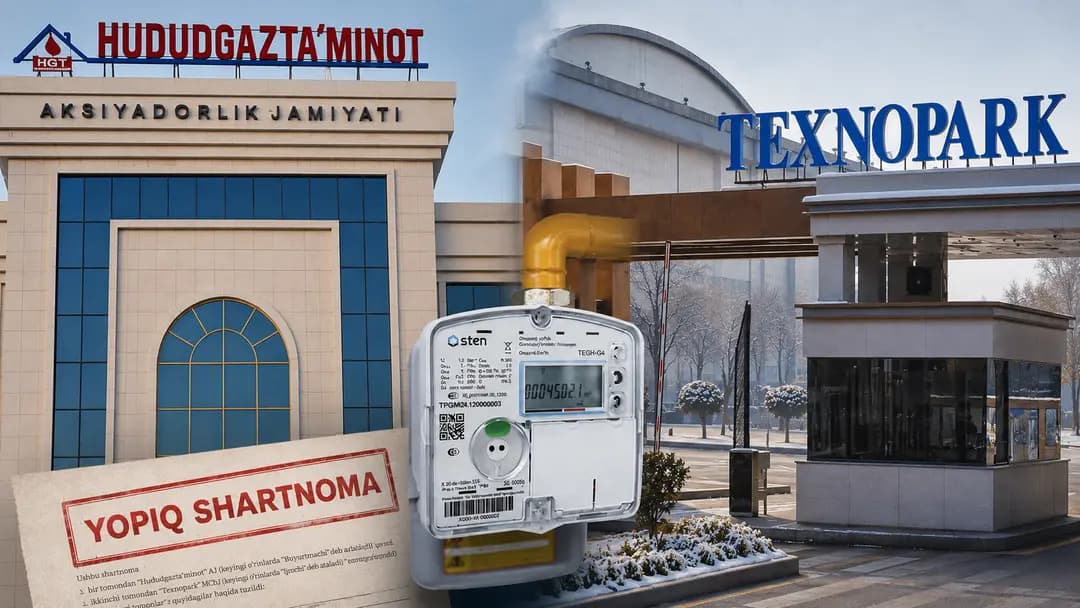
According to the Department for Combating Economic Crimes under the Prosecutor General’s Office, officials from the two companies allegedly colluded with others to misappropriate budget funds under the guise of providing technical maintenance for electronic gas meters.
The investigation has also identified additional damage of UZS 861.1 million to state and public interests after the readings of 273 gas meters installed at consumers’ premises were allegedly understated.
The case has revived questions that have surrounded Uzbekistan’s smart meter program since its launch, including the cost of the project, the selection of the manufacturer and the transparency of the state procurement process.
How the smart meter project began
Uzbekistan announced plans to localize smart gas meter production in 2019, presenting the project as part of efforts to modernize and digitalize the country’s energy system. At the time, the authorities said they were negotiating with Artel over the production of modern electronic gas meters.
The contract ultimately went to Technopark LLC, a company established by the Tashkent city administration, which became the manufacturer and supplier of the meters.
A $50 million plant was launched at the Technopark industrial site in Tashkent in 2020. It began producing Osten-branded meters equipped with SIM cards that could automatically transmit gas consumption data to a central server. Official statements at the time said the facility would have the capacity to produce up to 3 million meters a year.
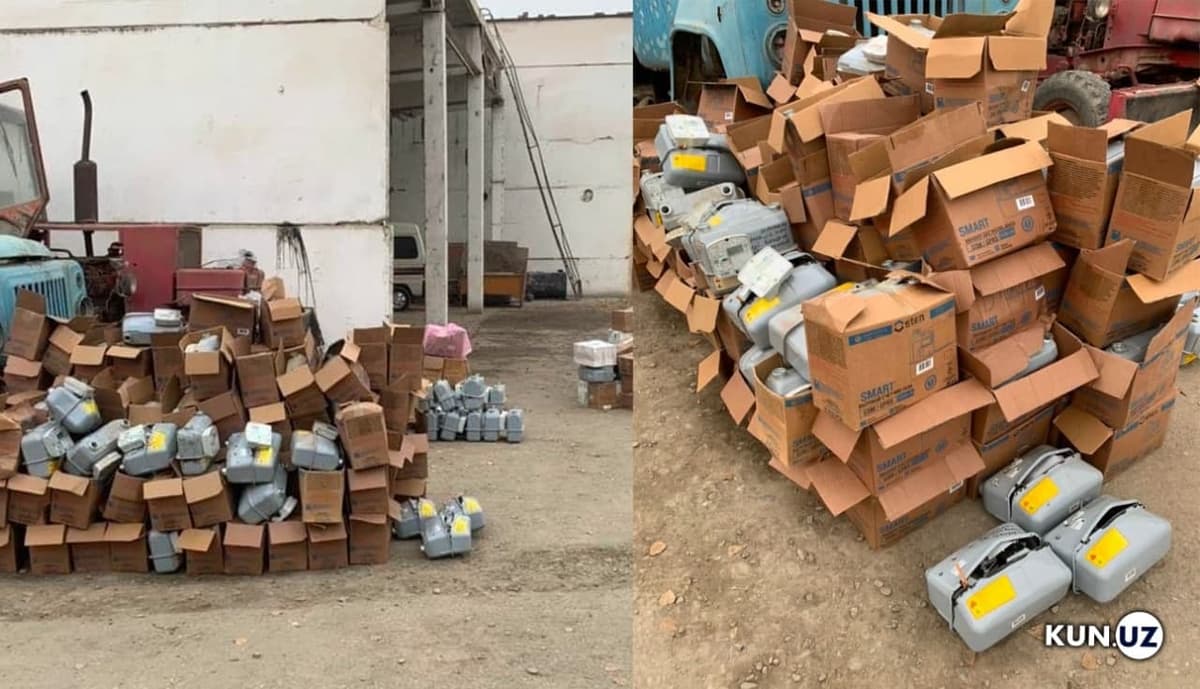
Problems began to emerge after the meters were installed.
In 2020, reports from Andijan said more than 40 smart gas meters had stopped working, while some households reported that meters had caught fire or exploded. Technopark said the meters were covered by quality guarantees and attributed the incidents to errors during installation.

A year later, another Osten meter caught fire in Tashkent's Uchtepa district. Hududgazta'minot said the incident had been caused by external factors rather than a defect in the meter.
Another problem emerged in 2024, when some meters reportedly stopped transmitting data to the central system after their batteries ran out within several years of installation.
In July 2026, President Shavkat Mirziyoyev had also criticized the failure of 300,000 gas meters and 234,000 electricity meters installed in households to transmit data to the network.
Questions over the cost of the project
The financial side of the smart meter program has also drawn public scrutiny.
The state gas company did not publicly disclose the cost of installing the new meters. However, media reports cited a contract signed by Technopark and Hududgazta'minot on April 23, 2020.
The contract covered the supply of 3,546,148 gas meters of various models, 2,455,176 boxes for meters and gas pressure regulators, and 1,292,969 regulators. The equipment was due to be fully delivered by July 1, 2021.
According to Anhor.uz, the nationwide project to install 3.54 million smart gas meters was valued at UZS 5.28 trillion, putting the average cost at about UZS 1.49 million per meter.
The publication questioned the price by comparing it with the retail prices of similar meters abroad. It also raised concerns over the selection of the manufacturer, noting that the procurement process was limited to local companies, as well as over preferential treatment reportedly granted to Technopark and the lack of transparency surrounding purchases by the state-owned gas company.
The report argued that projects financed with public funds should provide full transparency on procurement prices and tender procedures.
The April 23, 2020 contract itself has not been publicly disclosed, despite being a major state procurement agreement.
What is Technopark?
Technopark LLC was established by the Tashkent city administration as an industrial cluster producing household appliances, electronics, construction materials, elevators and escalators, energy equipment and other products.
The company has in recent years been presented as one of Uzbekistan’s major industrial sites focused on manufacturing products to replace imports.
At the same time, its establishment and receipt of several major state orders have attracted public attention. The company was established during the tenure of former Tashkent mayor Jahongir Ortiqkhojayev, prompting repeated claims about possible links between Technopark and businesses associated with him.
Kun.uz previously examined these alleged links and noted that Sarvar Ahadov, who was Technopark’s director at the time, had previously worked for the joint venture Dream Production. The company was registered at the same address as Artel Group.
Artel officials, however, said at the time that they had no connection with either the smart gas meter project or Technopark.
The ongoing criminal investigation could now provide an opportunity for law enforcement authorities to examine some of the questions that have surrounded the smart meter project for years, including the circumstances of the procurement, the cost of the equipment and the problems reported with the meters.