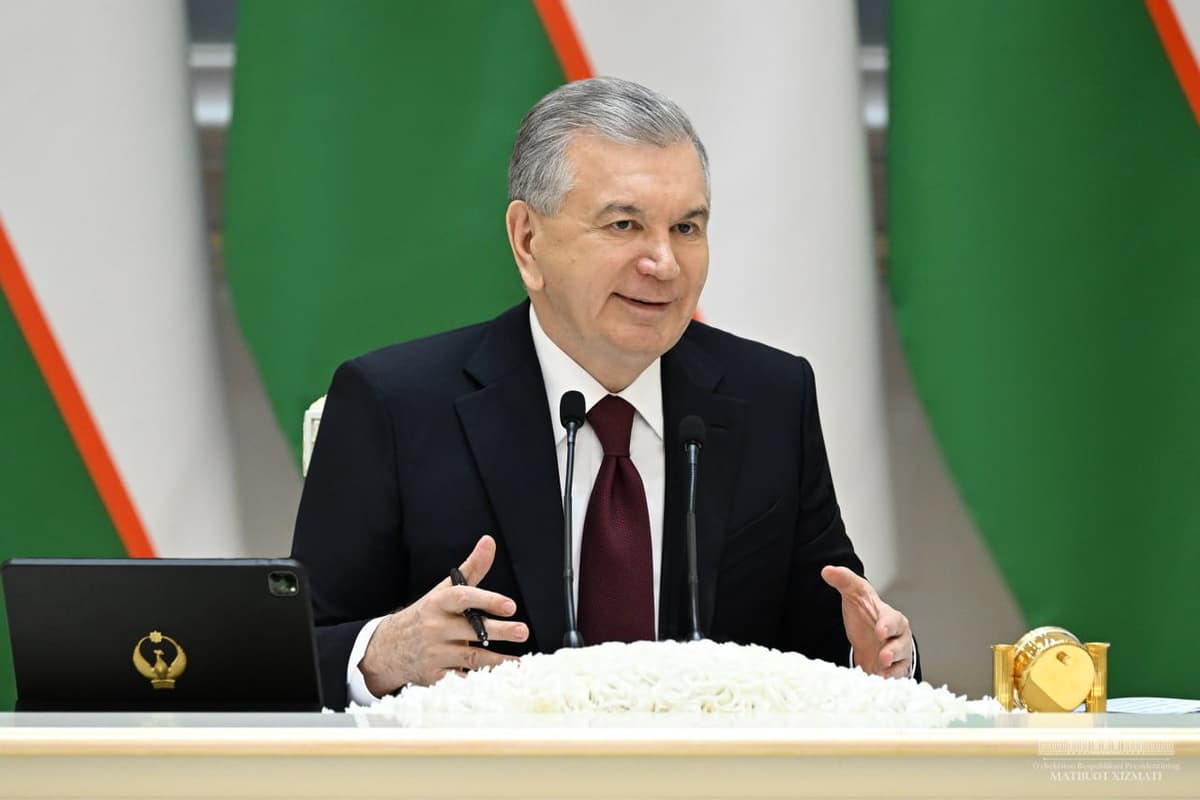
In his message, Mirziyoyev noted that Uzbekistan’s cotton industry had entered a new stage of development. He also highlighted the serious impact of climate change, water shortages and disruptions to logistics chains on food security.
High transport costs remain a major obstacle, particularly for landlocked developing countries. Uzbekistan therefore supports efforts to reduce restrictions on food trade and logistics and simplify delivery procedures, the message said.
“Along with climate change, water shortages and drought, disruptions in logistics chains are also driving up food prices. According to the UN Food and Agriculture Organization, more than 645 million people worldwide are suffering from hunger. International experts warn that without appropriate measures, this figure could reach 1 billion by 2028,” the message said.
The president also outlined a goal of doubling food production and tripling exports and value added by 2030.
To achieve this, Uzbekistan proposed developing a food cooperation program linking Central Asia, landlocked developing countries and transit partners, as well as expanding joint projects in food processing, storage and transportation.
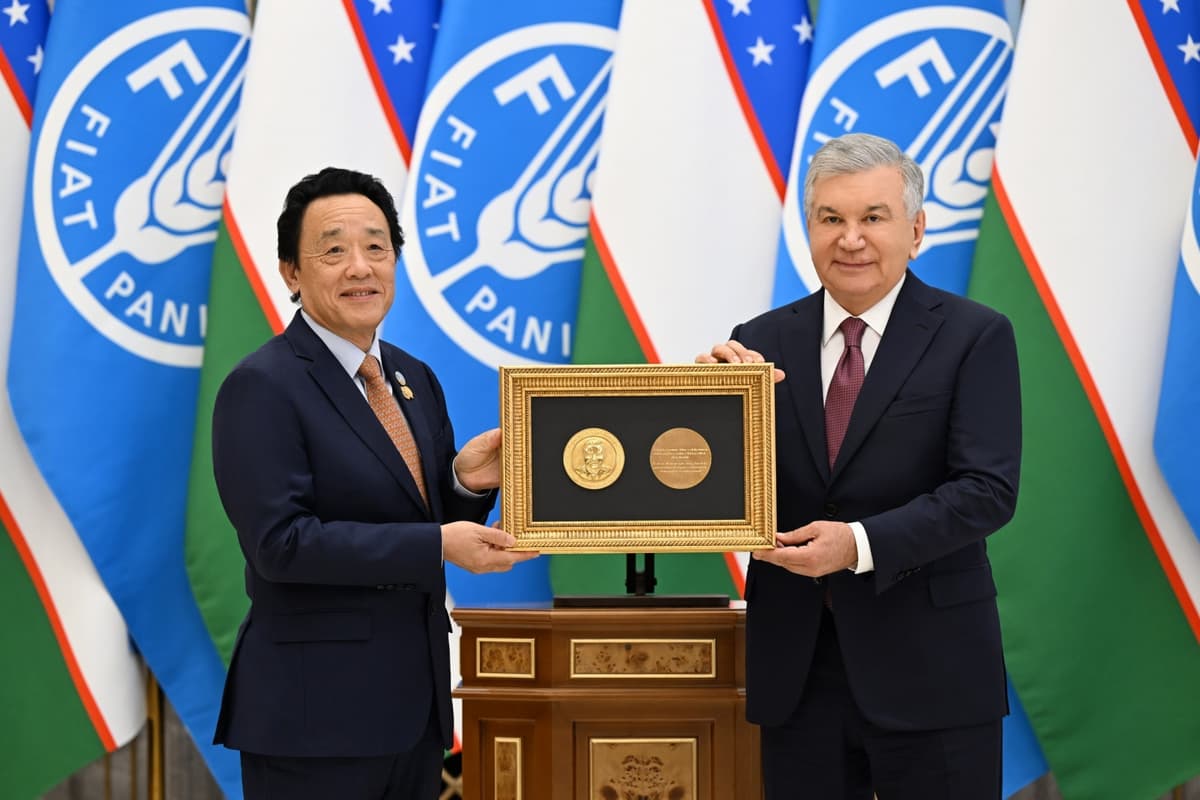
According to Asadov, FAO Director-General Qu Dongyu, International Cotton Advisory Committee Executive Director Eric B. Trachtenberg and WTO Deputy Director-General Jean-Marie Paugam, who spoke at the event, praised President Mirziyoyev’s reforms in Uzbekistan’s cotton sector.
They highlighted the elimination of forced labor and the country’s rapid shift from exporting raw cotton to deeper processing as major achievements and said Uzbekistan’s experience could serve as a model for other countries.