Kazakhstan’s government approved the new rules governing the entry and stay of foreign nationals in a decree dated October 10. The document was published on October 14 and is due to take effect on October 24, Tengrinews reported.
The rules apply to citizens of countries whose nationals can enter Kazakhstan without a visa, including members of the Eurasian Economic Union (EAEU) and countries with which Kazakhstan has visa-free travel agreements.
How the new system will work
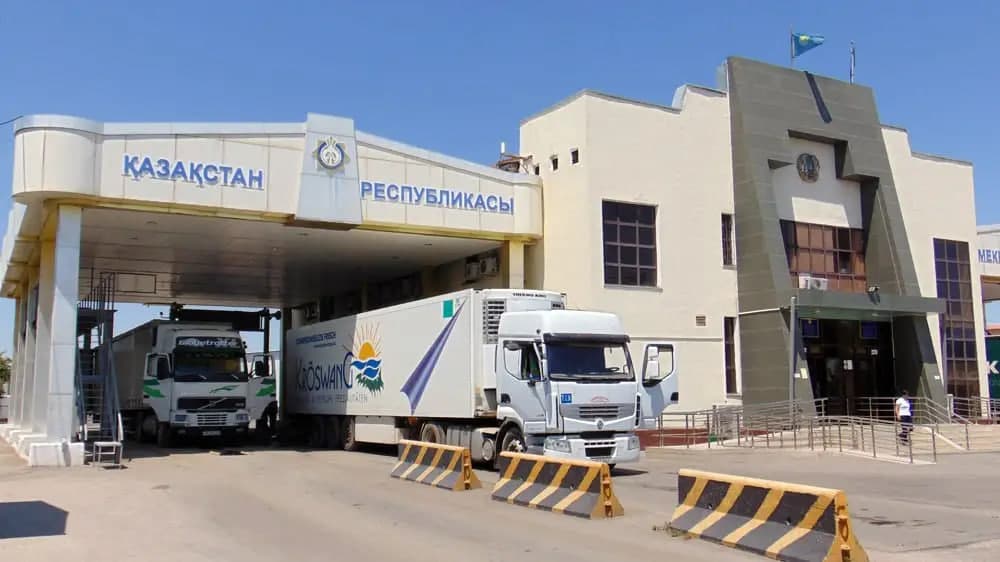
The rollout will take place in several stages. From November 1, 2026, QazETA checks will begin at Aktau International Airport and four land border checkpoints: Urlyutobe in Pavlodar region, Aukhatty in Zhambyl region, Atameken in Turkistan region and Nurly Zhol in Zhetisu region.
From January 1, 2027, checks will extend to the international airports of Astana and Almaty. From March 1, they will cover all other border crossing points.
During the initial stages, travelers who arrive without QazETA authorization will be informed of the requirement, but its absence will not be grounds for refusing entry. From July 1, 2027, however, travelers without valid authorization may be denied entry.
Applications must be submitted through the QazETA website at least 72 hours before the planned arrival. Applicants will also be required to complete digital identification or authentication.
The authorization will remain valid for 180 calendar days, but this does not mean travelers can stay in Kazakhstan for the entire period. The permitted length of stay will continue to depend on their citizenship and the applicable visa-free arrangements.
The authorization will be issued free of charge.
Who will be exempt?
The rules exempt several categories of travelers, including children under 16, people aged 65 and older, holders of valid Kazakh visas, and foreign nationals with temporary or permanent residence permits in Kazakhstan.
Other exemptions apply to diplomats, heads of foreign states and governments, members of official delegations, passengers remaining in airport transit zones, transport crew members, and drivers engaged in international freight and passenger transport, subject to the applicable conditions.