





Additional features
-
Night mode

President Mirziyoyev sets targets to triple e-commerce share of retail trade
President Shavkat Mirziyoyev reviewed ambitious proposals on April 9 aimed at scaling Uzbekistan’s e-commerce sector and pioneering a bonded warehouse system.
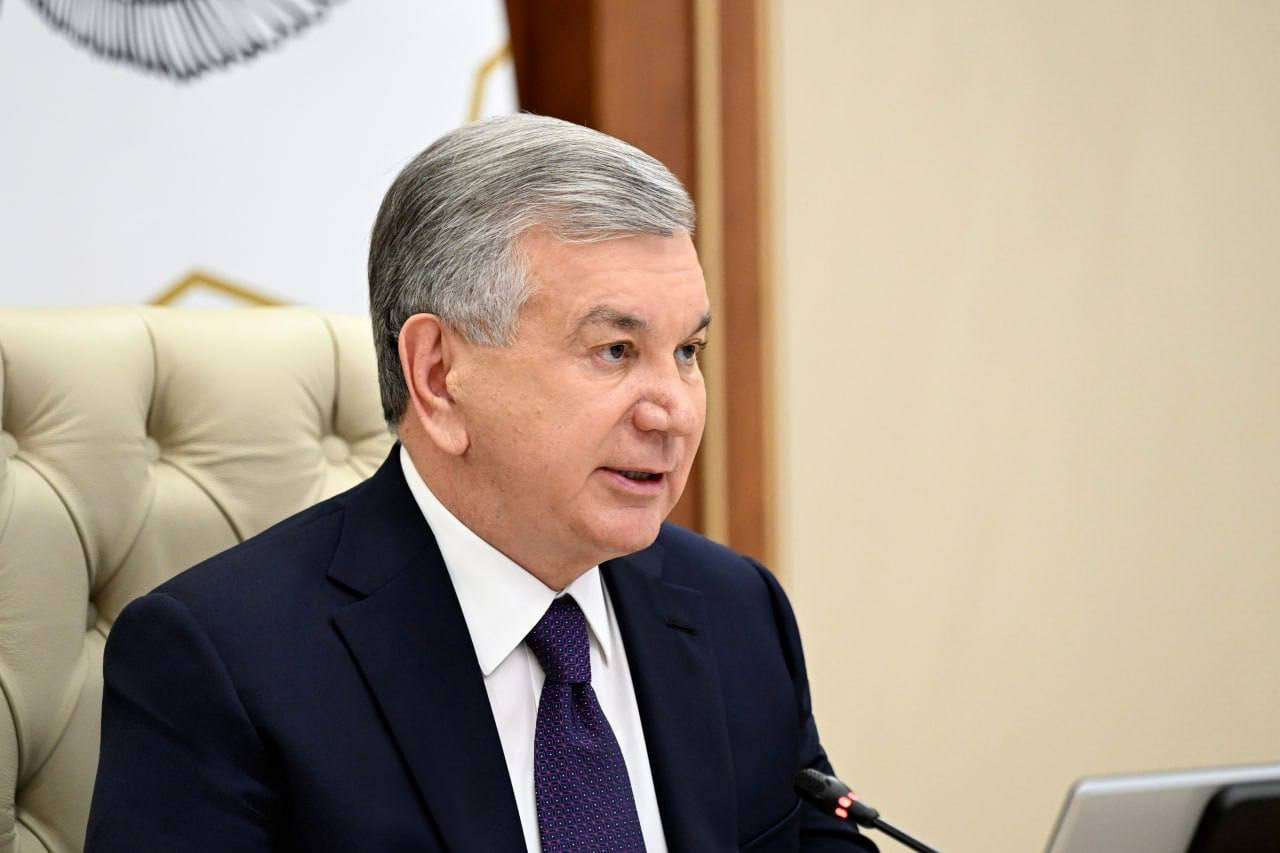
The presidential press service reports that while digital trade turnover has grown twentyfold over the past eight years to reach $1.3 billion, there remains significant untapped potential to align the country with global retail trends.
Currently, e-commerce accounts for only 4-4.6% of total retail trade in Uzbekistan, compared to a global average of 22%. To bridge this gap and raise the domestic share to 11%, authorities are prioritizing the development of bonded warehouses. These facilities allow imported goods to be stored under customs control with deferred duties, which are only paid at the point of ultimate sale to the consumer. Officials estimate that this model, already successful in countries such as the United Arab Emirates and Singapore, could attract at least $500 million in fresh investment.
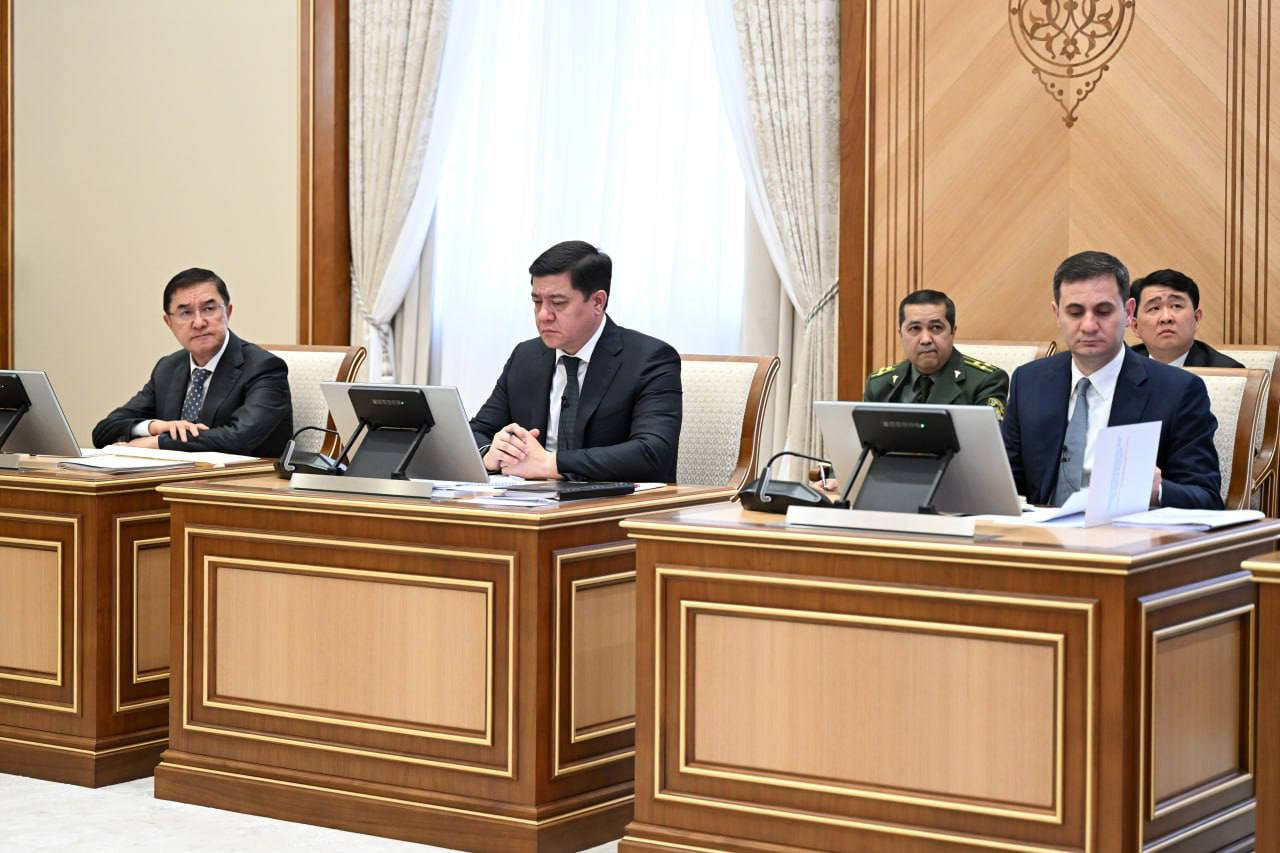
Infrastructure remains a critical bottleneck for this expansion. Of the 634,000 square meters of existing warehouse space in Uzbekistan, 72% is concentrated in the Tashkent region, and only 34% meets modern Class A standards. Analysts estimate that up to 2.5 million square meters of additional modern capacity will be required over the next five years to support projected growth. To address this, the government plans to expand the network of modern warehouses operated by major international marketplaces and improve the digital integration between retail platforms and tax systems.
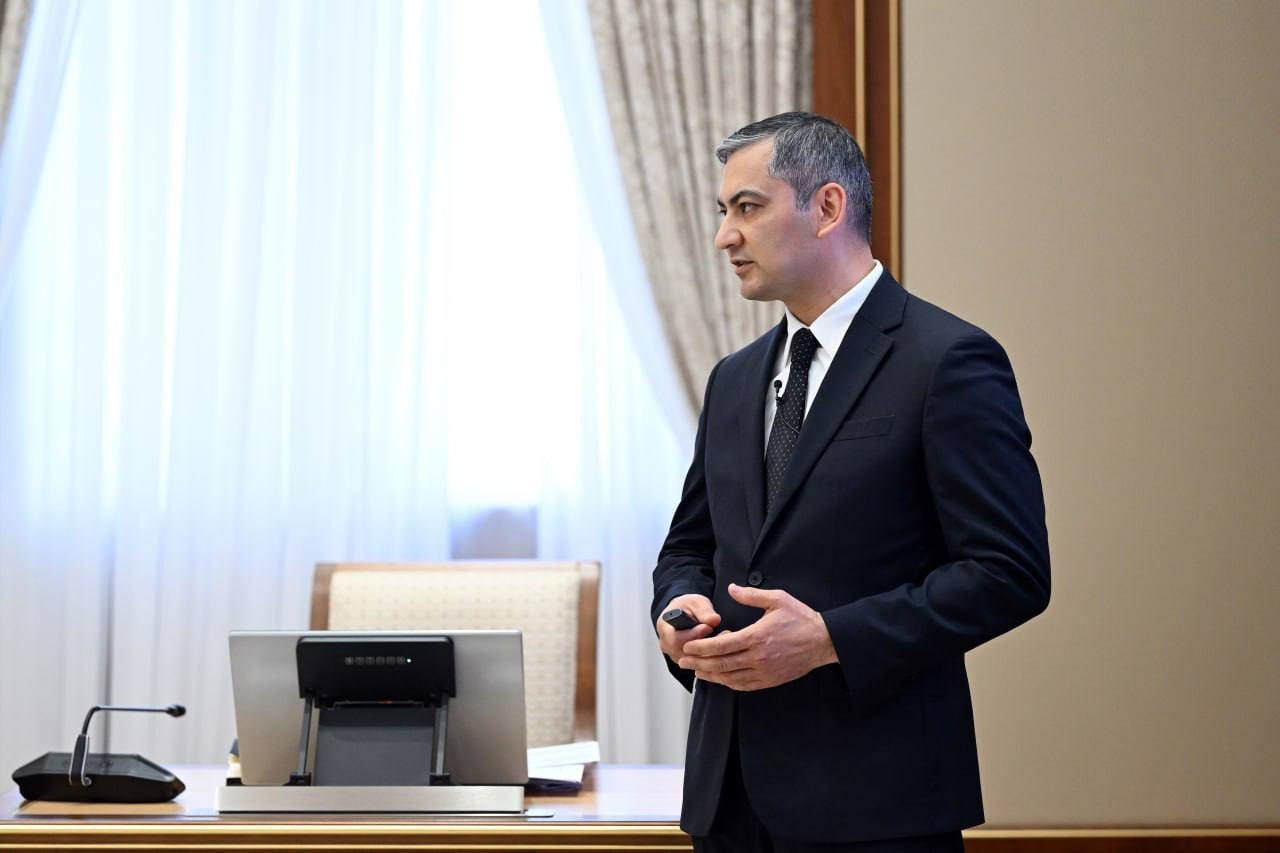
A pilot program scheduled for 2026-2028 will introduce a full-cycle mechanism managed by the Customs Committee under the Ministry of Economy and Finance. This system will track goods from import to bonded storage and through to the consumer, with all customs clearance handled at the point of sale. President Mirziyoyev instructed officials to position e-commerce as a primary economic driver, emphasizing that these reforms will reduce logistics costs for domestic producers, ease capital constraints, and boost overall export competitiveness.

Related News

14:24
Wildberries to expand e-commerce infrastructure and fintech services in Uzbekistan

20:50 / 05.06.2026
Modernizing Tashkent's drainage system requires a $400 million investment – Mayor Umrzakov
15:22 / 02.06.2026
China and Russia remain Uzbekistan’s top trading partners as FTT hits $26.3 billion in four months
14:47 / 30.05.2026