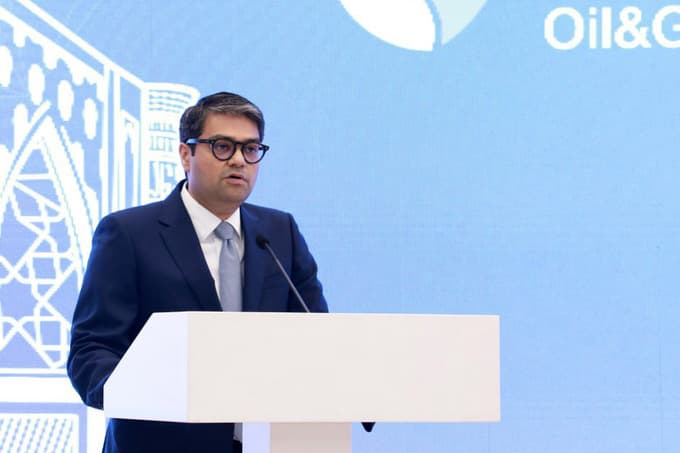
A program of liberalization of gas and electricity prices will be presented in Uzbekistan until September of this year, the First Deputy Minister of Energy Azim Akhmedkhodjayev reported.
According to him, it is planned to liberalize energy prices and introduce social consumption norms through this program.
“In order to increase the efficiency of energy-consuming enterprises, as well as to set long-term goals, we want to reduce energy costs and divide them into different tariffs, because currently one tariff for gas and electricity is set for each enterprise. That's why we want to separate them and approach each subject, each business and social layer in Uzbekistan separately,” Azim Ahmedkhodjayev said.
He noted that one of the main goals of the government is to eliminate obstacles to the efficient operation and growth of the electric power industry.
Azim Ahmedkhodjayev added that the Ministry of Energy, together with international financial institutions and other organizations, is developing a new regulatory framework for the entire industry, which will be the basis for future reforms.
“We are preparing the foundations for the transition to a competitive electricity market in Uzbekistan. We are currently working on a program, according to which we will attract foreign companies and foreign expertise in the field of electricity transmission to the regions. We want to attract well-managed companies that can demonstrate a new approach to electricity production and delivery to the final consumer,” he said.
For this purpose, an independent regulator will be established and it will regulate market-based tariffs and relations between energy producers and consumers. According to Akhmedkhodjayev, the Ministry is studying the experience of Azerbaijan in this regard, after it is tested, the regulator can work independently.
It should be recalled that gas and electricity tariffs were last increased in August 2019.
Last year, it was planned to increase basic tariffs for residents by 10% and switch to differentiated tariffs from July 1, but this did not happen. It is envisaged that tariff differentiation will force consumers to save, and will allow to reduce subsidies from the budget to the relatively wealthy and the most energy-consuming segment of the population.