How to take IELTS in Uzbekistan: Experience, costs, preparation, and why it matters
|22:48 / 31.10.202513,39825 min
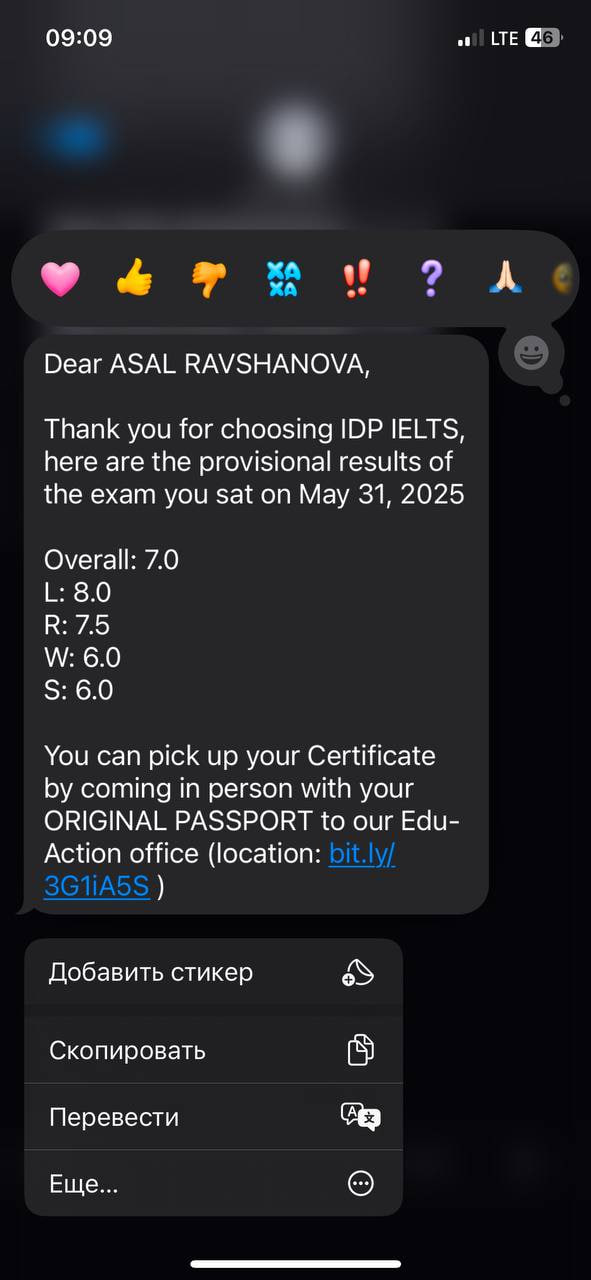
In May this year, I took the IELTS exam at the IDP center in Tashkent and scored 7.0. It was my first attempt, and it turned out to be more challenging than expected. During preparation, I realized that the exam is not just about English proficiency – it also requires planning, discipline, and financial investment.
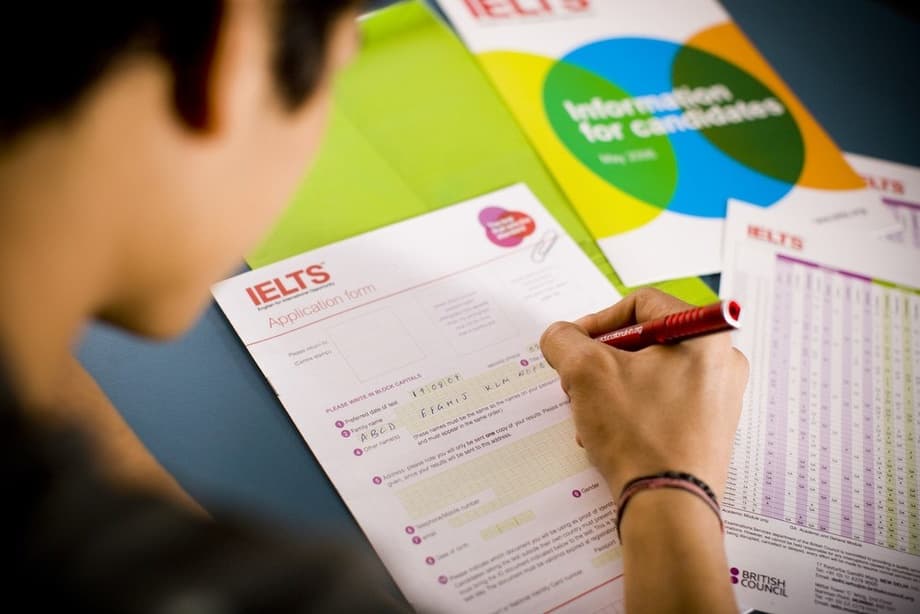
Photo: Getty ImagesPhoto: Getty Images
At the same time, more and more people in Uzbekistan are choosing to take IELTS for education, immigration, or career purposes. However, many still don’t know where to start, how to select a module, or what is needed to make the results truly useful.
In this article, I will explain why IELTS is important, where it can be taken, how much preparation costs, how the exam is structured, and how to prepare efficiently without wasting time or money.
The IELTS certificate is valid for two years. Its results are recognized in over 150 countries
Why IELTS is important
IELTS remains a key tool for admission to foreign universities. It is recognized in more than 150 countries, including the UK, Canada, South Korea, Malaysia, Hungary, Turkey, and the UAE.
Many Uzbeks take IELTS specifically for studying abroad – whether for undergraduate, graduate, or scholarship programs. For many students, IELTS is the gateway to international scholarship programs such as Chevening (UK), Erasmus+ (EU), Fulbright (USA), and MEXT (Japan). These programs cover tuition, living expenses, and airfare, and require a valid IELTS or other recognized international English exam.
The Academic module is designed for academic purposes: it evaluates skills needed for study, such as essay writing, text analysis, and lecture comprehension.
European and Asian universities generally accept students with scores starting from 6.0, while master’s and doctoral programs often require 6.5–7.0 or higher.
IELTS for study
Related topics
English proficiency and an IELTS certificate are increasingly valuable within Uzbekistan as well, offering opportunities for international programs and professional development.
Domestic uses of IELTS include:
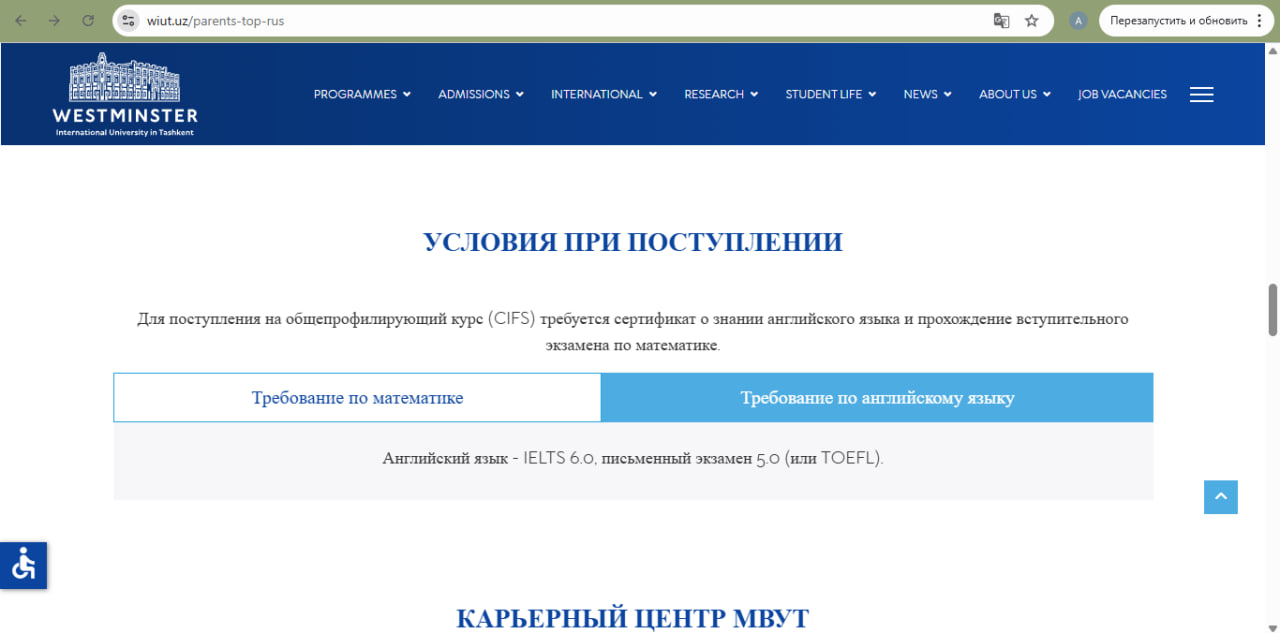
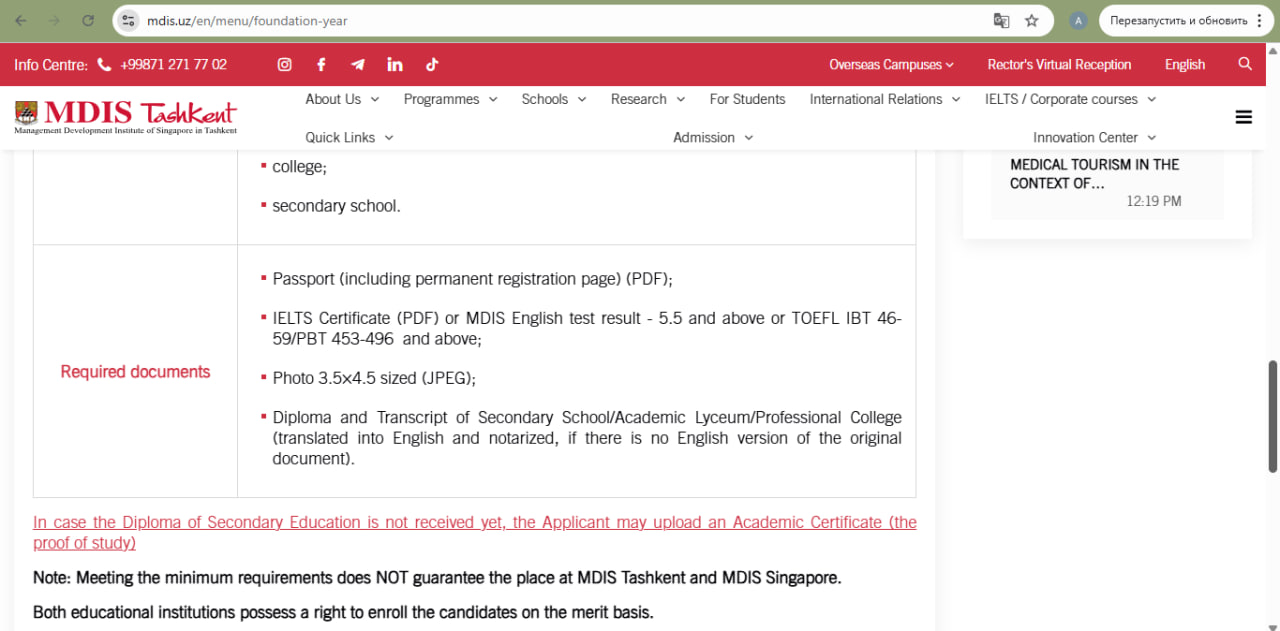
Admission to universities with international programs (WIUT, MDIS, TEAM, Amity, Akfa University).
Example: Admission to WIUT or Tashkent University of Management and Development requires a minimum score of 6.0, and 6.5 for graduate programs.
Participation in government grants and internships
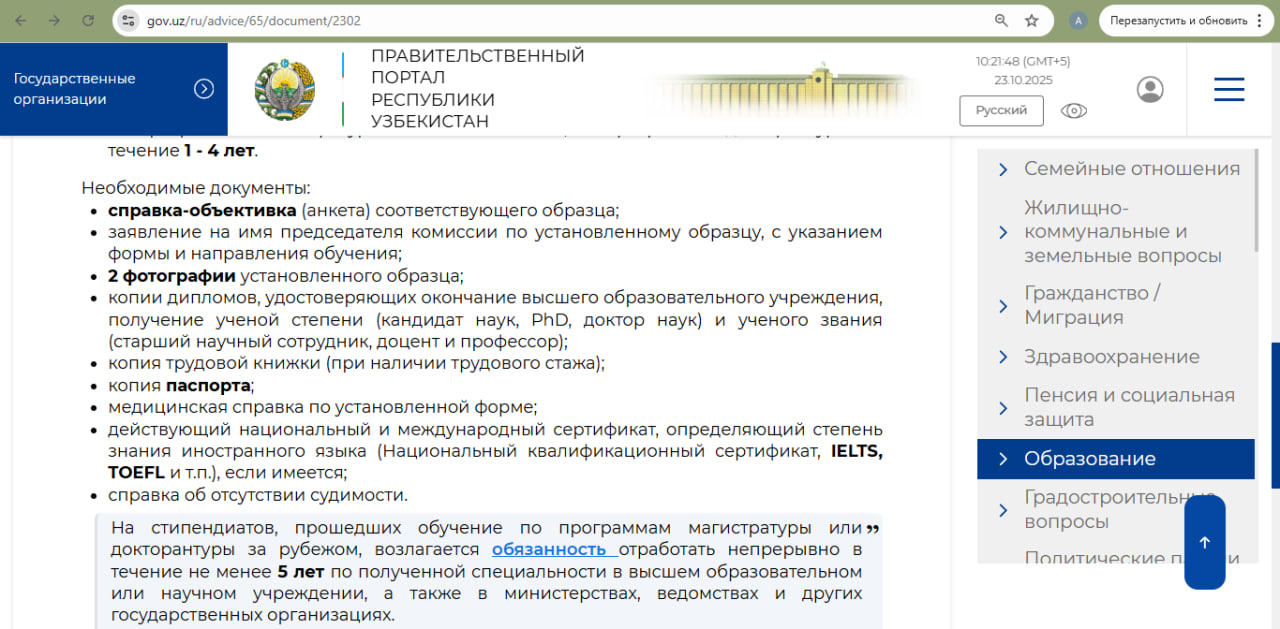
For the El-Yurt Umidi program, a valid IELTS or other international English certificate is required. Applicants with a state-recognized B2 level certificate (5.5–6.5) and above gain priority.
IELTS for work
IELTS is also needed for immigration. Countries like Canada, Australia, and New Zealand require the General Training module, which evaluates English proficiency in everyday and professional contexts.
For a Canadian work visa (Express Entry), a minimum overall score of 6.0 on the CLB scale is required, though specific requirements vary by province and occupation.
Increasingly, professionals in Uzbekistan view IELTS as a step toward international career opportunities. The certificate helps not only with immigration but also employment in foreign organizations and companies working with international partners.
Can you get a refund for IELTS?
The government supports English learning. In Uzbekistan, a reimbursement program covers IELTS exam costs for participants scoring 7.0 and above.
Approved reimbursements are transferred to the participant’s account via the Xazna app, a government platform for electronic payments. Processing typically takes 2–3 weeks, depending on system load and document completeness.
Note: Applications can be submitted once per latest certificate. Compensation does not cover retakes or partial results.
Where and how to take IELTS in Uzbekistan
IELTS can only be taken through official centers that follow international standards:
Candidates must choose between IELTS on computer or IELTS on paper. Both formats are assessed on the same scale and under identical conditions; only the delivery method differs.
IELTS on computer:
Conducted in official computer labs
Answers entered via keyboard, results available faster (3–5 days)
Speaking is always in person with an examiner
Preferred by fast typists and those who like digital interfaces
IELTS on paper:
Answers written by hand on answer sheets
Checking takes longer; results available in ~13 days
Often preferred by those used to paper-based work
Note: Currently in Uzbekistan, only IELTS on computer is available, but scoring criteria and structure are identical to the paper version.
Centers are located in Tashkent, Samarkand, Bukhara, Andijan, Fergana, and other cities.
Exam fees
According to the British Council:
Academic or General Training: 2,639,000 UZS
How to register and pay
Registration is online via IDP Uzbekistan or British Council Uzbekistan. Ensure you have your passport and a bank card (UZCARD, HUMO, or Visa/MasterCard) ready.
Steps:
Choose a module:
Academic – for university admission, studying abroad, academic purposes
General Training – for immigration, work, and professional programs
Choose exam format: Only IELTS on computer is currently available in Uzbekistan.
Select city and date: Popular dates fill quickly, especially weekends, so book 3–4 weeks in advance.
Payment: Online via bank card. Registration is incomplete without payment.
Confirmation: 1–2 days before the exam, reminders are sent via email and SMS. Bring your passport on exam day.
What to know before registering
Choose the exam format and date 1–2 months in advance.
IELTS is valid for 2 years; plan according to university or grant deadlines.
Arrive 30 minutes early on exam day with your passport.
Aim for at least three months of preparation.
Exam structure and preparation
IELTS consists of Listening, Reading, Writing, and Speaking. It tests not only English knowledge but also test-taking skills.
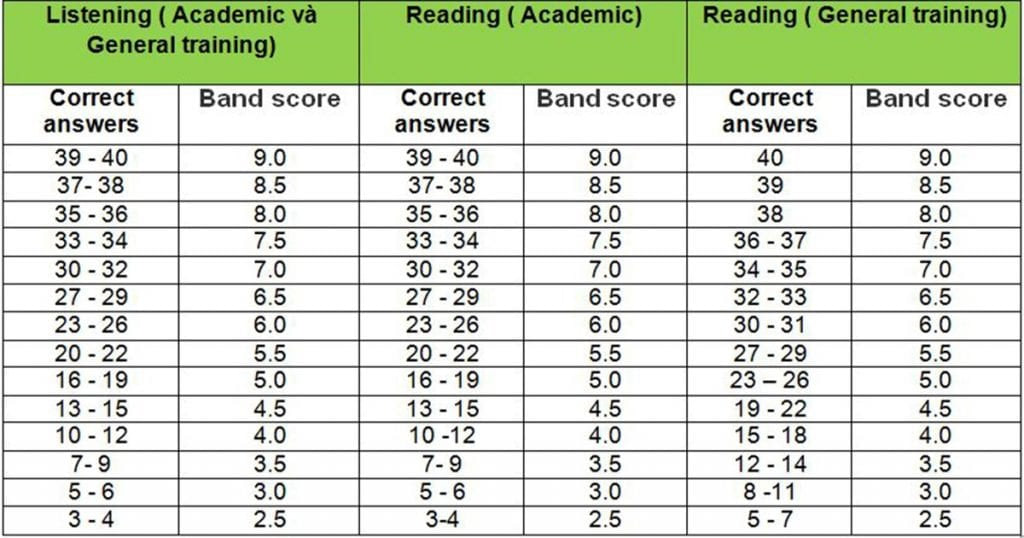
Scoring: Each section is graded on a 0–9 scale; the overall score is the average of four sections, rounded to the nearest 0.5.
Section details:
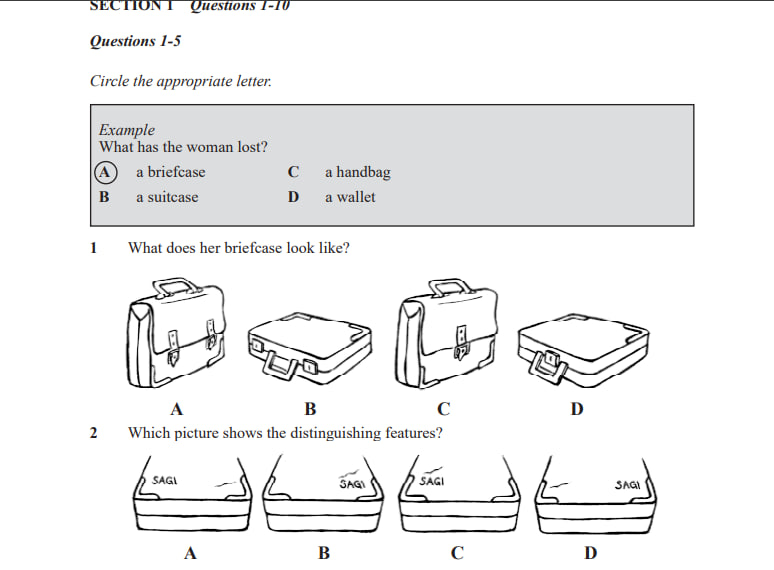
Listening: 40 questions, 30 min. Concentration is key as recordings are played only once.
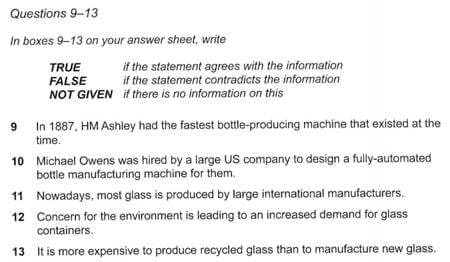
Reading: 3 texts, 40 questions, 60 min. Focus on scanning for keywords rather than translating every sentence.
Writing: 2 tasks, 60 min. Structure is essential: Introduction – Body – Conclusion. Grammar accuracy matters more than stylistic complexity.
Speaking: 10–15 min interview. Evaluated on fluency, logic, and grammar range rather than perfect pronunciation.
Listening
At first glance, the Listening section may seem simple, but in practice, it demands the highest level of concentration: you must listen to the recording and write your answers simultaneously, with no opportunity to replay it.
Tips:
Train your attention by listening to podcasts, such as BBC Learning English.
Practice with sample recordings available at ielts.org, where real examples can be downloaded.
Pay close attention to spelling: even if you understand the word correctly, a misspelling will make your answer incorrect.
From my experience:
I found it helpful to practice writing down names and numbers while watching English-language films. This exercise develops attention and the ability to quickly record heard information—a skill crucial for the Listening section.
On the exam, the recording is played only once, so it’s important not only to grasp the general meaning but also to catch specific details—numbers, addresses, surnames, and exact wording. There is no “second chance”: if you miss a detail, it cannot be corrected.
Regular practice trains your brain to process spoken English automatically. Short videos, podcasts, or news clips are ideal—listen actively with a pen in hand. You can write down key words, dates, and names, then check your accuracy against subtitles.
Reading
In Reading, the goal is not to understand every word but to locate information quickly. Tasks test not only comprehension but also the ability to work under time pressure, identify keywords, notice details, and match them with questions.
A common mistake is trying to translate every sentence. This wastes time and prevents you from seeing the overall structure of the text.
Tips:
Use the scanning method. Don’t try to understand every sentence; instead, look for keywords, dates, names, and terms that match the questions. This helps you find the required information quickly.
Manage your time. Allocate roughly 20 minutes per task. Don’t get stuck on difficult questions—skip them and return at the end. It’s better to answer all 40 questions, even if you are unsure about some.
Learn the task types. IELTS includes formats like True/False/Not Given, Matching Headings, Gap Fill, and others. Understanding the logic behind each helps plan where to search for answers and avoid confusion with similar phrasing.
Writing
For many, Writing is the most challenging section. It requires not only grammatical accuracy but also clear structuring of ideas to produce a logical and persuasive text.
Tips:
Master the essay structure. Learn the template in advance: Introduction – Body – Conclusion. In the introduction, state the topic and your position; in the body, provide two arguments with examples; in the conclusion, summarize briefly. A clear structure helps the examiner follow your logic.
Pay attention to grammar and phrasing. Errors in agreement, articles, or tenses lower your score. If unsure about complex constructions, simplify. IELTS evaluates clarity and accuracy, not stylistic flair.
Practice time management. Task 1 (describing a graph or letter) should take ~20 minutes; Task 2 (essay) ~40 minutes. Allocate time to review and correct small mistakes.
From my experience:
I wrote one essay every morning using a 40-minute timer. This helped me get used to time limits and develop automaticity: when seeing a topic, I immediately thought about structure and arguments.
Speaking
The Speaking test lasts 10–15 minutes and has three parts: short questions about yourself, a monologue based on a card, and a discussion on an abstract topic. The examiner evaluates fluency, logic, and grammar usage, not perfect pronunciation.
Tips:
Speak confidently but do not rush. The examiner does not grade speed—logical, uninterrupted answers matter more.
Pauses are not mistakes. A brief pause is better than filler words like “um” or “you know,” which can give the impression of uncertainty.
Use simple but precise expressions. Demonstrate vocabulary range without overcomplicating sentences; clarity is more important than complexity with errors.
From my experience:
In my Speaking test, I was asked about photographs: when I last took one, who took it, and why. I used the Past–Present–Future strategy: first describing the event, then my current feelings about photos, and finally why such moments matter to me. This approach helped me provide a logical answer, maintain coherence, and showcase different grammatical forms. It can be applied to nearly any topic, from “favorite place” to “a thing you cannot live without.”
How to prepare effectively
Preparing for IELTS involves more than just improving your English—it also requires developing a strategy. The exam assesses not only language knowledge but also your ability to complete tasks according to the test format. Therefore, it is essential to approach preparation systematically and create a structured study schedule.
Tips:
Start with a practice test. This helps determine your current level and identify which sections need more attention. Free practice tests are available on IELTS.org and the British Council website, and their format fully reflects the real exam.
Set a clear goal. The difference between a 6.5 for study purposes and a 7.0 for immigration may seem small, but in practice it often requires dozens of additional hours of practice. A clear goal helps you choose the right course, tutor, and pace.
Keep a preparation journal. Record which tasks are challenging and track your progress. Reviewing your notes helps identify recurring mistakes, accelerating improvement.
Use online resources. There are many free YouTube channels where former examiners explain the format and provide real examples. Recommended channels include IELTS Liz, E2 English, and AcademicEnglishHelp, all of which offer practical videos for each section.
Hire a tutor if your budget allows. A teacher can help you avoid common mistakes and refine your strategy, especially once your level is above Intermediate.
From my experience:
I began preparing about two months before the exam. During the first week, I studied for an hour per day, then increased it to three hours. After a month, I noticed that I was not only understanding words but also grasping the test format: how to move quickly between sections, where to find information, and how to manage time effectively.
Familiarizing yourself with the exam structure changes the way you perceive English—it becomes less of a lesson and more of a system where everything is governed by logic and attention to detail.
When do results come out and how to get your certificate?
After the exam, the most nerve-wracking wait begins: when will the results be released? The good news is that in Uzbekistan, the process of receiving the IELTS certificate is well-organized and predictable.
Processing times:
IELTS on computer – results are available 3–5 days after the exam.
IELTS on paper – results take 13 calendar days.
You can check your results on the official websites:
Sometimes websites update overnight, so results may be published throughout the day as they become available.
How to obtain a paper certificate
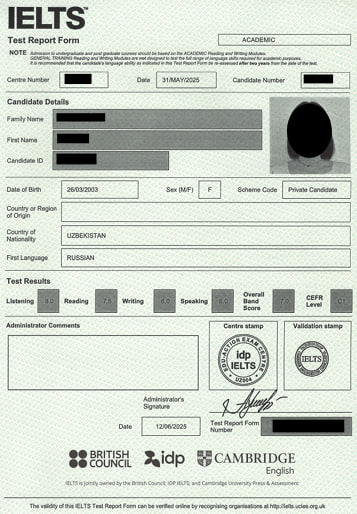
The IELTS paper certificate (Test Report Form, TRF) is issued at the same center where you took the exam:
IDP Uzbekistan – the certificate can be collected in person at the office.
British Council Uzbekistan – the certificate can be collected at the center or sent by post.
From my experience:
I took the IELTS on paper at IDP Uzbekistan. Thirteen days after the exam, I received notifications by email and SMS that my results were ready. The email included a link to the official website where I could check scores for all sections. My overall result was 7.0.
The paper certificate was issued at the IDP office the day after the results were published. To collect it, you must appear in person with your passport. The process took less than five minutes.
Certificate validity
The IELTS certificate is valid for two years from the date of the exam. After this period, it cannot be extended, and the test must be retaken.
What to do if you disagree with your result
Sometimes candidates believe their score has been underestimated, particularly in the Writing or Speaking sections. In such cases, you can request a re-mark through the Enquiry on Results (EOR) process.
How it works:
The application can be submitted online or in person at the exam center via IDP Uzbekistan or British Council.
An independent examiner, not affiliated with your test center, reviews the paper.
If the score changes, the paid fee is refunded.
The review process can take up to six weeks from the date of submission.
Tip:
Before submitting an appeal, realistically assess the likelihood of an error. If you are only concerned about one section and the difference is small – around 0.5 points – there is a chance for a score increase, but it cannot be guaranteed.
How much will it cost to prepare for and take the IELTS in Uzbekistan?
Once you choose the exam format and date, the main practical question is: how much will preparing for and taking the IELTS in Uzbekistan cost?
Exam registration
Cost: 2,639,000 UZS
Details: Applies to IELTS Academic or General tests at IDP or British Council Uzbekistan. This is the official price according to the test centers.
Preparation courses
Group courses: Typically last 3–4 months with three lessons per week. Cost ranges from 3,000,000 to 5,000,000 UZS, depending on the center and instructor.
Private tutoring: Individual lessons once or twice a week for 2–3 months can cost 6–8 million UZS for a full course. Hourly rates in Tashkent range from 150,000 to 250,000 UZS.
Online self-study courses: Platforms like Udemy or IELTS Online offer courses costing 500,000 to 1,000,000 UZS—a good option if you prepare independently without a tutor.
Materials and books: Cambridge IELTS 17–18, Grammar for IELTS, Vocabulary for IELTS – 200,000–300,000 UZS for print or digital versions available in Tashkent.
Practice tests (mock exams)
Available at IDP or language centers. Cost ranges from 200,000 to 400,000 UZS; some centers include mock tests in monthly tuition. These tests help assess readiness for the real exam.
Other expenses
Small but unavoidable costs like transport, meals, printing, coffee, and notebooks average 200,000–300,000 UZS per month.
Note: All costs are as of 2025 and may vary depending on the city and the training center.
Monthly course costs by city and center type
Intensive courses at top language centers: 1,700,000 UZS/month in Tashkent; 800,000–850,000 UZS/month in other regions.
Standard group courses at top centers: 1,000,000 UZS/month in Tashkent; 600,000–800,000 UZS/month in other regions.
Budget center courses: 855,000–960,000 UZS/month in Tashkent; 520,000–550,000 UZS/month in other regions.
Note: Regular English courses are generally cheaper than specialized IELTS preparation programs, as they focus on overall language skills rather than exam-specific strategies.
Estimated total costs
Private tutoring: 9–12 million UZS
Group courses: 6–8 million UZS
Self-study without a tutor: 3–4 million UZS
Costs vary depending on the teacher’s level, number of lessons, and location. It’s recommended to compare offers and confirm prices directly with language centers. Minimum expenses for self-study and the exam start at around 3 million UZS, while a full program with a private tutor can reach 12 million UZS.
Important: Even the most expensive courses do not guarantee a high score. Success depends on regular practice, personal motivation, and the time you dedicate to preparation. A tutor can guide you, but the main effort must come from you.
If your score is lower than expected, you can always retake the exam. Each attempt helps you better understand the format and improve your score.
Key points to remember
IELTS can be taken at IDP or British Council Uzbekistan.
The certificate is valid for two years.
Exam formats: Academic – for study, General – for work and immigration.
Scores of 7.0 and above allow for potential reimbursement through my.gov.uz.
Result processing times: on computer – 3–5 days, on paper – 13 days.
Certificates are issued at the center or sent by post.
Preparation is about strategy: focus on solving tasks in the exam format, not memorization.
Do not hesitate to retake the exam – progress is often visible by the second attempt.