





Additional features
-
Night mode

Perceived inflation in Uzbekistan drops to lowest level in years
In Tashkent, inflation perceptions in November declined to 11.5%, below the national average.
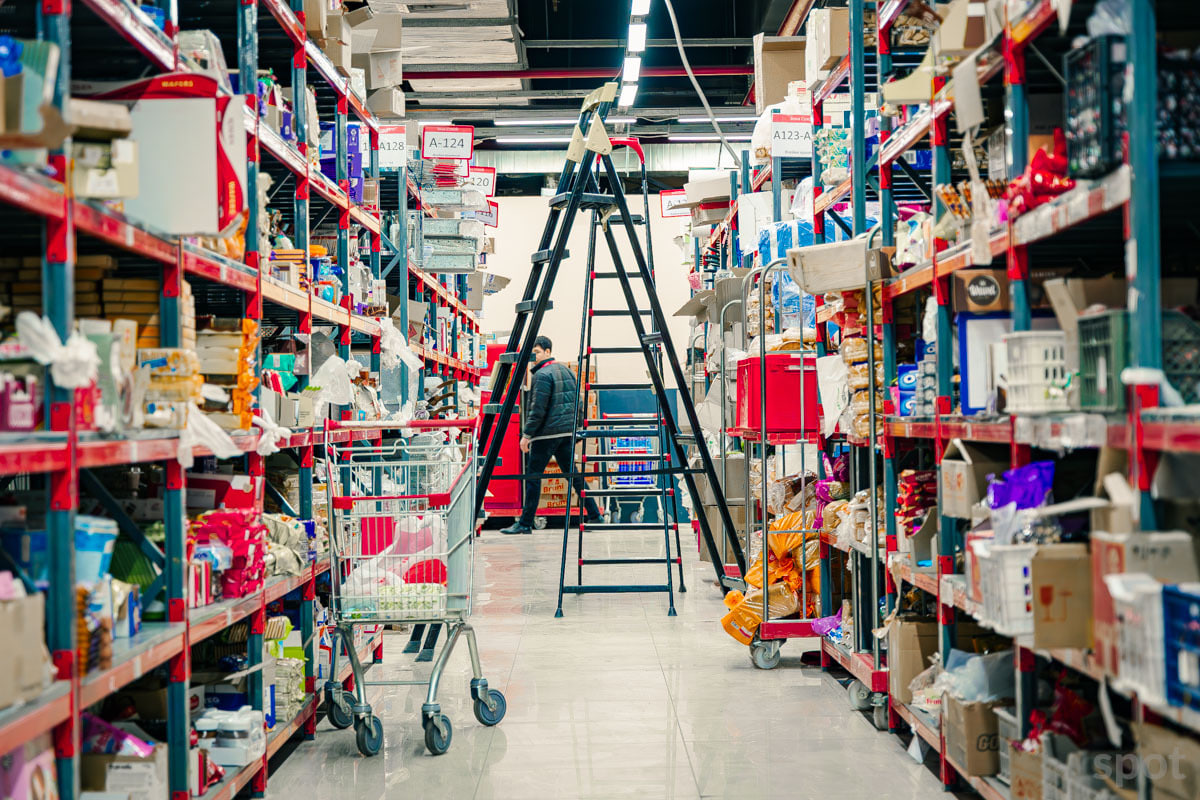
Perceived inflation in Uzbekistan continues to decline, according to the results of a Central Bank survey.
In November, the average assessment of price growth stood at 11.8% – 0.6 percentage points lower than in the previous two months. The median figure fell by 0.3 percentage points to 10.2%.
Andijan region recorded the highest perceived inflation at 13.2%, followed by Tashkent region (12.8%) and Jizzakh region (12.3%). Perceptions in the capital were below the national average at 11.5%. The lowest levels were observed in Khorezm (10.7%), Karakalpakstan (11%), and Syrdarya region (11.3%).
Among professional groups, the highest inflation perceptions came from workers in household services (12.9%), public-sector employees (12.8%), and pensioners (12.6%). The lowest figures were reported in food services (10.2%), and in the agriculture and transport sectors (10.5%).
Survey participants with monthly incomes of UZS 30 million or more reported the sharpest price increases – 21.4%, followed by respondents earning UZS 10–15 million (14.1%) and those earning UZS 20–30 million (14%). By contrast, respondents with incomes below UZS 4 million perceived inflation at below 11%.
Meat and dairy products remained at the top of the list of goods for which respondents most frequently noticed price increases, at 49%. Electricity and gas, fuel, and pharmaceuticals shared second place with 27% each.
Compared with October, respondents more frequently cited rising prices for fruits and vegetables (23% vs. 22%) and for clothing and footwear (19% vs. 17%). Meanwhile, the share noting higher prices for eggs fell from 18% to 14%, for cooking oil from 19% to 18%, and for construction materials from 17% to 14%.
Rice saw the lowest share of respondents reporting price increases – just 6%. Price hikes for sugar were mentioned by 7%, for household services by 8%, and for education services, repairs, and bread by 9%.

Related News

19:41 / 13.07.2026
IMF advises caution as Uzbekistan prepares pension system reform
12:28 / 13.07.2026
Central Bank: Strong housing demand pushes up prices across Uzbekistan
12:28 / 10.07.2026
World Bank: Uzbekistan could attract up to $6.4 billion in private investment through sector reforms
12:19 / 10.07.2026