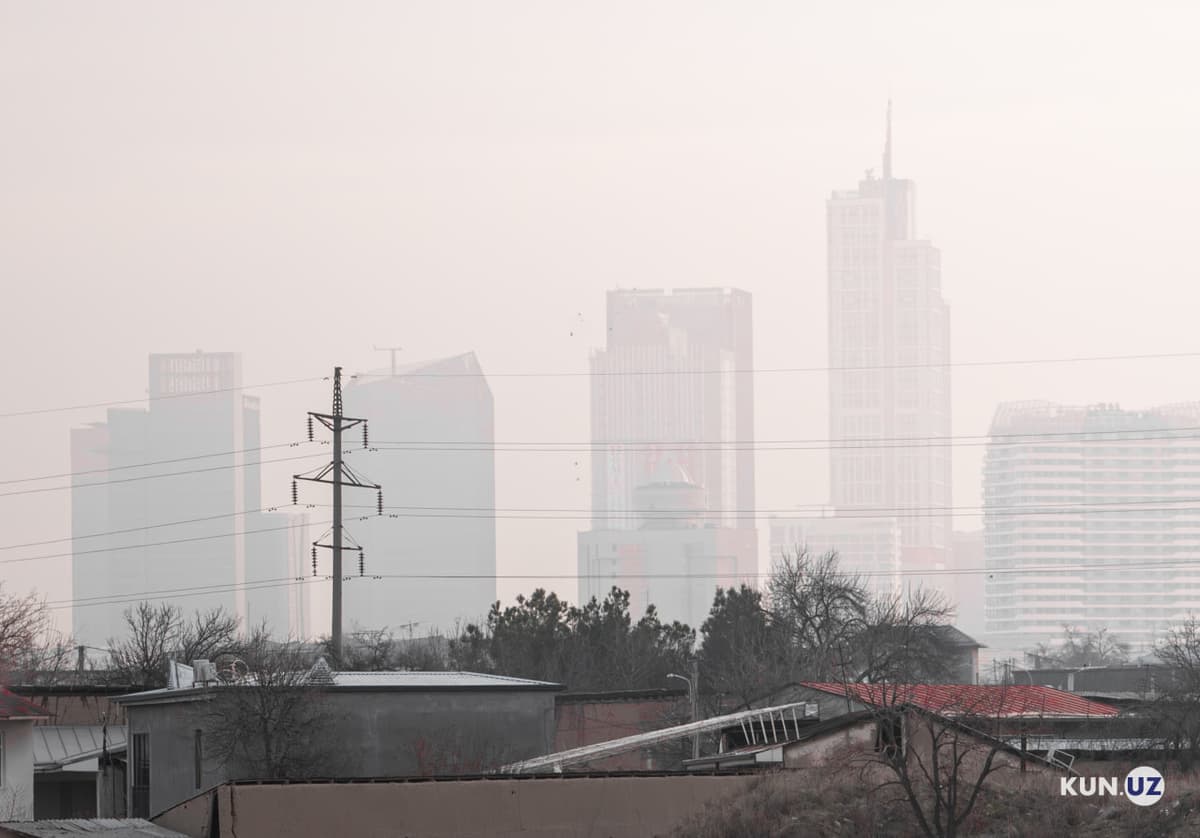
According to forecasts, the anticyclone will advance in stages, reducing natural air exchange. As a result, concentrations of pollutants, including fine particles such as PM2.5 and PM10, may accumulate in the atmosphere, potentially pushing air pollution indicators higher. These conditions are expected to persist for up to three days.
As the anticyclone strengthens, colder weather will spread across most regions of the country. By January 16–17, daytime temperatures are forecast to fall nationwide, while nighttime and early-morning cold is likely to become more pronounced.
At the same time, short-term precipitation is possible in some areas, falling as rain or snow. Precipitation and occasional winds may help remove accumulated fine particles from the air, leading to brief, localized improvements in air quality despite the generally unfavorable dispersion conditions.