





Additional features
-
Night mode

Uzbekistan’s international reserves hit record $75bn
Uzbekistan’s international reserves reached a new historical high at the end of January, driven primarily by a sharp rise in global gold prices, according to data released by the Central Bank of Uzbekistan.
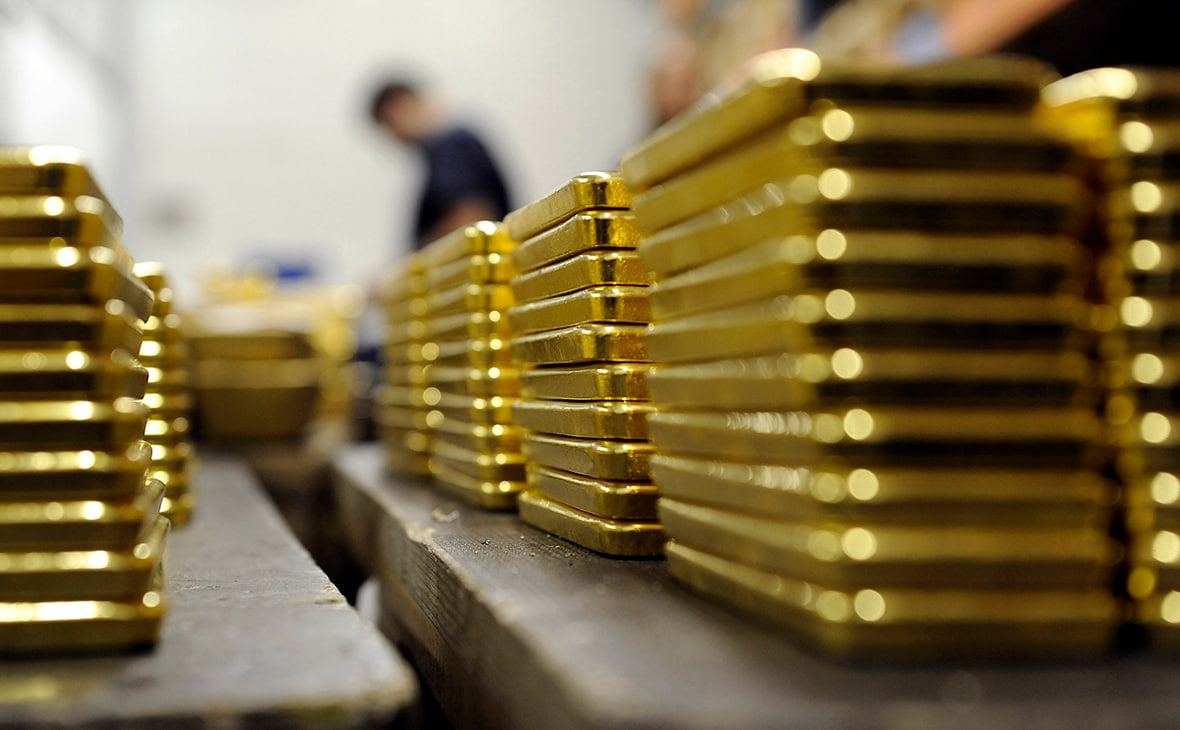
As of 1 February 2026, the country’s gold and foreign exchange reserves stood at $75.08 billion – the highest level since records began in 2013. Over the course of January alone, reserves increased by $8.77 billion, or 13.2%. Since the beginning of 2025, total reserves have surged by $33.9 billion, representing an 82.3% increase.
The main contributor to the latest growth was gold, which continued to appreciate on international markets in January. The Central Bank estimates that the rise in gold prices from $4,389.45 to $5,063.45 per troy ounce in January, an increase of 15.4%, added approximately $8.6 billion to the country’s reserves. For comparison, gold price gains contributed $2.5 billion in October, $1.8 billion in November, and $2.9 billion in December.
The physical volume of gold holdings has also been expanding for a fourth consecutive month. In January, reserves grew by 280,000 troy ounces, or 8.7 tons, reaching 12.83 million ounces (399 tons). This marks the highest physical gold volume on record, surpassing the previous peak of 12.82 million ounces recorded in December 2022.
On the back of higher prices, the total value of Uzbekistan’s gold reserves increased by $9.88 billion to an all-time high of $64.98 billion. Gold now accounts for approximately 86.5% of the country’s total international reserves.
At the same time, the foreign currency component of reserves declined by $1.12 billion to $9.52 billion. Holdings of securities edged up slightly, rising by $4.8 million to $1.53 billion.
By international standards, Uzbekistan’s reserve position is assessed as exceptionally strong. Current reserves are sufficient to cover around 19 months of imports, well above the three-month minimum recommended by the International Monetary Fund.
The Central Bank has previously noted that the high share of gold reflects a conservative reserve management strategy. However, the regulator has also begun diversifying the reserve portfolio in response to risks associated with price volatility.
International reserves remain a key pillar of Uzbekistan’s macroeconomic stability. They provide a buffer against external shocks, help smooth sharp exchange-rate fluctuations, ensure the country’s ability to meet external obligations, and secure import financing during periods of economic stress – from commodity price downturns to turbulence in global financial markets.

Related News
14:12 / 03.07.2026
Central Bank develops Taqsim platform to end mandatory payroll bank assignments

14:07 / 03.07.2026
Uzbekistan targets $150 million in footwear exports by end of 2027

11:48 / 03.07.2026
Uzbekistan’s overseas investment surges 33-fold after regulatory easing
11:30 / 03.07.2026